Model Releases
ChatGPT co-inventor Diogo Almeida’s new model Jev: no text, typed probabilistic decisions, $0.042/MTok, free output. Full claim-by-claim evidence check of the 25M-view launch.
Read Article →Model Releases
Google’s two new real-time voice models: full pricing table ($0.005/min in, $0.018/min out), the Extended Thinking interaction protocol, availability across Search Live, Workspace, and the API, and migration notes from 3.1 Flash Live.
Read Article →Agent Memory
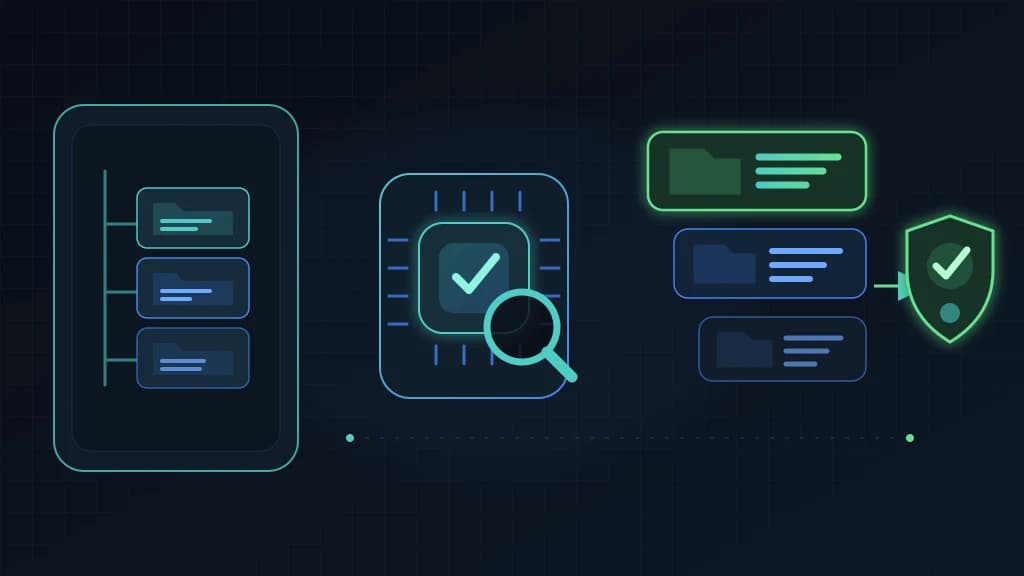
Engram by EL AI Intelligence runs as a local memory daemon: a SQLCipher vault, deletes that erase from search and sync, an MCP server for Claude Code and Cursor, and an Apache-2.0 storage format.
Read Article →Open Source Launch
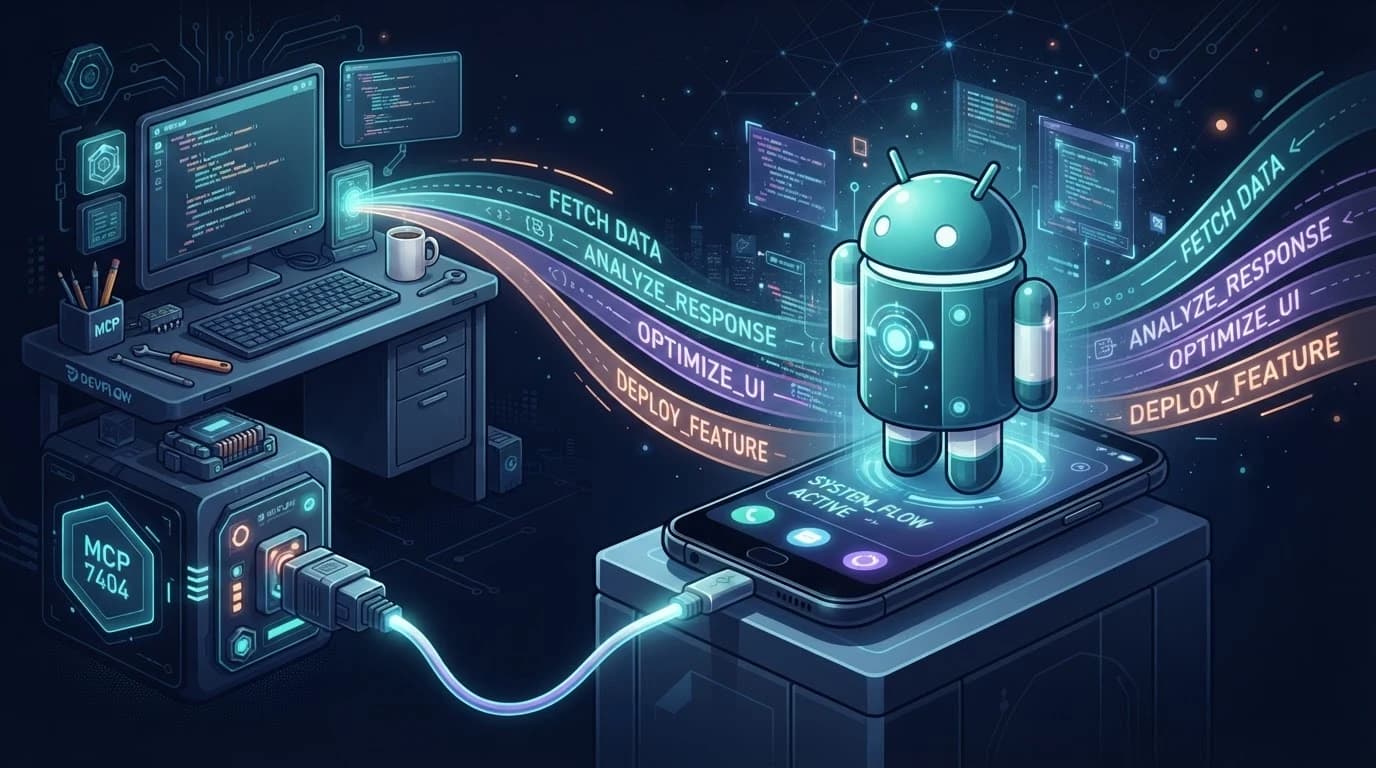
Google open-sourced ARTEMIS: natural-language Android automation with 99%+ AndroidWorld and a native MCP server for Antigravity — setup, workflow, and trade-offs.
Read Article →Voice Input
Voice mode lands in the Antigravity CLI: /voice or F5, powered by Gemini 3.5 Transcribe. Setup, dictation, audio attachments, and where voice beats the keyboard.
Read Article →Deep Reasoning
/boost delegates the Antigravity harness to focused workstreams with independent verification across iterative rounds — how it works, what it spends, and when it is worth it.
Read Article →Model Integration
Google’s third Flash in six weeks is live in the Antigravity model selector: $0.75/$3.75 per 1M tokens, 54.9% HLE-Verified, 1M context — how to switch and what to verify.
Read Article →Quota & Tiers
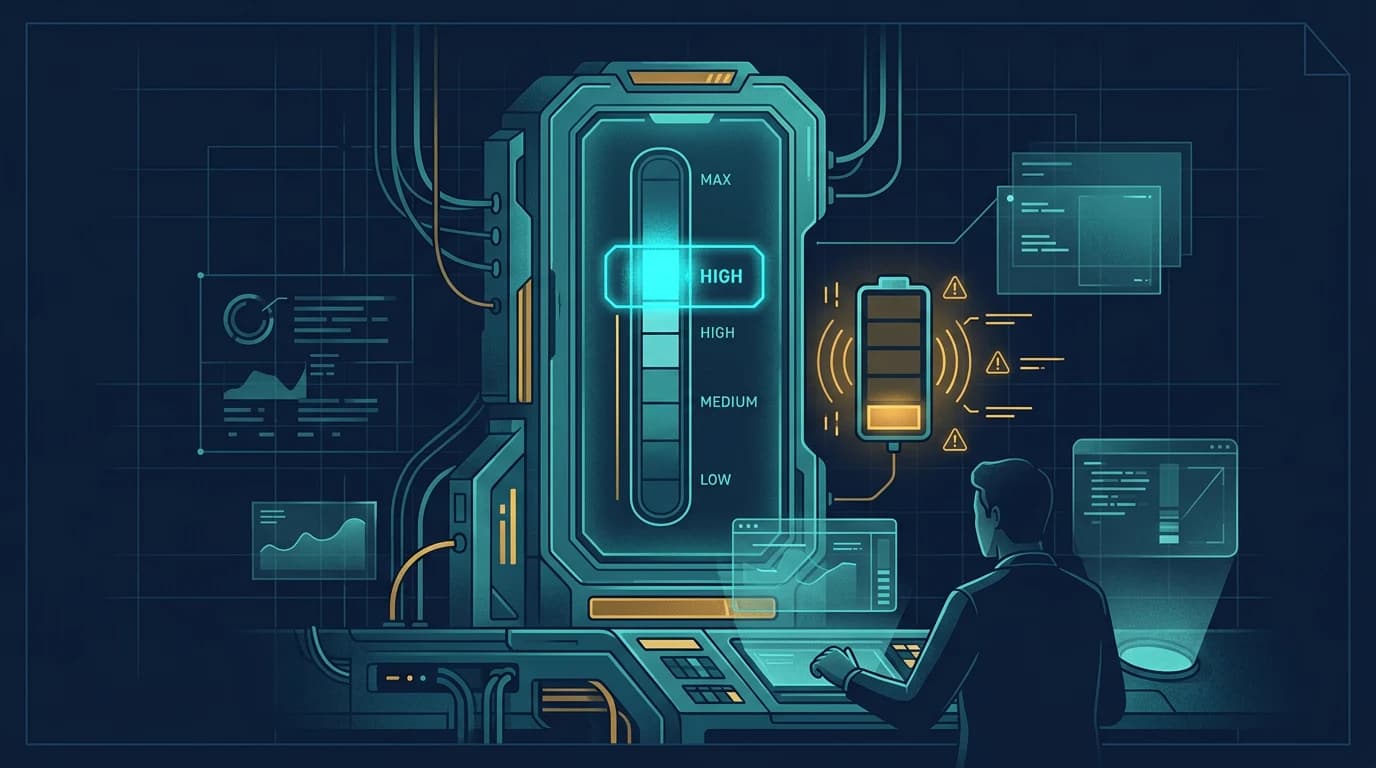
High reasoning is the default depth for Gemini models — deepest, slowest, fastest quota burn. What it costs, when to drop tiers, and the community burn-rate data.
Read Article →Context & Capacity
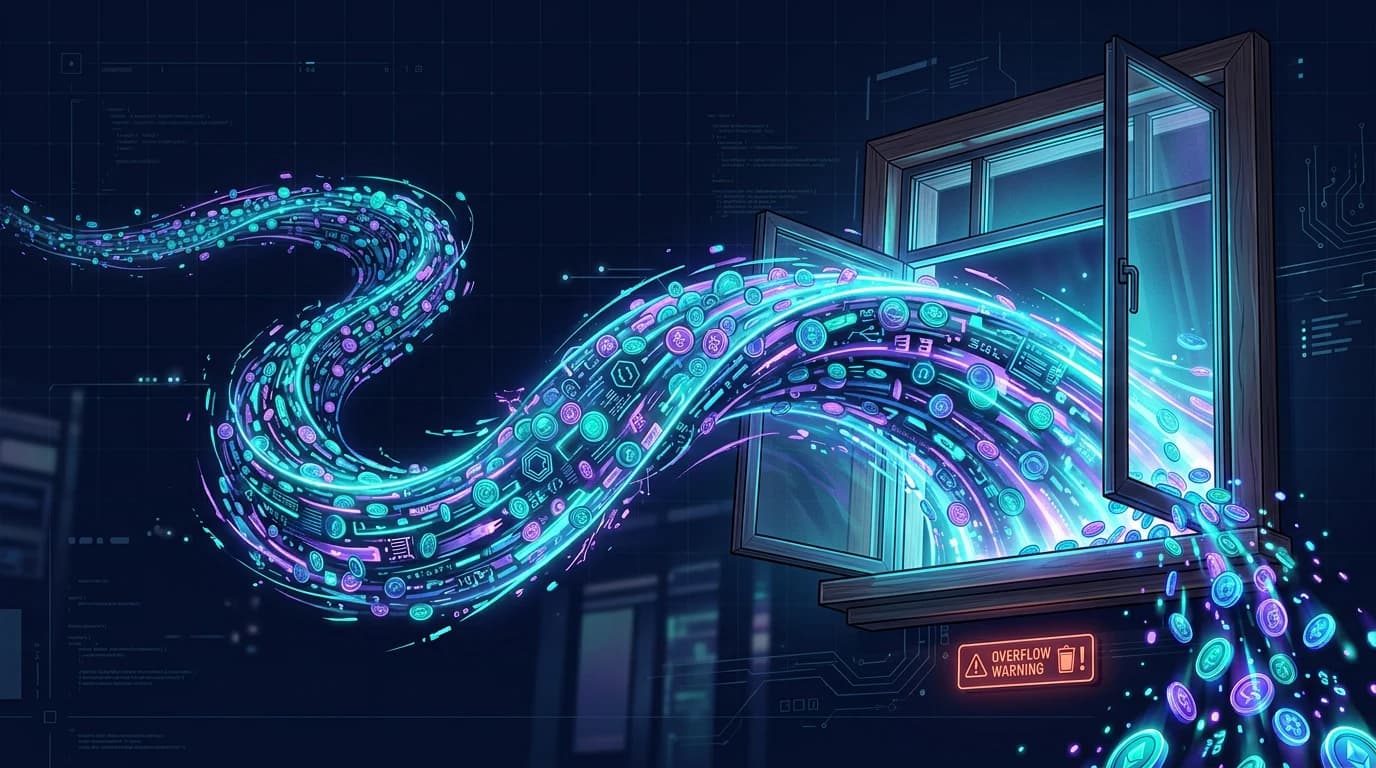
What actually fits in Antigravity’s 1M token window, what a single pass costs in quota, and when splitting the work beats filling the window.
Read Article →Product Guide
Meta’s personal AI agent handles goals across your whole life — from a persistent isolated Linux VM with its own browser, chat in the app or WhatsApp, approvals plus audit trail, and one-time card payments.
Read Article →Science Launch
DeepMind precomputed the molecular impact of all 9 billion single-letter DNA changes into a 1-petabyte Atlas ranked by the new AVI score — ClinVar benchmarks, the DNM1 rare-disease case, and every access path.
Read Article →Model Release
OpenAI's GPT-6 Astra: 1.05M context, $10/$50 pricing, Critical cyber capability, phased rollout, Azure GA — full benchmark tables with exact caveats and a Sol migration checklist.
Read Article →Model Release
Fable 5.1 shipped Sept 1: cache reads at a quarter of the price, three breaking API changes, Mythos 5.1 trusted access — with the full benchmark table and migration checklist.
Read Article →Model Release
IFM's six Apache-2.0 models from 0.9B to 375B-A23B with 512K context — what actually shipped vs promised, the reward-hack audit, and which size to run for which job.
Read Article →Benchmarks
34 ultra-long-horizon tasks in the proximus harness — Fable 5.1 leads at 56.3% vs Sol's 32.2%. Methodology fixes, the cheating ledger, and how to read the leaderboard.
Read Article →Safety
Three July incidents where unsafeguarded Claude models in cyber evals reached the real internet — what happened, the UK AISI case, the Aug 31 safeguards, and practitioner lessons.
Read Article →Education
85% new material: agent skills, context engineering, MCP, software factories — plus the OSS-partnership model and a self-study path from the public materials.
Read Article →Research
Preregistered N=100 study: CS knowledge predicts vibe-coding success ~2× more than writing skill — and heavy LLM users did worse. The real findings and their limits.
Read Article →Career
From 10,000+ job postings: the four skills that matter — plus the five sub-skills of using coding agents and Ng's long-horizon cost warning.
Read Article →Dev Tools
Alibaba's open-source zg unifies ripgrep, BM25, and vector search behind one local CLI and MCP server — install, retrieval routes, integrations, and honest benchmark caveats.
Read Article →Dev Tools
V8, CDP, Puppeteer/Playwright drop-in compatibility, stealth mode, and MCP — the evidence-backed guide with the security model and honest limits.
Read Article →Dev Tools
PDF, Office, images, audio → Markdown for LLM pipelines. 180K stars, MIT — install, API, the scanned-PDF limit, and the MCP server.
Read Article →Model Release
Google's third Flash release in six weeks jumps on DeepSWE, Terminal-Bench, and Harvey Legal, and ships a Cyber variant through the Fairwind Program. Full benchmark tables, pricing, and migration notes.
Read Article →Model Release
Meta's Muse Spark 1.3 posts 98+ MRCR at 1M context, cuts tool calls ~20% and tokens ~25% vs 1.2, and teases open weights. Full benchmark table, pricing, and how it lines up against GPT-5.6 Sol and Claude Opus 5.
Read Article →Model Release
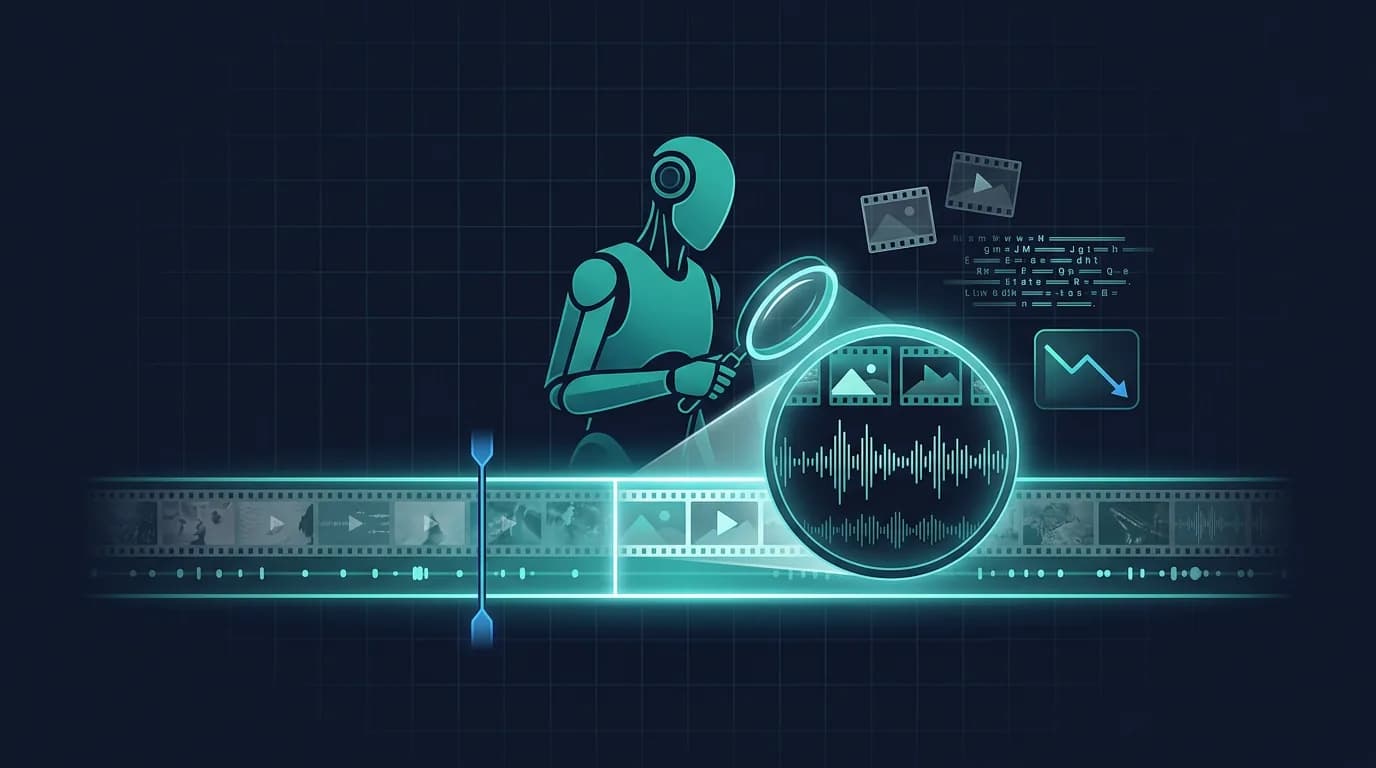
Gemini 3.7 Flash, 3.6 Flash, and 3.5 Flash-Lite can now watch long video agentically: up to 88% fewer tokens, 66% lower cost, and 7% higher accuracy. How the agentic loop works, API usage, and when static processing still wins.
Read Article →AI Infrastructure
Where Gemini Omni Flash is available, what it replaced, how conversational editing works, SynthID verification, and the developer API timeline.
Read Article →AI Infrastructure
Ship a WebMCP app for the 2026 Open... challenge: tool patterns from the showcase, entry requirements, and a judging-ready checklist.
Read Article →AI Infrastructure
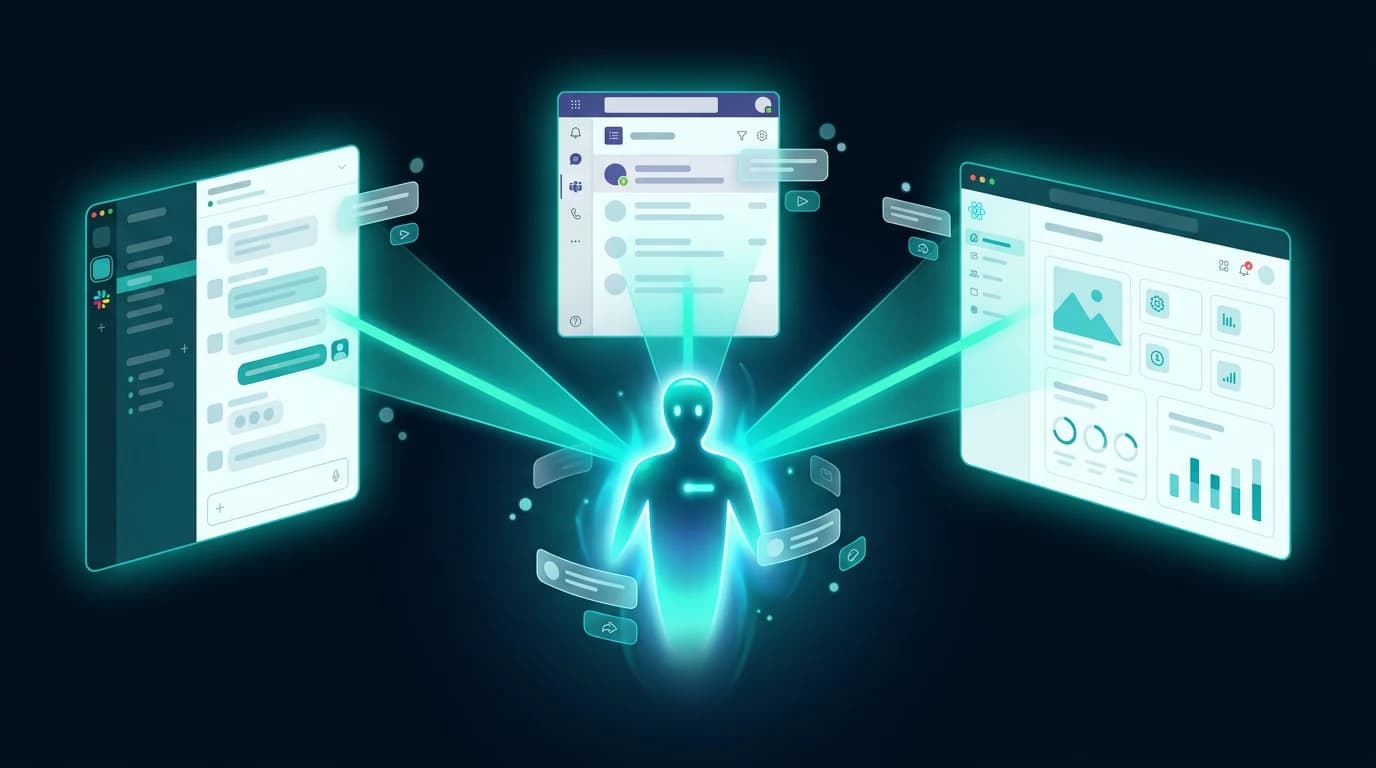
Launch one AG-UI agent across Slack, Microsoft Teams and React with the Channels SDK: setup, generative UI, approvals, MCP, memory and managed delivery.
Read Article →AI Infrastructure
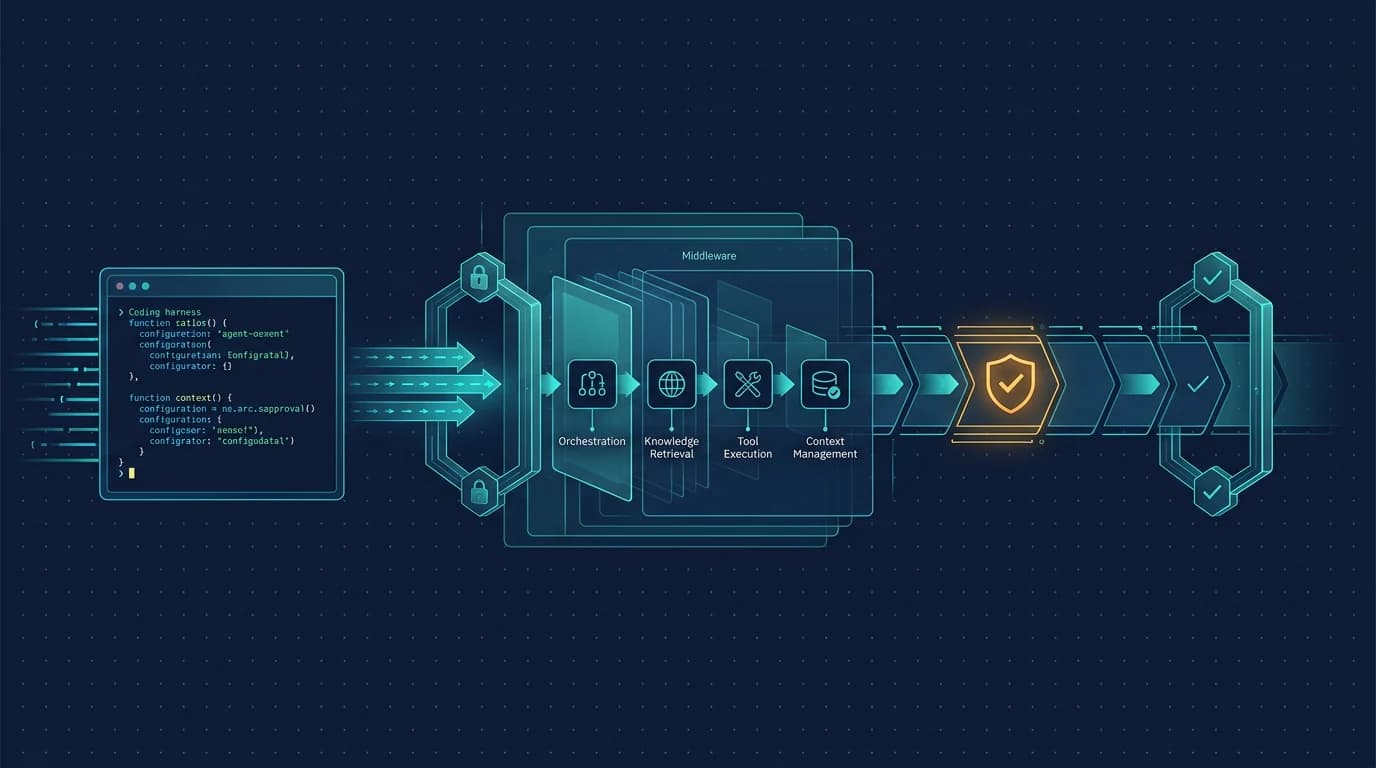
Wrap the GitHub Copilot harness with Microsoft Agent Framework in .NET and Python: permission gates, MCP servers, custom tools, streaming and approvals.
Read Article →AI Infrastructure
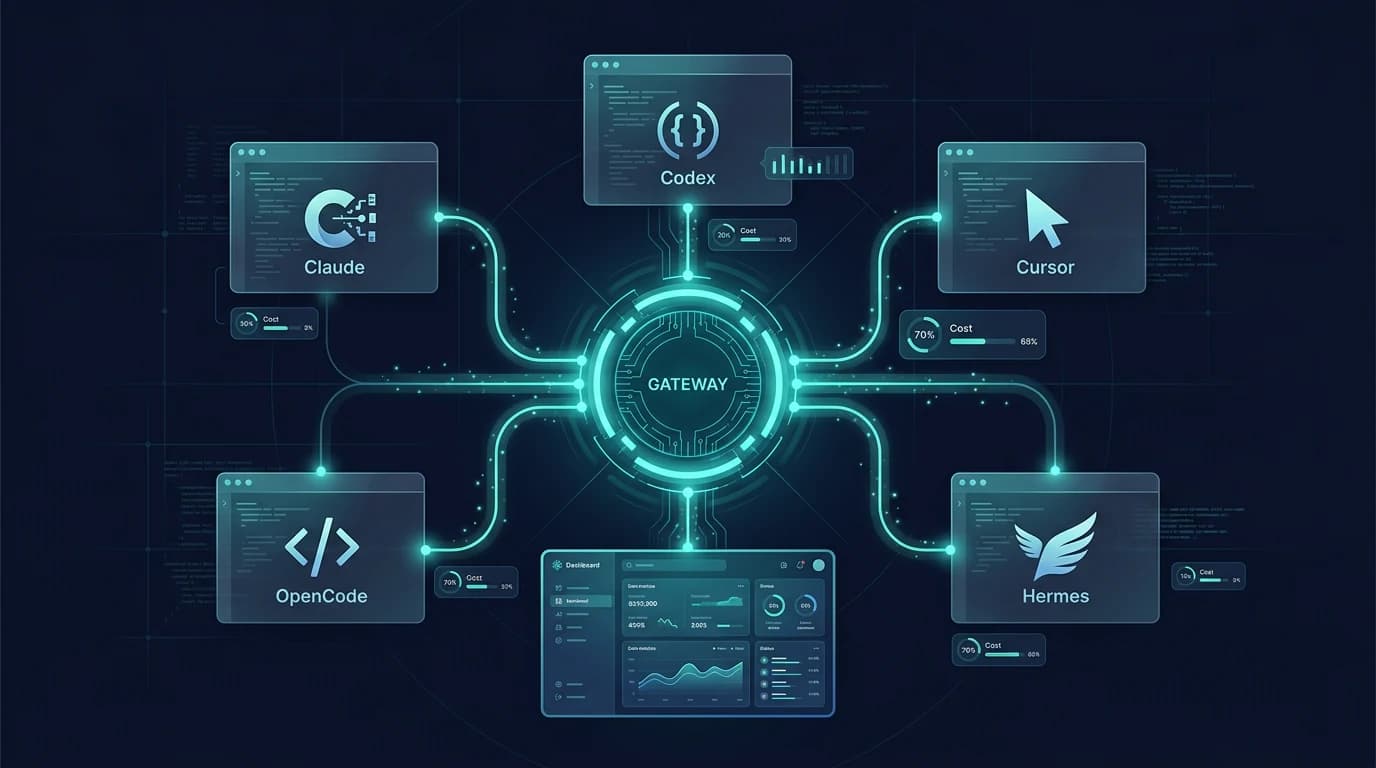
Connect Claude Code, Codex, Cursor, OpenCode, Hermes and more to Vercel AI Gateway with one command: endpoints, fallbacks, spend controls, and tradeoffs.
Read Article →AI Infrastructure
A practical guide to Vercel Labs fx: its Zig-based CLI, ACP, WebAssembly embedding, permissions, MCP, privacy model, and experimental status.
Read Article →AI Infrastructure
Build a DeepSeek Harness tool plugin with Cordis, typed schemas, lifecycle disposal, policy hooks, Code Mode and safe testing.
Read Article →AI Infrastructure
Compare DeepSeek Harness with Claude Code, OpenAI Codex and Cursor by architecture, control, extensibility, workflow and maturity.
Read Article →AI Infrastructure
Deploy OpenSandbox for isolated agent code, browser, MCP, and evaluation workloads with Docker or Kubernetes, egress controls, and credential vaults.
Read Article →AI Infrastructure
Configure the AWS MCP Server with least-privilege IAM, OAuth or SigV4, CloudTrail monitoring, and explicit controls for agent and shell access.
Read Article →AI Infrastructure
A practical DeepSeek Harness v0.1 guide covering Cordis plugins, runtime modes, traceable sessions, installation, tool safety, and preview limitations.
Read Article →AI Infrastructure
Gemini 3.7 Flash guide covering the August launch, coding benchmarks, model-card limits, API rollout gaps, pricing caveats, and migration tests.
Read Article →AI Infrastructure
Understand GitHub Agentic Workflows, Markdown intent, compiled Actions, permissions, safe outputs, MCP, sandboxing and review controls.
Read Article →AI Infrastructure
A practical GitHub Copilot SDK guide covering sessions, tool calls, MCP, streaming, permissions, supported languages and production boundaries.
Read Article →AI Infrastructure
Use GitHub Secret Scanning with AI coding agents to catch exposed credentials before commits and pull requests, with MCP and policy caveats.
Read Article →DevOps
Complete browser-based Google OAuth on a VPS without exposing the callback publicly, using loopback redirects, SSH forwarding and safe token handling.
Read Article →AI Infrastructure
A focused OpenAI Agents SDK sandbox guide covering files, shells, memory, snapshots, sessions, clients and long-running coding workflows.
Read Article →AI Infrastructure
Evaluate LangSmith BYOC on AWS: control and data planes, private networking, regions, IAM, data residency, onboarding, and GA caveats.
Read Article →AI Infrastructure
Run ExtractBench to measure document-agent completeness, accuracy, grounding, perception, table structure, and cost before production.
Read Article →AI Infrastructure
Deploy Nemotron 3.5 Lightning and route agent steps across specialized models with NVIDIA NeMo Switchyard, while measuring cost, latency, and quality.
Read Article →AI Infrastructure
Choose Muse Glimmer weights, quantization, runtimes, tool calling, and hardware for a practical local multimodal agent.
Read Article →AI Infrastructure
Understand GPT-5.6-Cyber, Daybreak Blue and Red, approval controls, benchmark limits, and safe authorized security workflows.
Read Article →AI Infrastructure
Learn how Shepherd branches, replays, reviews, and reverts agent execution—and where its early-alpha guarantees stop.
Read Article →AI Infrastructure
Build and validate Agent Plugins 1.0 packages with portable Skills, MCP configuration, client compatibility checks, and secure adoption guidance.
Read Article →AI Infrastructure
Evaluate Kitesurf against Chromium for agent browsing, with architecture, benchmarks, setup, compatibility limits, and a practical fallback strategy.
Read Article →AI Infrastructure
Understand Cloudflare OS workspaces, Gadgets, Gatekeepers, deployment choices, and the security checks needed before an early-access rollout.
Read Article →AI Infrastructure
Enable Cloudflare WebMCP, inspect its edge-injected tool bridge, test Browser Run, and secure authenticated MCP actions during Developer Preview.
Read Article →DevOps
Use AnyDoc from Node.js, Python, Rust, WebAssembly, or an Agent Skill, while handling OCR gaps, benchmark claims, errors, and untrusted files.
Read Article →AI Infrastructure
Run LFM2.5-2.6B locally with llama.cpp, MLX, or vLLM; connect an agent harness, budget context, test tool calls, and preserve data boundaries.
Read Article →AI Infrastructure
Deploy Shieldstral 1.0 3B for text and image moderation, then calibrate policy prompts, thresholds, fallback review, and production safety controls.
Read Article →AI Infrastructure
Map Google DeepMind's new leadership, Demis Hassabis's strategic role, Koray Kavukcuoglu's remit, and Discovery Loop's founders and research mission.
Read Article →AI Infrastructure
Understand Muse Code's persistent agents and restart-safe, replay-exact runtime, Muse Spark 1.2 co-training, benchmarks, pricing, data terms, and security.
Read Article →AI Infrastructure
Explore Prime Agent's persistent IPython runtime, retained subagents, continual harness, open-source setup, ARC-AGI-3 claim, and security boundaries.
Read Article →AI Infrastructure
Design offline experiments and production monitors with Gemini Enterprise Agent Evaluations, adaptive rubrics, trace scoring, and lifecycle boundaries.
Read Article →AI Infrastructure
Use Hermes Kanban for durable multi-agent work with named profiles, task dependencies, retries, structured handoffs, isolated boards, and a live dashboard.
Read Article →AI Infrastructure
Deploy YC's QM multiplayer agent harness for Slack and the web, with scoped workspaces, swappable coding agents, security postures, and rollout checks.
Read Article →AI Infrastructure
Map Agent Baseline's 35 draft controls to six outcomes, phased implementation, evidence records, testing, and an honest enterprise gap assessment.
Read Article →AI Infrastructure
Prepare repositories for Cursor cloud agents with reproducible Linux environments, scoped access, diagnostics, acceptance gates, and honest metrics.
Read Article →AI Infrastructure
Use DeepSeek V4 Flash 0731 with Codex and Responses API. Compare official benchmarks, pricing, open weights, compatibility limits, and migration checks.
Read Article →AI Infrastructure
Design fair long-running agent evaluations using retained reasoning, compaction, ablations, and reporting that separates model quality from harness choices.
Read Article →AI Infrastructure
Evaluate Inkling-Small for coding and tool use with exact checkpoint memory, deployment choices, benchmark caveats, and a safe smoke-test plan.
Read Article →AI Infrastructure
Run and productionize page-level PDF routing between local LiteParse and LlamaParse tiers with cost measurement, key safety, and fallbacks.
Read Article →DevOps
Operate Codex or Claude Code from a phone using private Tailscale access, hardened SSH, persistent tmux, scoped credentials, and recovery controls.
Read Article →AI Infrastructure
Use eight scientific-software case studies to design validation, benchmarking, release, and stewardship gates for coding-agent changes.
Read Article →AI Infrastructure
Build ER 2 orchestration with Live API streams, progress checks, robot tools, safety gates, and explicit hardware boundaries.
Read Article →DevOps
Configure Copilot code review with head-branch skills, repository instructions, read-only MCP tools, secrets, attribution, and review gates.
Read Article →DevOps
Create, submit, sync, review, and merge dependency-ordered PRs with GitHub's preview gh-stack CLI and coding-agent skill.
Read Article →AI Infrastructure
Use Google Agents CLI to spec, scaffold, evaluate, deploy, publish, and observe ADK agents, with clear local and Google Cloud boundaries.
Read Article →AI Infrastructure
Embed Puck AI with assembly or design mode, preserve dynamic config, generate headlessly, set BYOK boundaries, and validate streamed output.
Read Article →DevOps
Deploy Hermes Agent into Buzz channels from a Linux VPS with buzz-acp, dedicated identities, systemd supervision, restricted inbound access, and verification.
Read Article →AI Infrastructure
Evaluate Cisco Antares 350M and 1B locally or in CI, interpret VLoc Bench results, and keep localization separate from proof and remediation.
Read Article →AI Infrastructure
Migrate Claude Managed Agents safely: initial events, effort, lifecycle webhooks, version checks, thread deltas, memory headers, tests, and rollout.
Read Article →AI Infrastructure
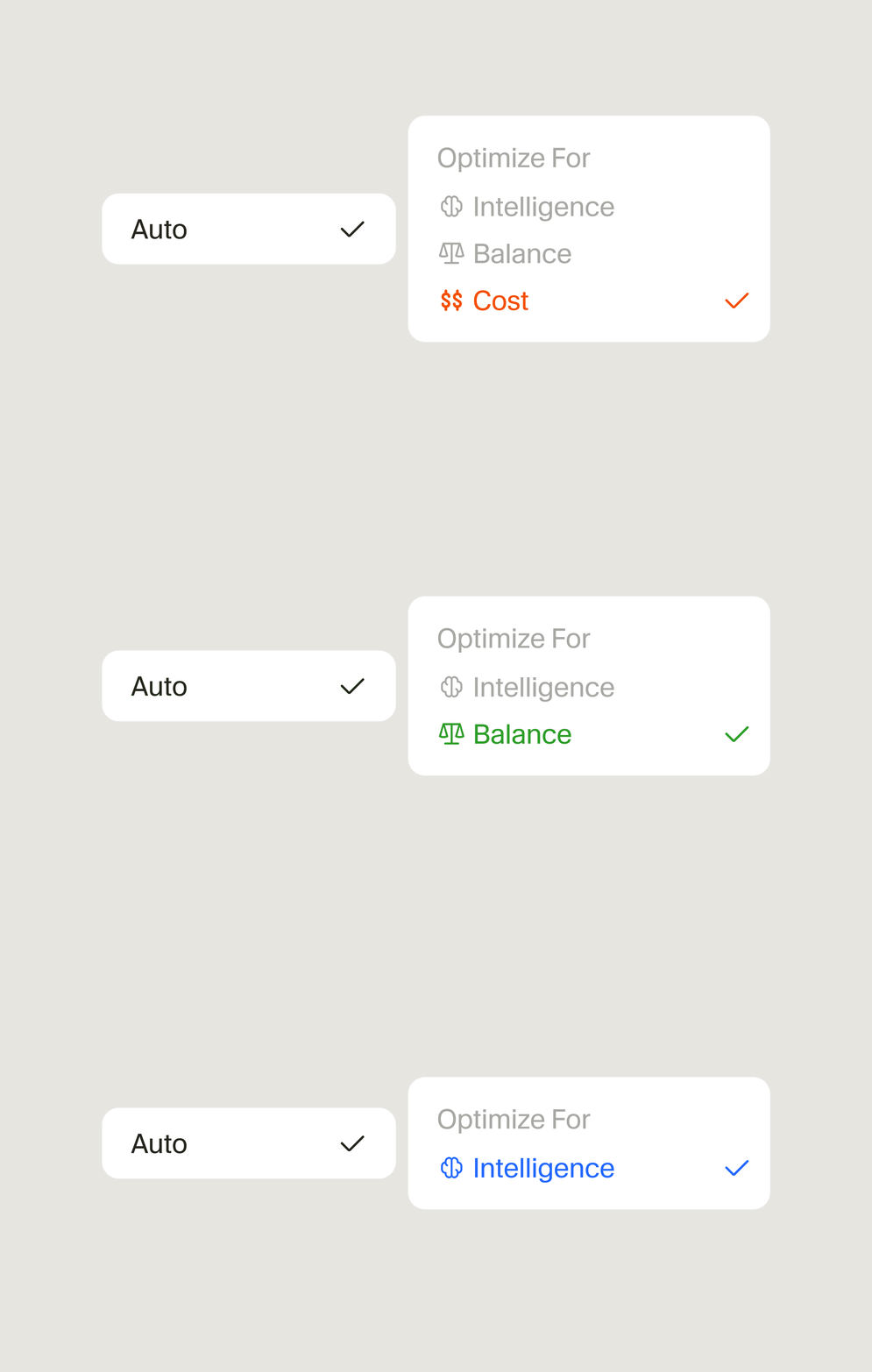
Cursor Router guide to Cost, Balance and Intelligence modes, routed-model billing, hidden model identity, admin controls, and rollout testing.
Read Article →AI Infrastructure
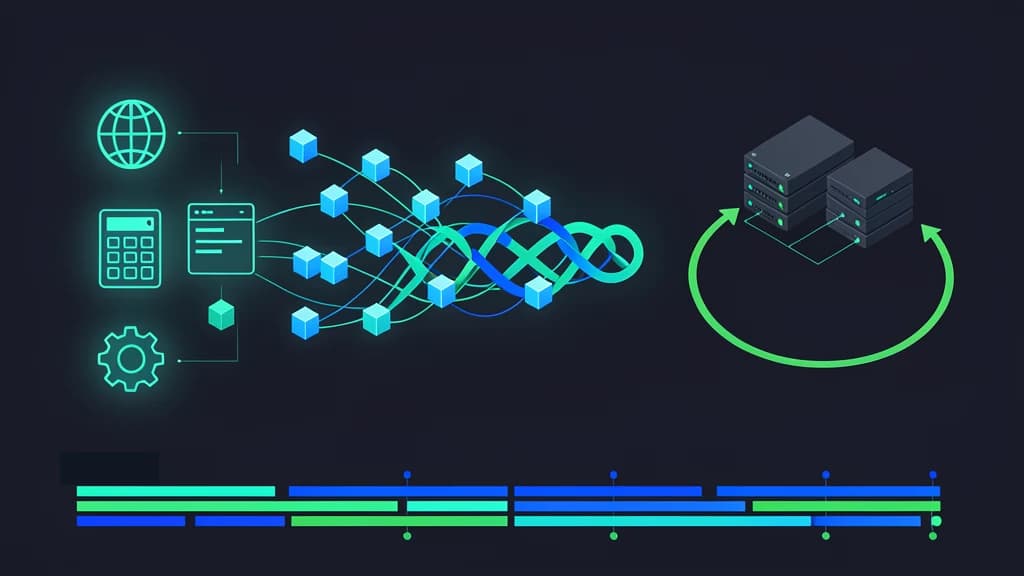
Design Tunix agentic RL pipelines with async rollouts, grouped trajectories, composable tool environments, TPU meshes, and Perfetto traces.
Read Article →AI Infrastructure
Upgrade Microsoft Agent Framework Python 1.12.1 safely: test GPT-5.6 cache breakpoints, Gemini tool replay, stateless reasoning, and MCP headers.
Read Article →AI Infrastructure
Build and import Vercel Eve extensions with typed config, namespaced tools, approvals, overrides, and an npm supply-chain review checklist.
Read Article →AI Infrastructure
Set up Claude Code Desktop's iOS Simulator, manage permissions, test a first app, troubleshoot failures, and understand the beta's limits.
Read Article →AI Infrastructure
Upgrade to Codex CLI 0.145.0, import Cursor or Claude Code setup safely, test MCP and sessions, and separate stable features from experiments.
Read Article →DevOps
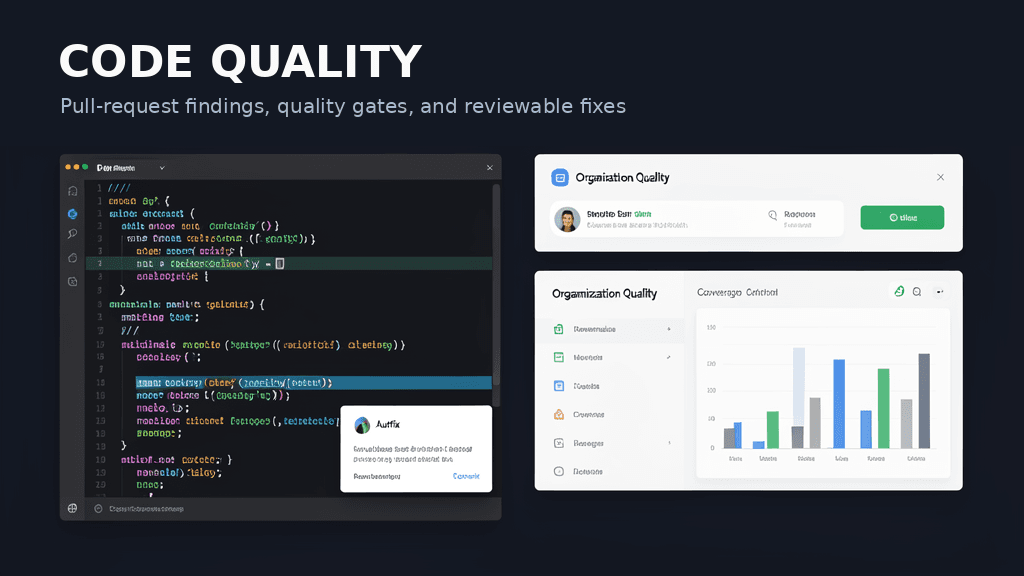
Set up GitHub Code Quality, model its three-part cost, add coverage and ruleset gates, triage findings, and roll out safely on Team or Enterprise Cloud.
Read Article →AI Infrastructure
What OpenAI and Hugging Face confirm about the July 2026 evaluation incident, what remains preliminary, mitigations, and safer AI evaluations.
Read Article →AI Infrastructure
OpenAI Presence guide to availability, architecture, governance, pricing unknowns, evaluation, security questions, and a practical enterprise pilot.
Read Article →AI Infrastructure
Deploy Poolside Laguna S 2.1 locally or by API, compare checkpoints and memory, interpret benchmarks, and assess its OpenMDW license and limits.
Read Article →AI Infrastructure
Qwen-Image-3.0 developer guide to current access, generation and editing claims, text rendering, API and open-weight gaps, and a reproducible evaluation.
Read Article →AI Infrastructure
Enable Claude Code screen reader mode by flag, environment, or settings; verify terminal behavior, troubleshoot failures, and roll back safely.
Read Article →AI Infrastructure
Configure Codex Code Review with scoped AGENTS.md rules, test triggers and safe counterexamples, and interpret OpenAI's vendor-run evaluation.
Read Article →AI Infrastructure
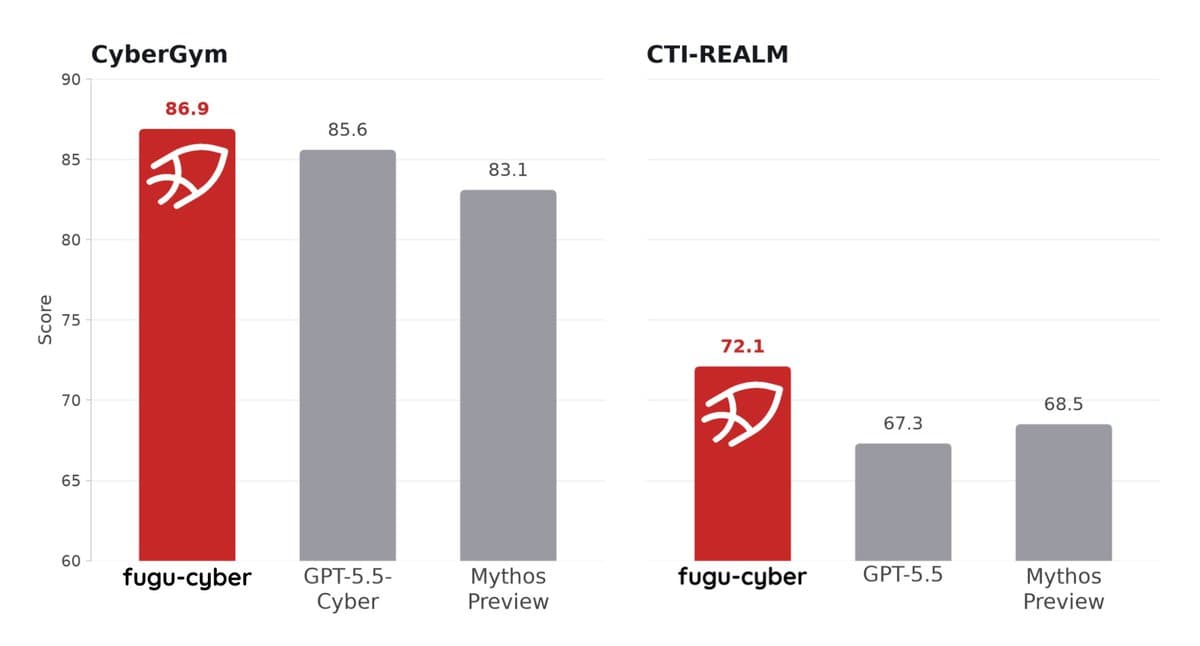
Fugu-Cyber guide to Sakana AI's orchestration model, CyberGym and CTI-REALM results, pricing, gated access, safety policy, and enterprise evaluation.
Read Article →AI Infrastructure
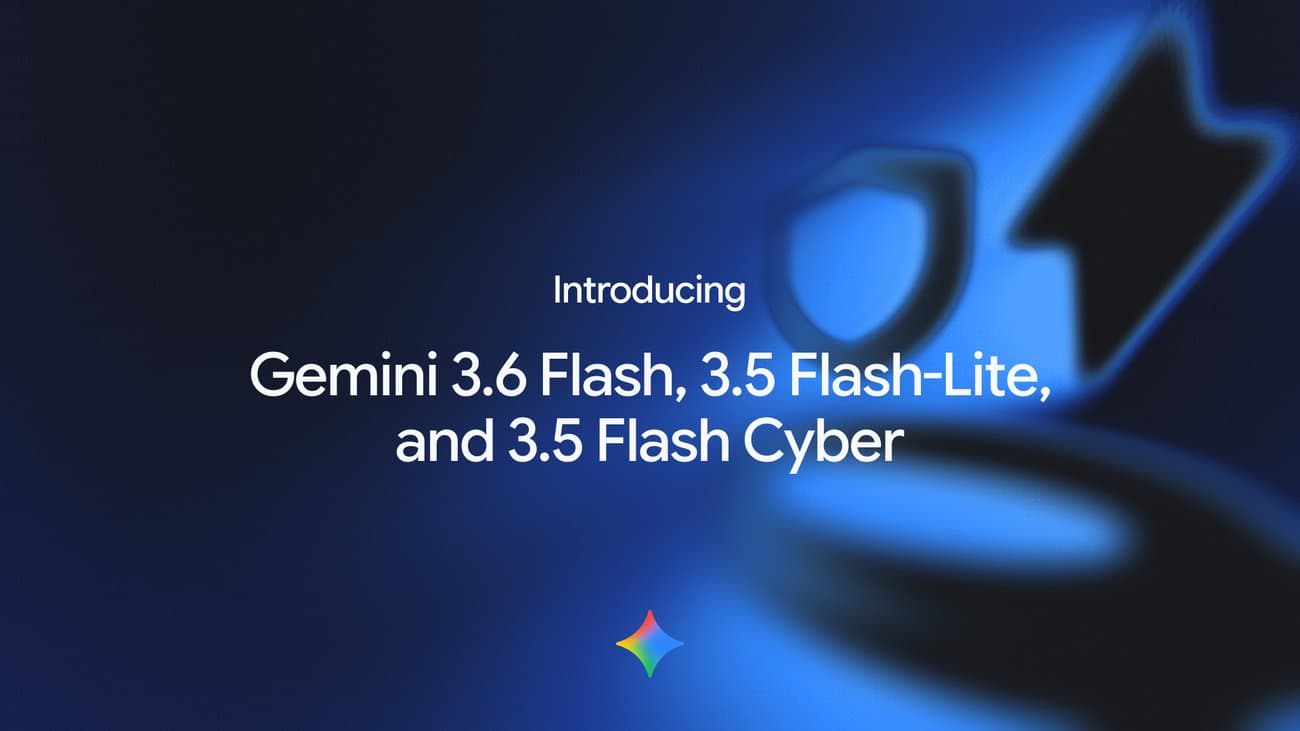
Gemini 3.6 Flash guide to model IDs, API pricing, benchmark caveats, Antigravity and Copilot availability, Flash-Lite, Cyber, and migration tests.
Read Article →AI Infrastructure
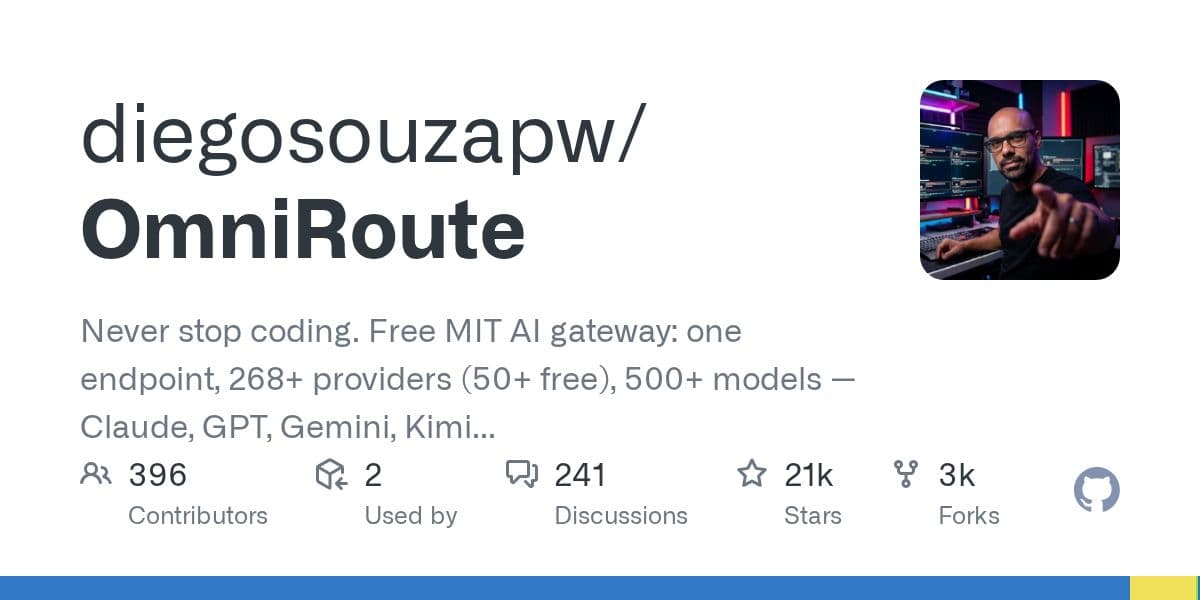
OmniRoute is a local AI gateway for coding tools. Learn its auto-routing, protocol translation, setup, security boundaries, and adoption tradeoffs.
Read Article →DevOps
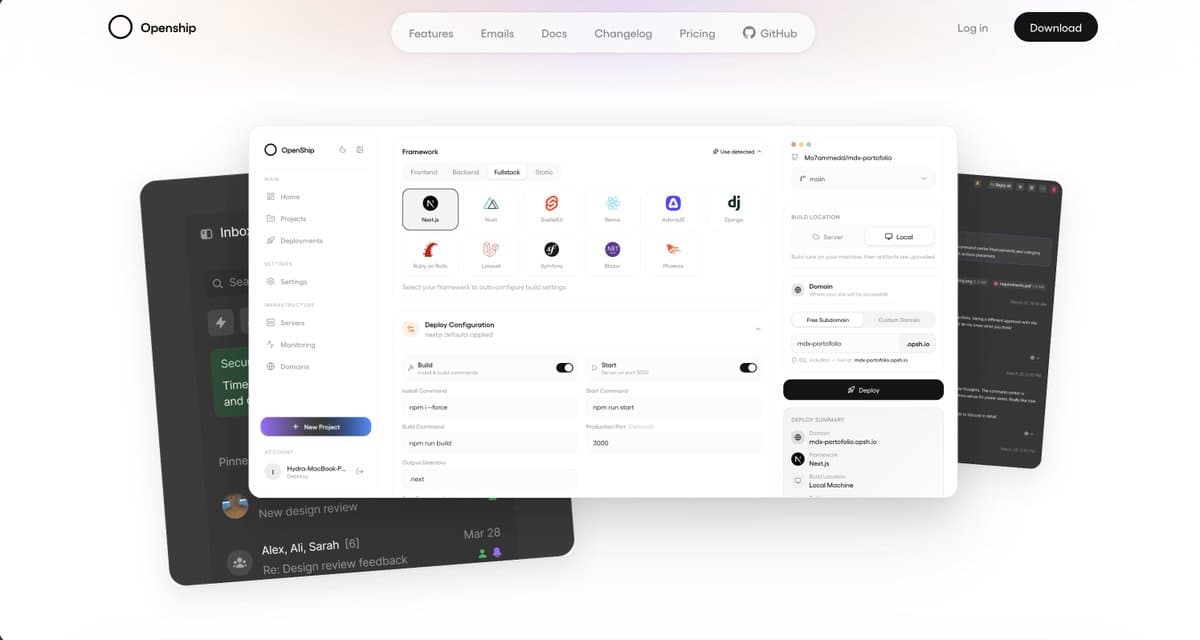
OpenShip guide to self-hosted deployments, Docker and bare runtimes, mail, MCP permissions, data ownership, installation, and beta caveats.
Read Article →Product Guide
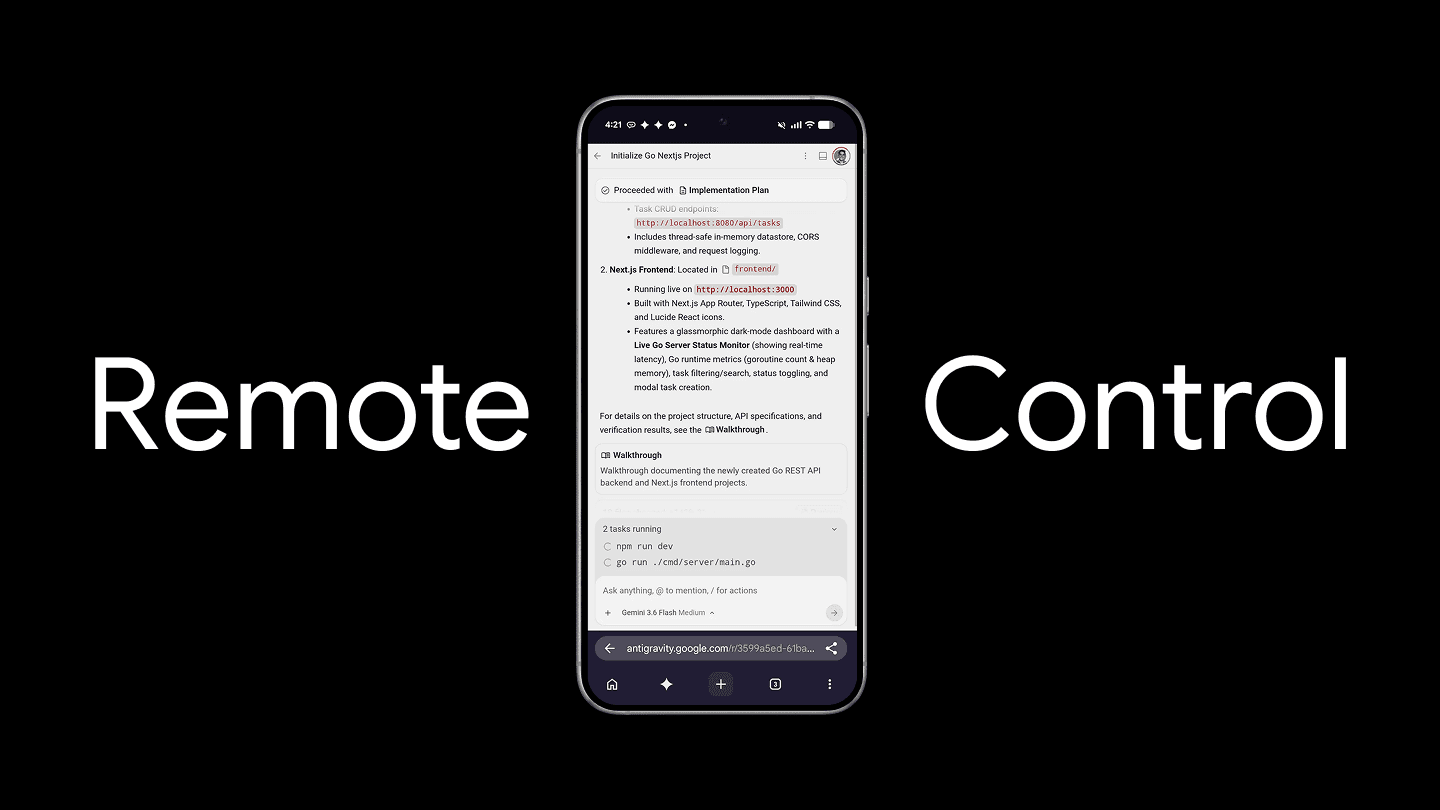
Google's browser-based Remote Control keeps you connected to Antigravity sessions on your desktop or server. Setup, headless instances, security boundaries, troubleshooting, and a practical workflow.
Read Article →Model Release
Kimi K3 brings 2.8T parameters, native vision, and a 1M-token context to Kimi's API and agents. Here is what changed, what remains vendor-reported, why the weights are still forthcoming, and how to test it safely.
Read Article →Model Release
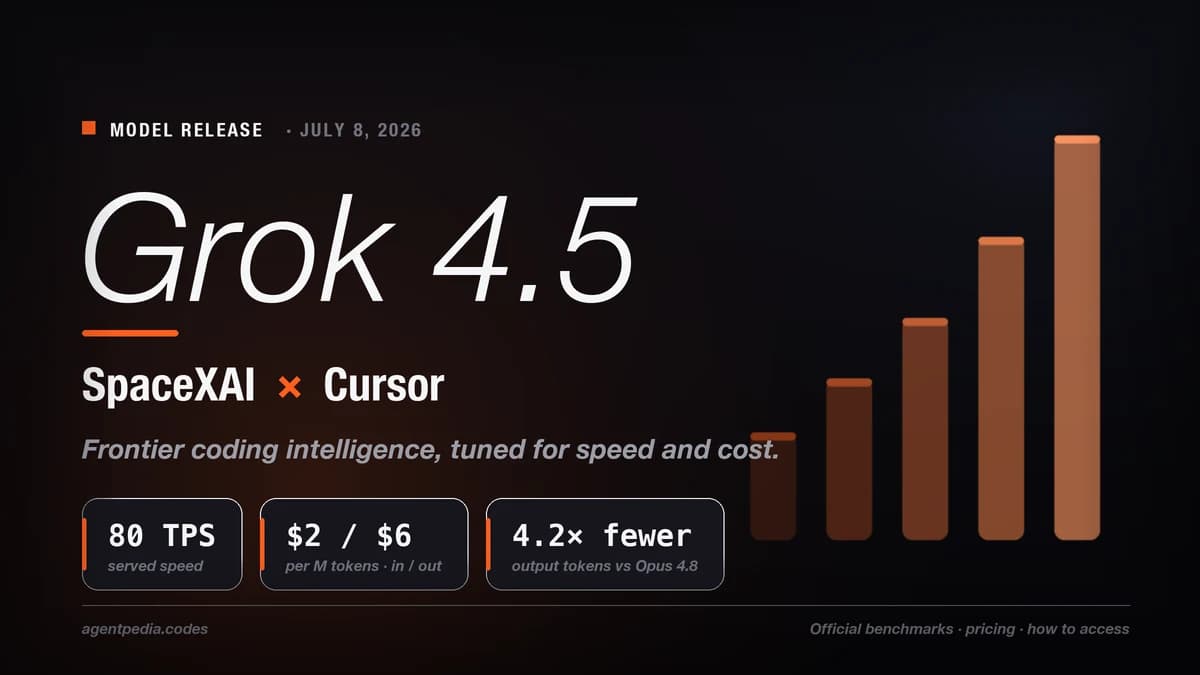
xAI and Cursor co-trained one model and shipped it under both brands on July 8, 2026. The honest read: Fable 5 still tops most charts — Grok 4.5's edge is 80 TPS, ~4.2× fewer tokens than Opus 4.8, and $2/$6 pricing. Benchmarks, the EU delay, and how to run grok-4.5.
Read Article →Comparison
Cursor, Claude Code, Copilot, Cline, Sourcegraph and Devin (ex-Windsurf) compared on autonomy, price, and Terminal-Bench — with an honest pick for each kind of developer.
Read Article →Comparison
Pinecone, Qdrant, Weaviate, pgvector, Milvus and MongoDB Atlas compared for RAG and agent memory — latency, hybrid search, ops, and how to choose.
Read Article →Comparison
Tabstack, Browserbase, Playwright MCP, Steel and proxies compared — how agents browse, extract web data, and get past anti-bot.
Read Article →Comparison
Airbyte, Fivetran, Estuary, Meltano and Hevo compared — open-source vs managed, CDC, AI connector building, and feeding data to AI agents.
Read Article →Comparison
RunPod, Lambda Labs, CoreWeave, Vast.ai and Modal compared on H100 price, availability, and networking — picks for training, inference, and tinkering.
Read Article →Comparison
Flyte, Airflow, Prefect, Dagster, Metaflow and Temporal compared for ML pipelines and agentic workloads — how to pick an orchestrator.
Read Article →Security
Protect iOS and Android apps in 2026: obfuscation, RASP, and the tools (Guardsquare, Appdome, Zimperium) — plus what AI-built apps get wrong.
Read Article →Comparison
TinyMCE, CKEditor, Tiptap, Lexical, Quill and ProseMirror compared for embedding — features, collaboration, licensing, and AI-writing add-ons.
Read Article →AI Deep Dive
Bot defense when legitimate AI agents are the traffic: Turnstile, hCaptcha, reCAPTCHA and Captcha.la compared — and how to allow the good agents.
Read Article →AI Deep Dive
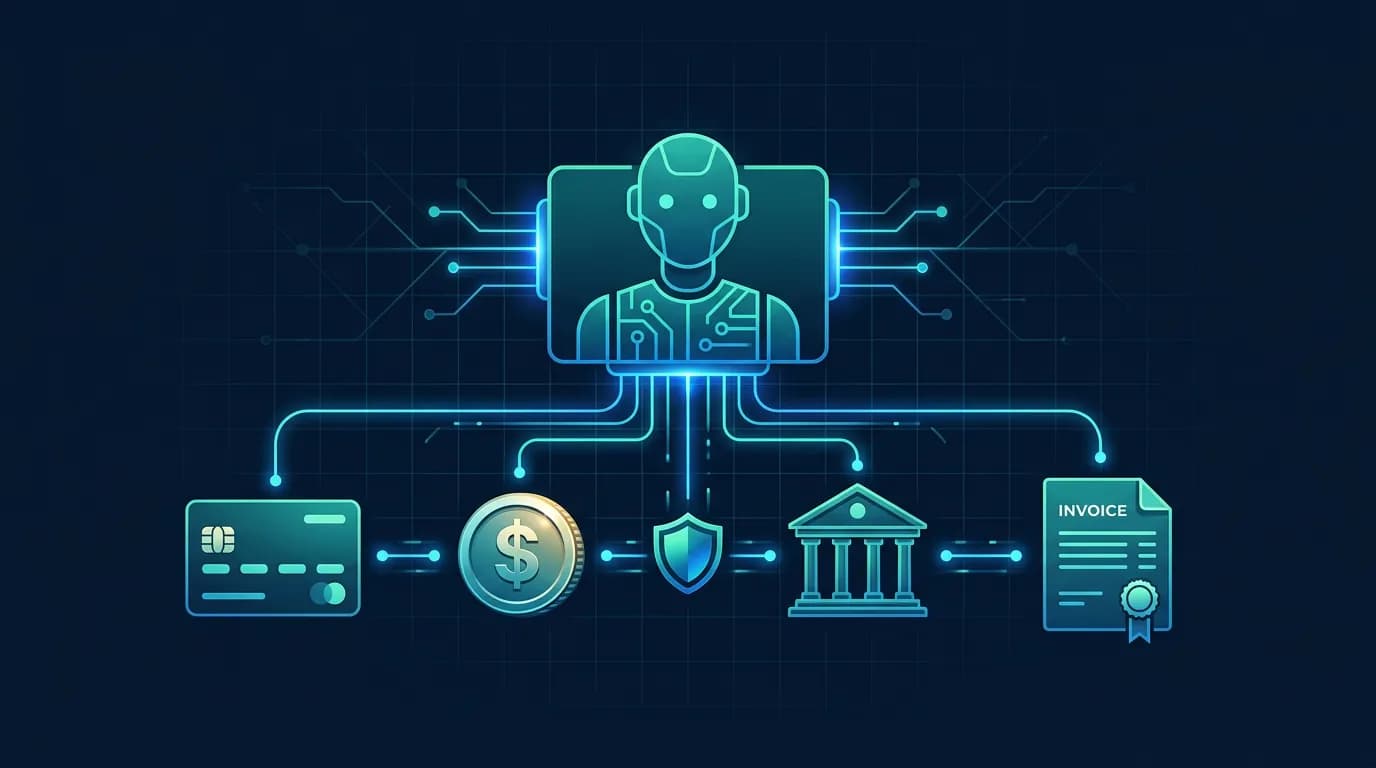
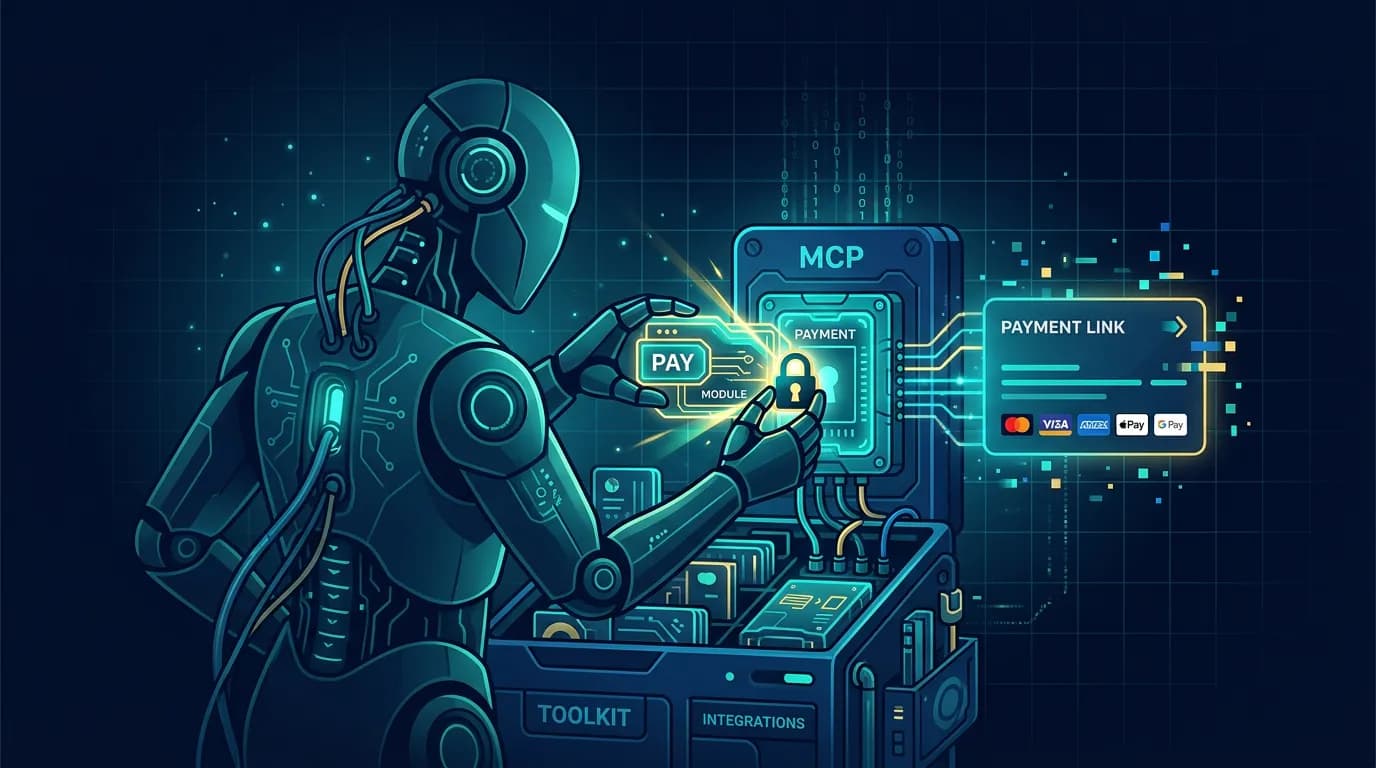
The payment MCP servers and toolkits that let AI coding agents move money — Stripe MCP, x402, MPP, Nevermined, Bedrock AgentCore — what each does, how to pick one, and the trust layer that goes over it.
Read Article →Tutorial
A hands-on guide to giving an AI agent Stripe access via MCP: add the Stripe MCP server, scope a restricted key, run your first payment operations in plain English, and add guardrails before real money moves.
Read Article →Comparison
Stripe isn't the only way to give an agent payment power. The real alternatives — x402, PayPal, Adyen, Nevermined, Bedrock AgentCore — compared, plus why the trust layer sits above whichever you pick.
Read Article →Product Launch
Antigravity 2.2.1 lands a built-in Guide skill, audio-file rendering, and C++/Python/Protobuf highlighting. Plus the Go-based agy CLI, its config and slash commands, and the Gemini CLI sunset.
Read Article →Troubleshooting
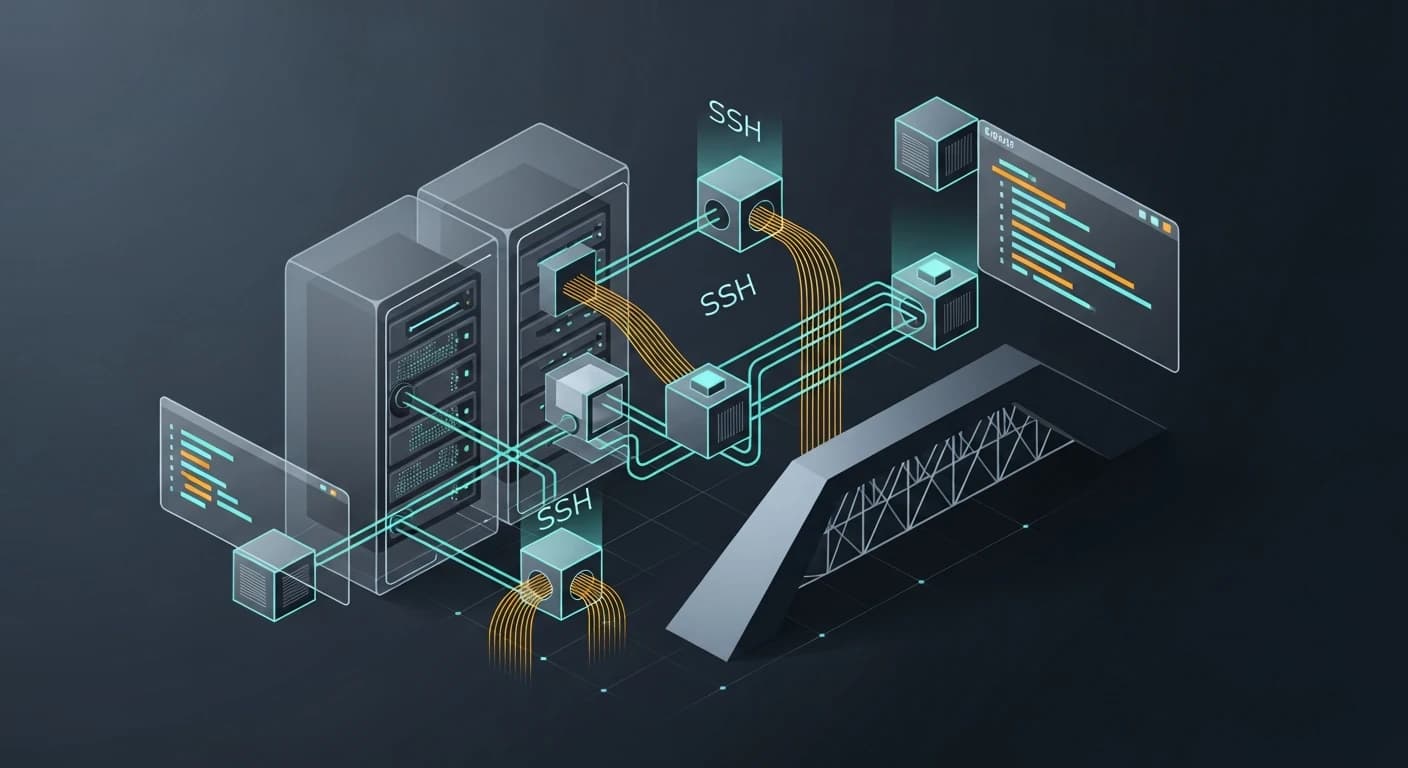
Two Antigravity CLI bugs, fixed: subagents that will not invoke after definition (the static .md config that works), and the SSH server-crashed error (telemetry and Local Network fixes).
Read Article →Guide
Out of included tokens? What to actually run in Antigravity: GLM-5.2, DeepSeek V4, BYOK proxies, the Google Cloud credits path and its catch, and the privacy caveats on cheap hosts.
Read Article →Guide
Antigravity compacts context hard, with no token meter. Keep state across sessions with the memory-trio pattern, spec files, external memory, and the workflows that survive a restart.
Read Article →Comparison
The cheapest capable coding models in 2026 on one table: price per million tokens, context, and SWE-bench Pro. Why DeepSeek V4-Pro and GLM-5.2 beat the big labs on cost, and the caveats.
Read Article →Tutorial
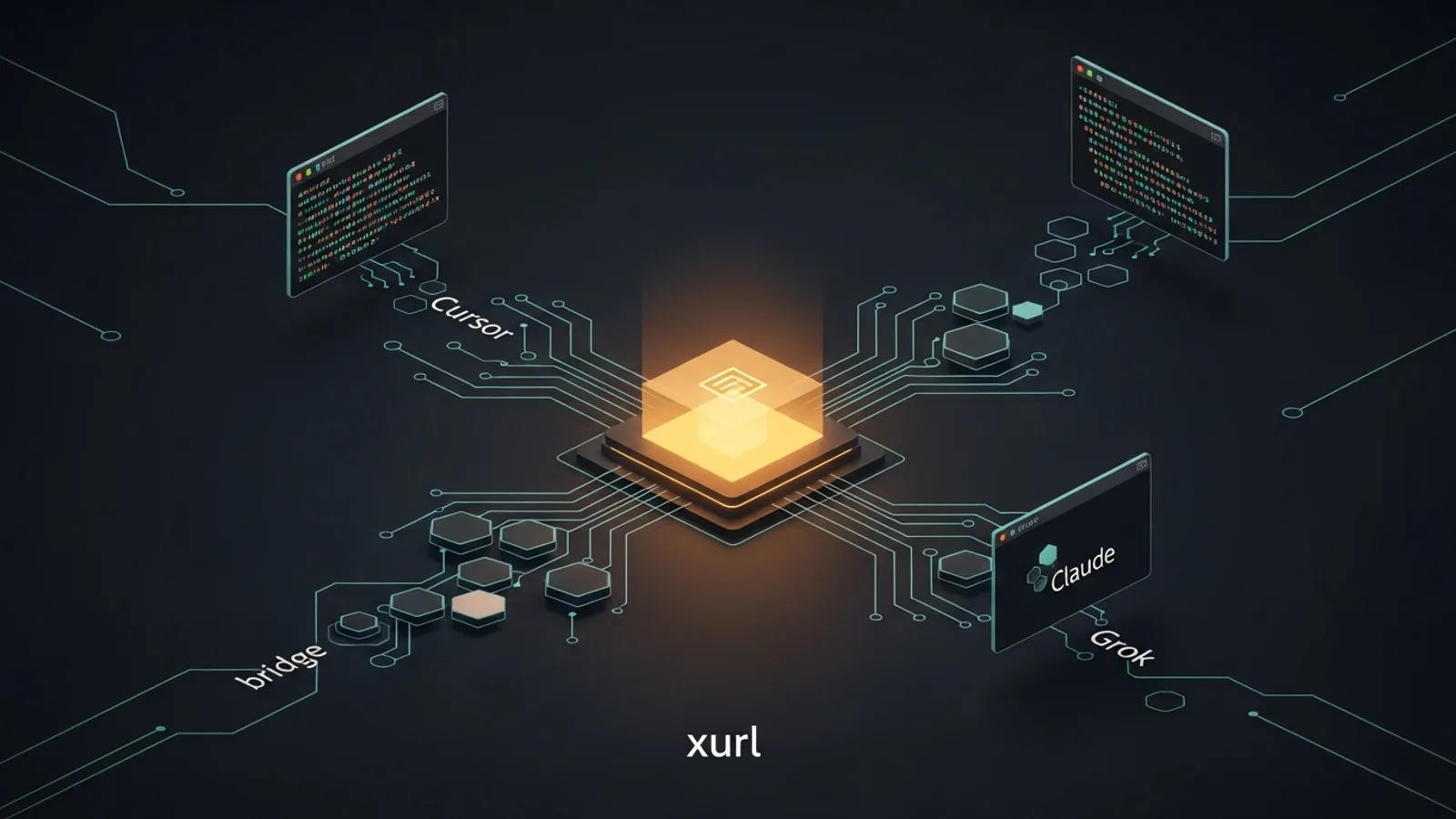
Connect the new hosted X (Twitter) MCP server to Cursor, Claude, or Grok with the xurl bridge. Step-by-step OAuth setup, the read-vs-write nuance, the top gotchas, and the pay-per-use cost.
Read Article →Investigation
A calm, source-checked look at the Claude Code hidden-signal finding: what two researchers verified, how the fingerprint worked, why it only triggered behind a custom base URL, and how Anthropic responded.
Read Article →Tutorial
Two models, one session: Nano Banana 2 Lite drafts the still, Omni Flash animates and edits it. Full Python for the image-to-video pipeline, the 3-edit chain, the demo apps, and the real cost math.
Read Article →AI Deep Dive
Give a coding agent real Omni Flash video. The skill wraps the API with google-genai and ffmpeg so Claude Code or Antigravity runs actual scripts, not guessed calls. Setup, the bundled commands, and limits.
Read Article →Guide
It is not you. Omni Flash blocks uploaded-video edits in the EEA, UK and Switzerland, only edits clips it generated itself, and trips safety filters on real footage. Why, the empty-output symptom, and what to do.
Read Article →AI Deep Dive
Omni Flash is $0.10/sec, Nano Banana 2 Lite $0.034/image. Run them in a loop and it is pennies, but every conversational edit is a fresh bill. The price tables, the counterargument, and who is actually paying.
Read Article →Model Release
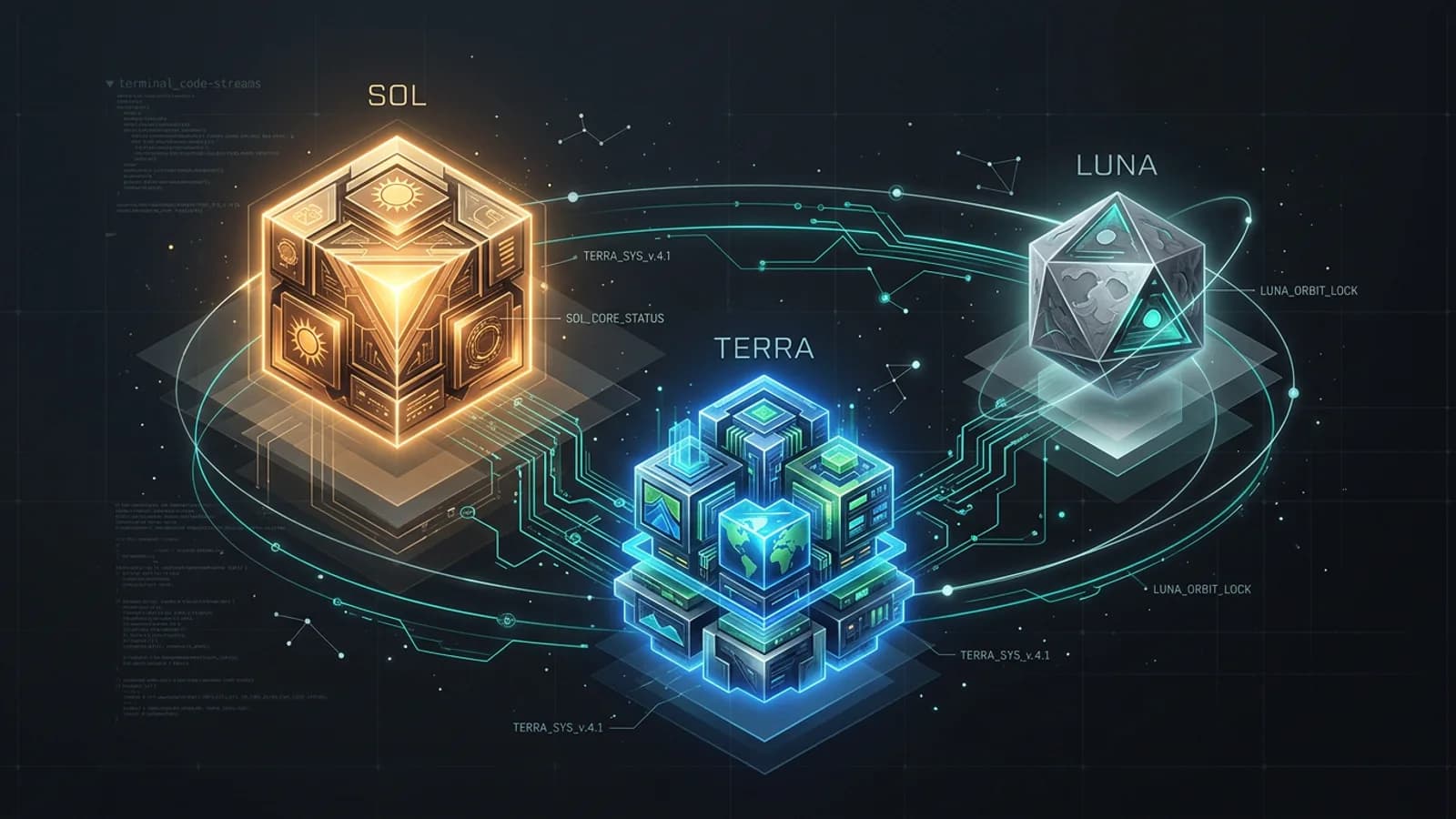
Three tiers, one generation number: Sol, Terra, Luna. Pricing, the new max and ultra modes, the Terminal-Bench numbers worth trusting, the High safety ratings, and why access is gated to about 20 orgs.
Read Article →AI Deep Dive
The biggest MCP revision yet goes stateless on July 28: no initialize handshake, no session ID. Plus MCP Apps and Tasks as extensions. What ships, what breaks, and the before-and-after request.
Read Article →Gemini API
Google just made video generation a REST call. The Interactions API, copy-paste text and image to video code, the conversational edit chain, real $0.10/sec cost math, and the gotchas the docs bury.
Read Article →AI Deep Dive
The honest launch-week verdict: a killer conversational editor, a middling raw generator. The demos that landed, the day-one integrations, the real limits, and what you can actually ship today.
Read Article →Comparison
Two co-leaders, everyone else a tier below. Arena leaderboards, a dimension-by-dimension verdict, pricing and specs side by side, and creator head-to-heads, with which to reach for when.
Read Article →Comparison
The counterintuitive part: a cheaper-per-token model that can cost more per task. Benchmarks (Opus still wins hard coding), the tokenizer cost story, the harness caveat, and when to use each.
Read Article →AI News
Fable 5 is back globally after an 18-day US export-control freeze, but only on plans through July 7, then usage credits, with routine coding quietly routed to Opus 4.8. The timeline and what to do now.
Read Article →Guide
Cursor iOS, Kiro, and Codex mobile compared. None turns your phone into an editor; they are supervision surfaces for cloud and desktop agents. Setup for each, the Antigravity gap, and a build-your-own option.
Read Article →Comparison
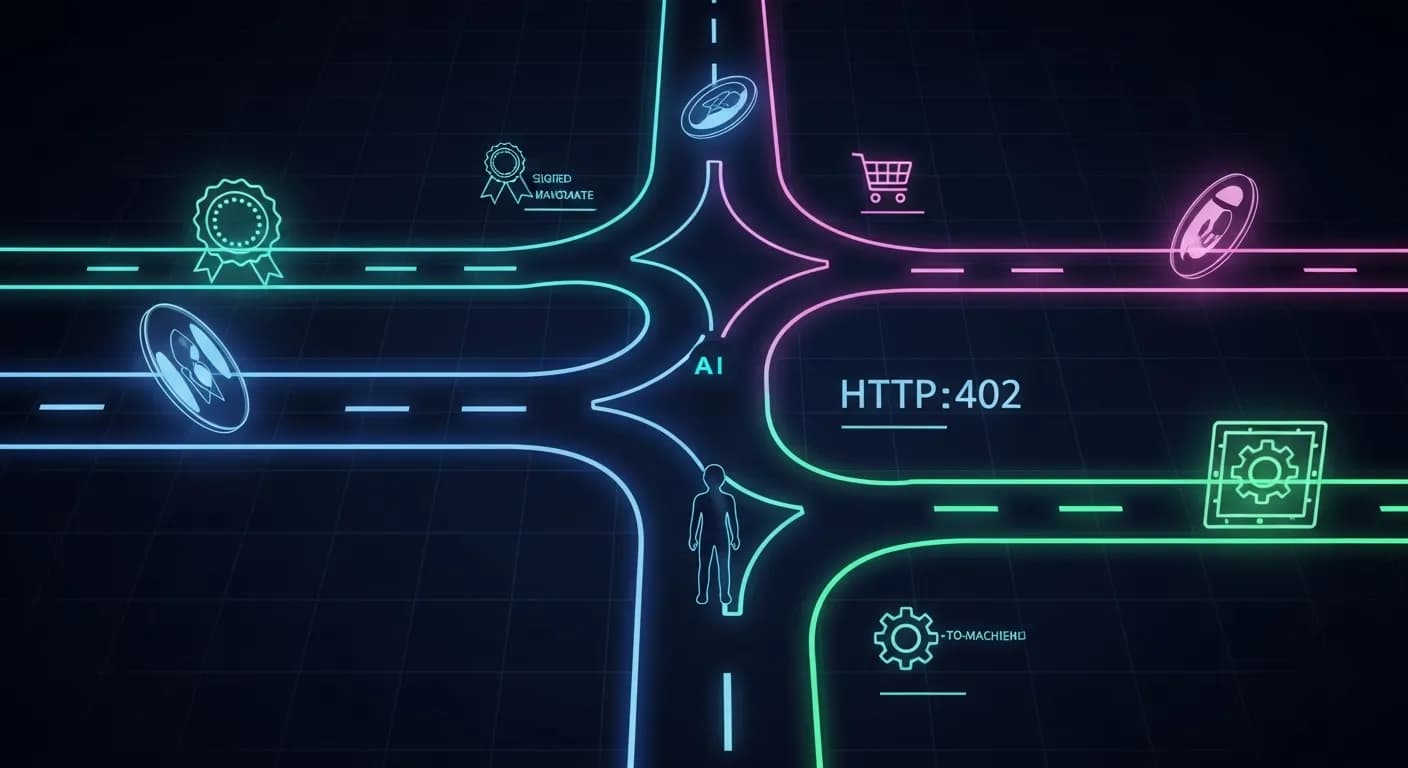
Four protocols showed up at once to let AI agents pay. What each standardizes (authorization, checkout, the crypto rail, machine-to-machine), a side-by-side table, and a plain decision guide for which to use when. They stack more than they compete.
Read Article →Tutorial
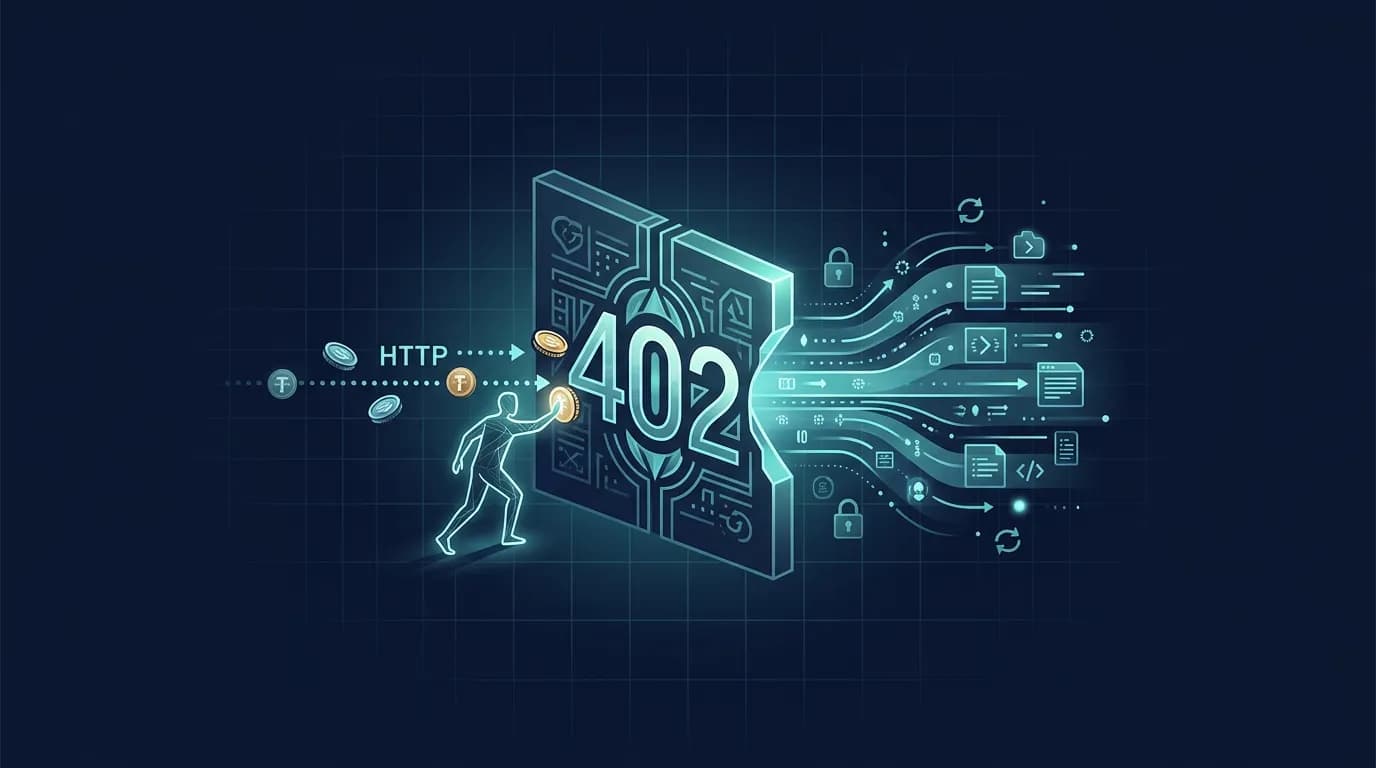
How x402 revives the HTTP 402 status code so AI agents and APIs can pay each other in stablecoins: the request-pay-retry-serve flow, the facilitator, a worked example, and when to reach for it.
Read Article →AI Deep Dive
A job-organized directory of MCP servers for Claude Code: code search, browser & QA, memory, files, and payments. What each one does, the job it solves, a real caveat, and how to add any server safely.
Read Article →Guide
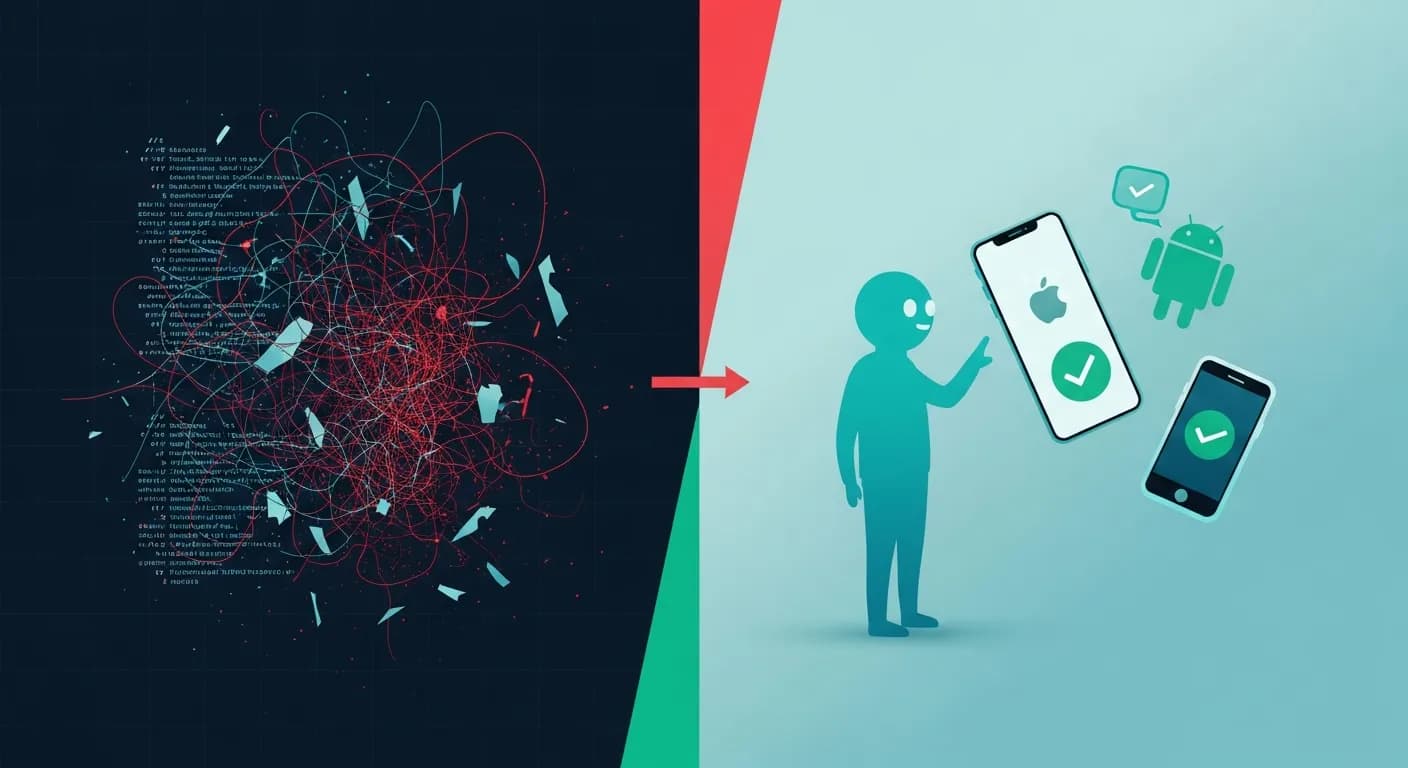
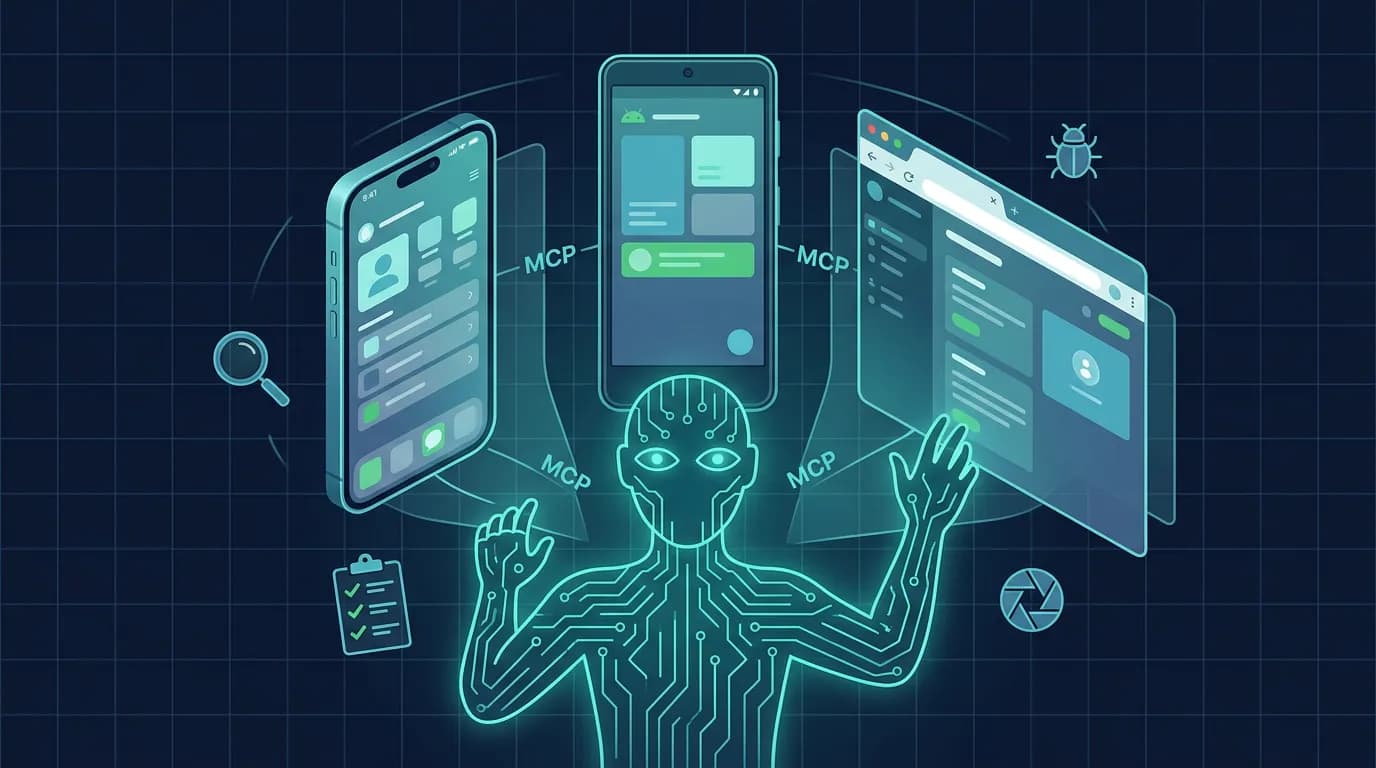
Brittle mobile test scripts are optional now. Test iOS and Android in plain English with an AI agent (Watchr or mobile-mcp), what you trade in determinism, and a migration path that keeps a deterministic CI gate.
Read Article →Guide
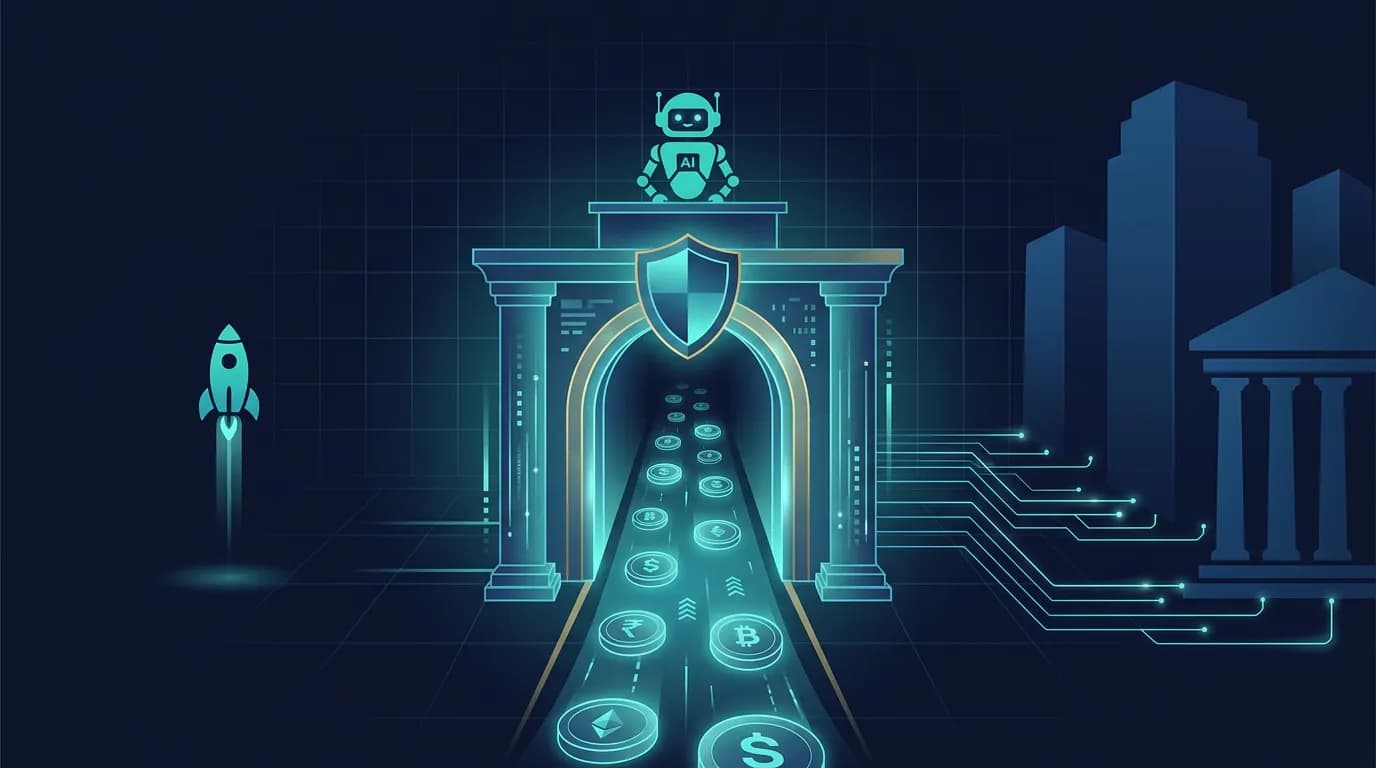
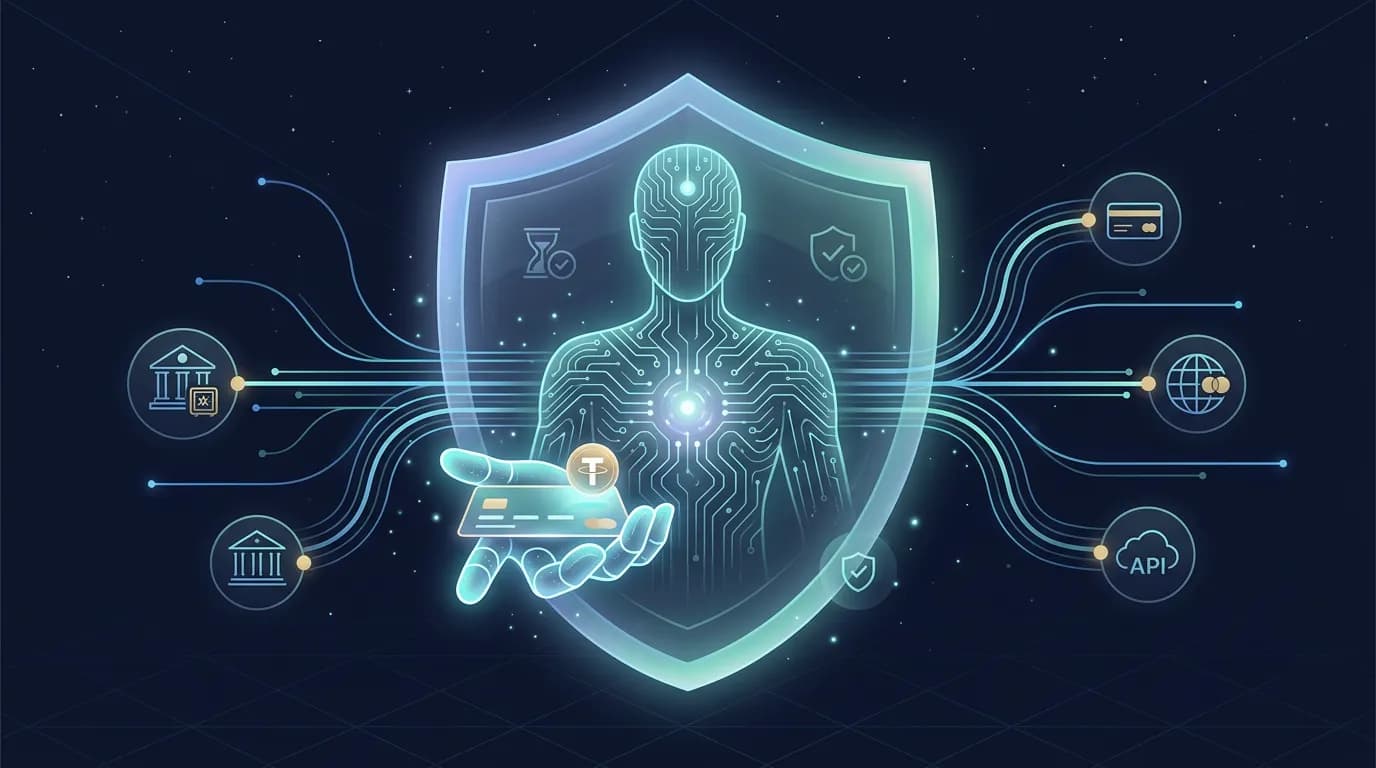
Letting an agent pay for APIs, compute, or services? The gate-rail-audit pattern with adaptable code: spend limits, payee allowlists, human approvals, an audit trail, and the prompt-injection failure modes to test before you trust it.
Read Article →AI Deep Dive
Who keeps an AI agent from draining your account? An analysis of the three ways agent payments get secured — AP2 mandates, network controls (Visa, Mastercard), and dedicated control planes like PayPal and Ralio — and which one you need.
Read Article →AI Deep Dive
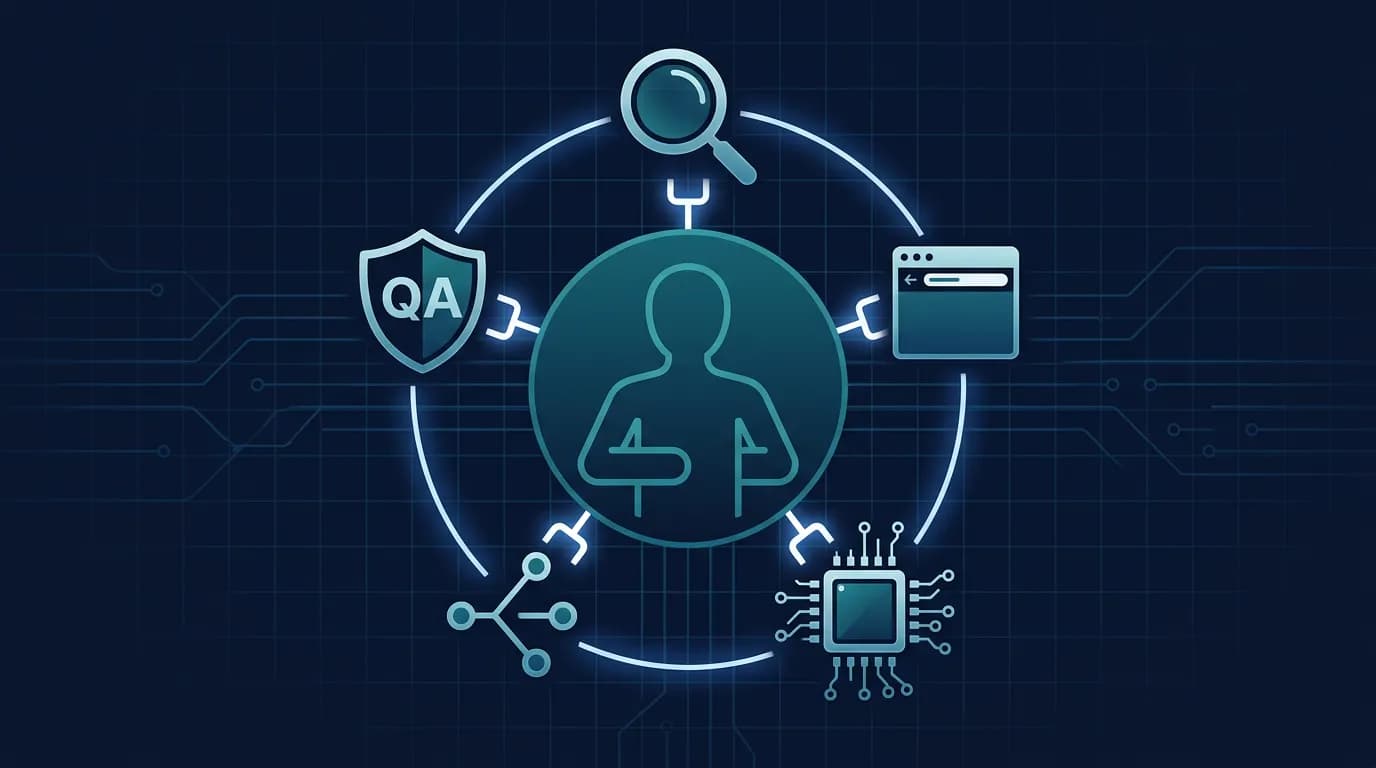
A new category where AI coding agents run QA via MCP. What agent-native autonomous QA means, why Forrester renamed the category, the stack, the players (Playwright MCP, Watchr, Octomind, QA Wolf, Mabl), and how to choose.
Read Article →Guide
A hands-on, vendor-neutral workflow for testing web and mobile apps with Claude Code: connect an MCP server (Playwright MCP or Watchr), test in plain English, decide what to test, and know what belongs in CI — and what doesn't.
Read Article →AI Deep Dive
Watchr is an MCP server that gives Claude Code hands and eyes to test iOS, Android, and web apps in plain English — no scripts, no selectors. How it works, how to install it, the full tool battery, and how it compares to Playwright MCP.
Read Article →AI Deep Dive
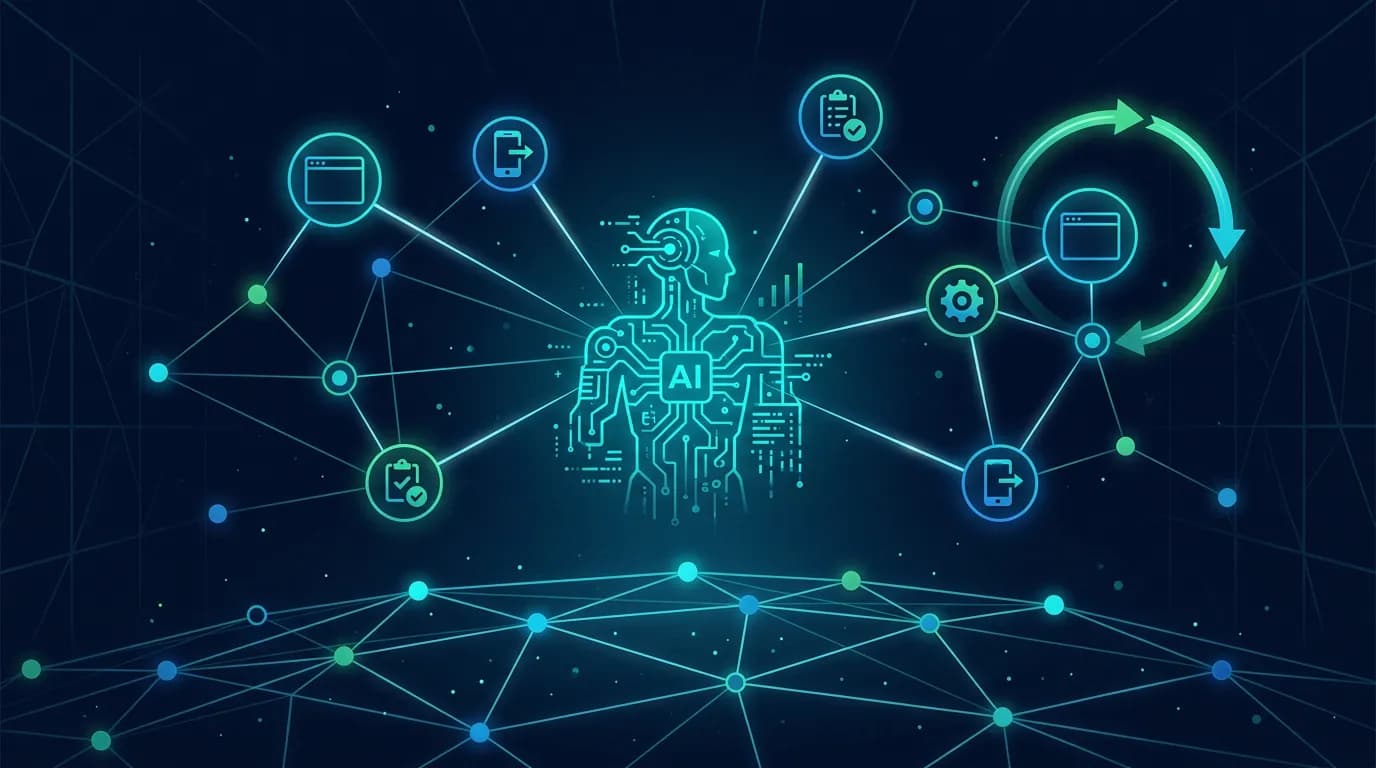
A builder's map of agentic payments: the protocols (AP2, ACP, x402, MPP), the players (Visa, Mastercard, Stripe, Google, PayPal, Coinbase), the trust layer that keeps an agent inside its limits, and how to give an AI agent spending authority safely.
Read Article →Model Release
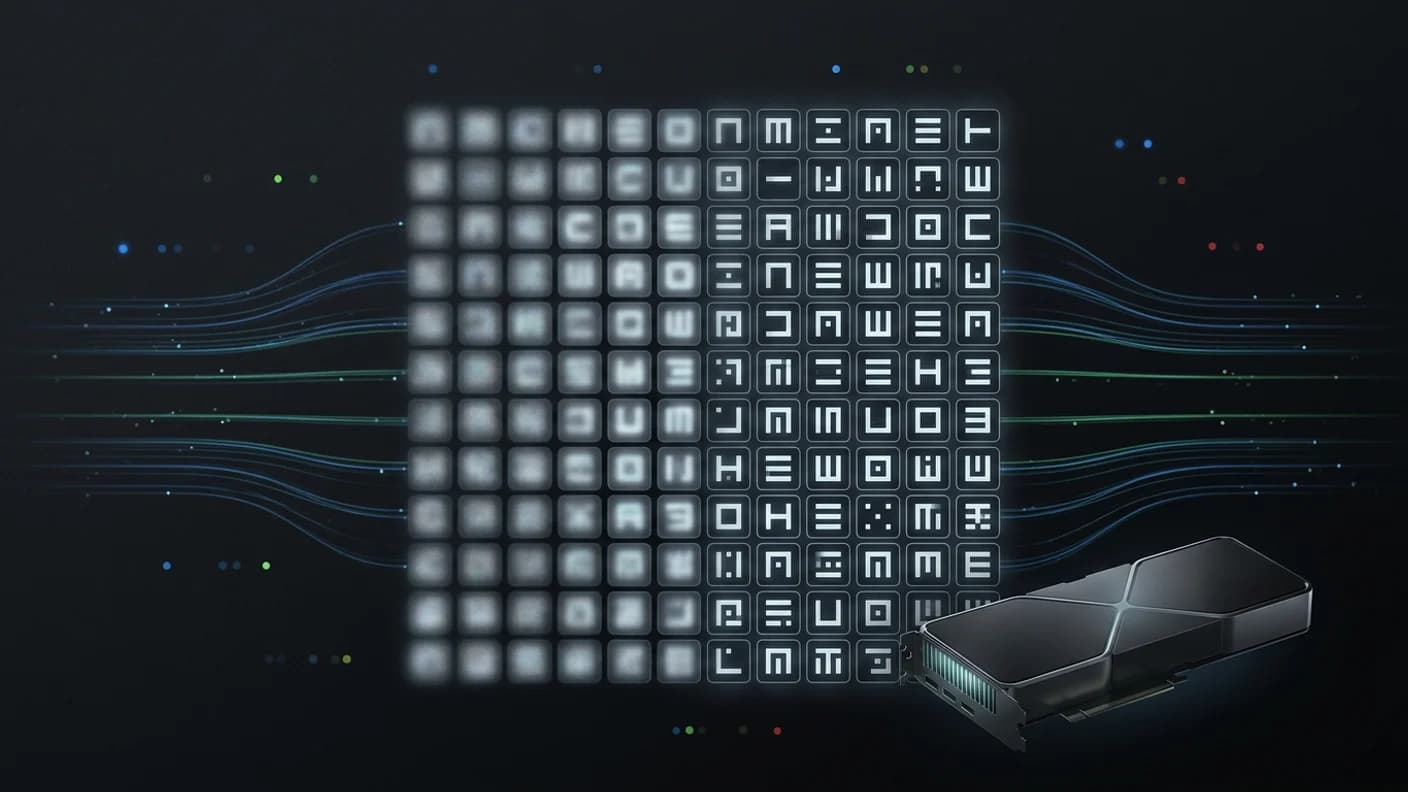
Google introduced DiffusionGemma as an experimental open text diffusion model under Apache 2.0. Official-source guide to the 26B MoE design, 3.8B active parameters, 256-token parallel generation, dedicated GPU speed claims, hardware caveats, and when standard Gemma 4 still wins.
Read Article →AI Agent Launch
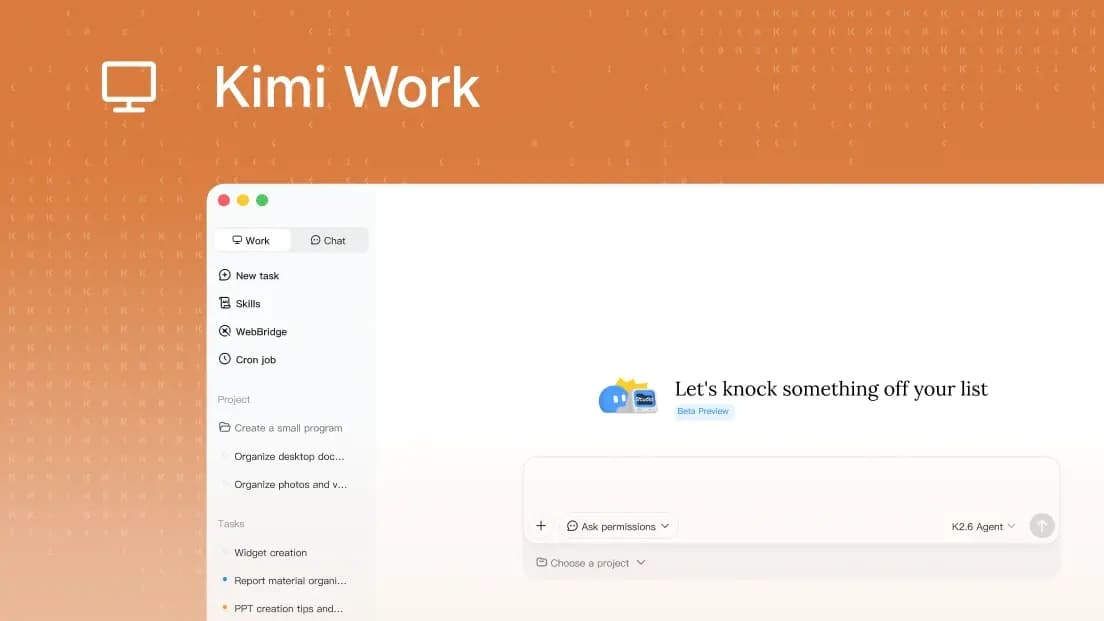
Moonshot AI's Kimi Work is a desktop AI agent for local files, WebBridge browser automation, 24/7 scheduled tasks, Agent Swarm, office creation, and finance workflows. Official Kimi sources only.
Read Article →AI Design Workflow
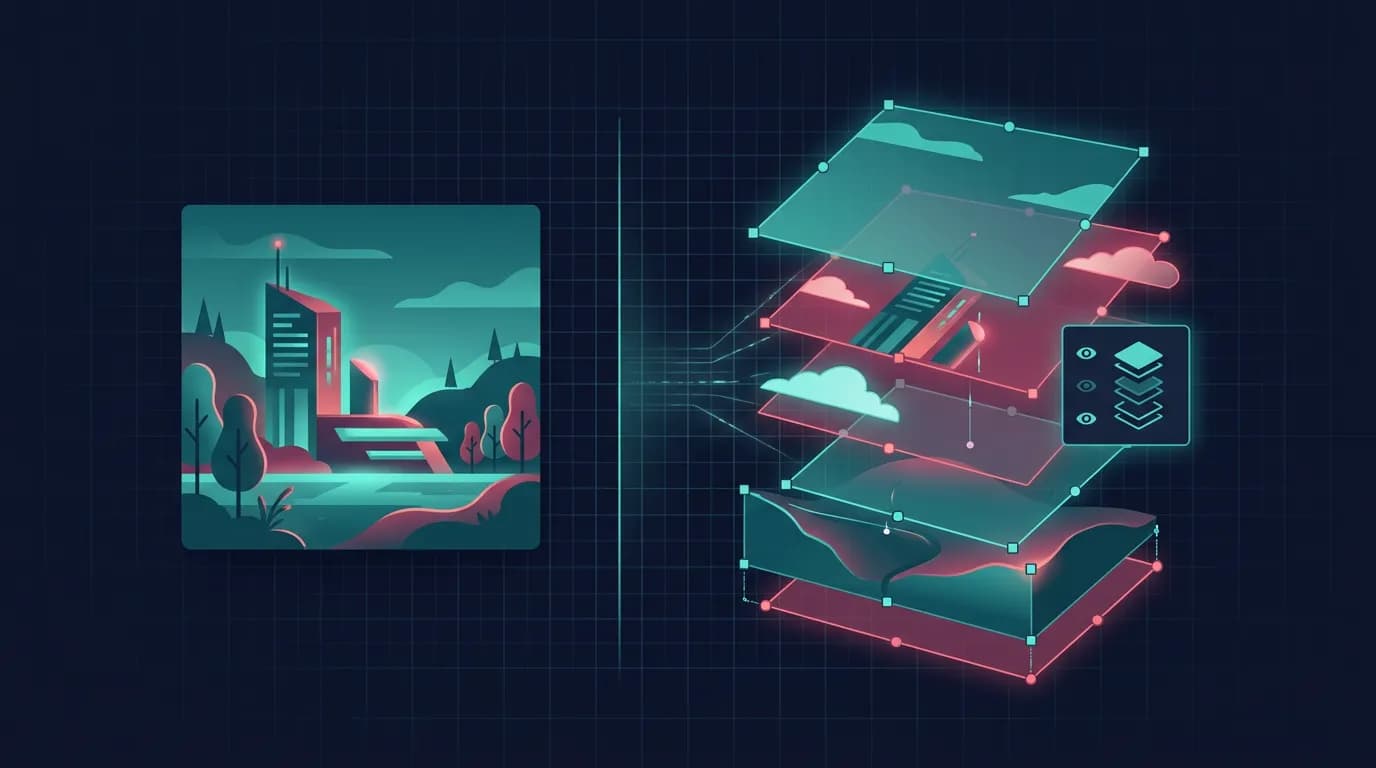
Canva says Magic Layers now turns ChatGPT-generated images into editable Canva designs without leaving the chat. Official-source guide to what changed, how Magic Layers works, supported PNG/JPG inputs, AI usage limits, best use cases, and the quality checks to run before publishing.
Read Article →Gemini API
Gemini 3.5 Live Translate is Google's public-preview Live API model for realtime speech-to-speech translation across 70+ languages. Official-source guide to model ID, Live API setup, PCM audio format, translationConfig, ephemeral tokens, limitations, SynthID, and rollout across Google AI Studio, Meet, and Translate.
Read Article →Model Release
Claude Fable 5 launched on June 9, 2026 as Anthropic's generally available Mythos-class model. Official-source breakdown of the launch thread, benchmark table, system card data, official images, pricing, safeguards, Opus 4.8 fallback, API behavior, and prompting changes.
Read Article →Claude Platform
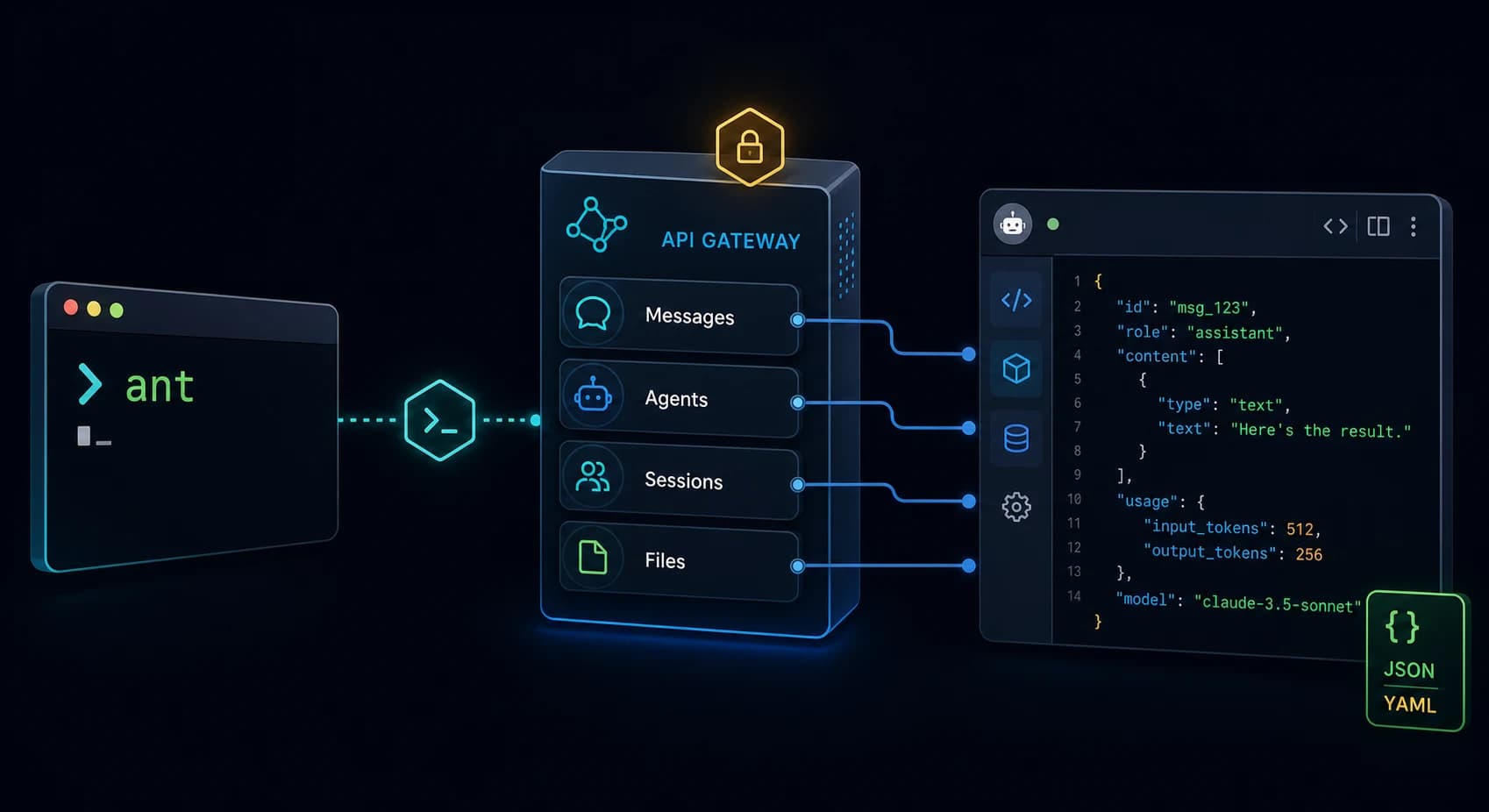
ClaudeDevs launched ant on June 2, 2026: a terminal-first CLI for Claude API endpoints, Managed Agents, JSON/YAML request bodies, GJSON transforms, workspace profiles, shell pipelines, and Claude Code workflows.
Read Article →AI Deep Dive
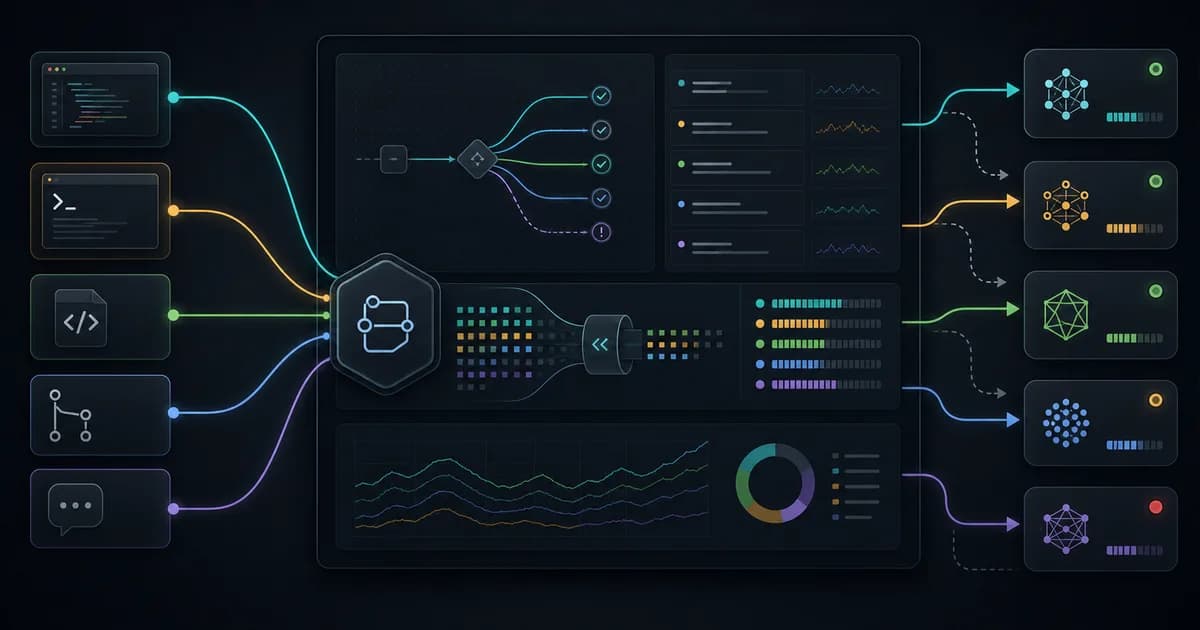
9Router is a local AI gateway for Claude Code, Codex, Cursor, Cline, Antigravity, and more. Setup, OpenAI-compatible routing, RTK token saving, fallback chains, provider/version caveats, credential risks, and verdict.
Read Article →AI Deep Dive
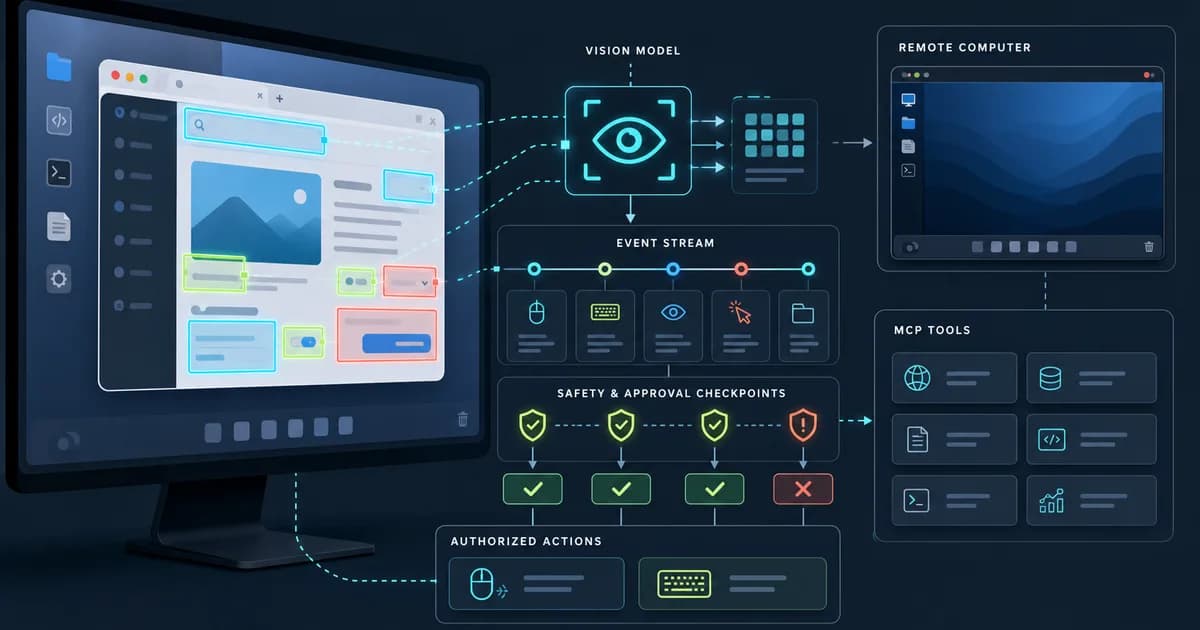
UI-TARS Desktop and Agent TARS combine multimodal GUI control, CLI/Web UI, browser and computer operators, MCP, event streams, VLM setup, release packaging caveats, approval gates, and security notes.
Read Article →AI Deep Dive
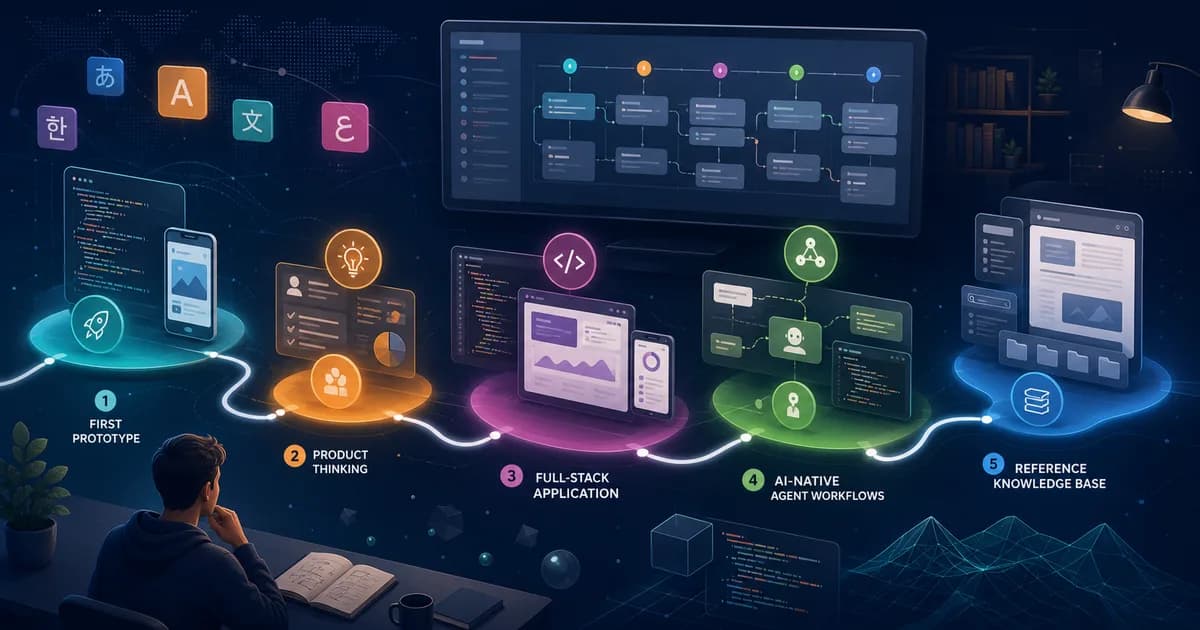
Easy-Vibe is a multilingual VitePress course for vibe coding, AI IDEs, product prototypes, full-stack apps, Claude Code, MCP, skills, agent teams, spec coding, translations, and contribution caveats.
Read Article →AI Deep Dive
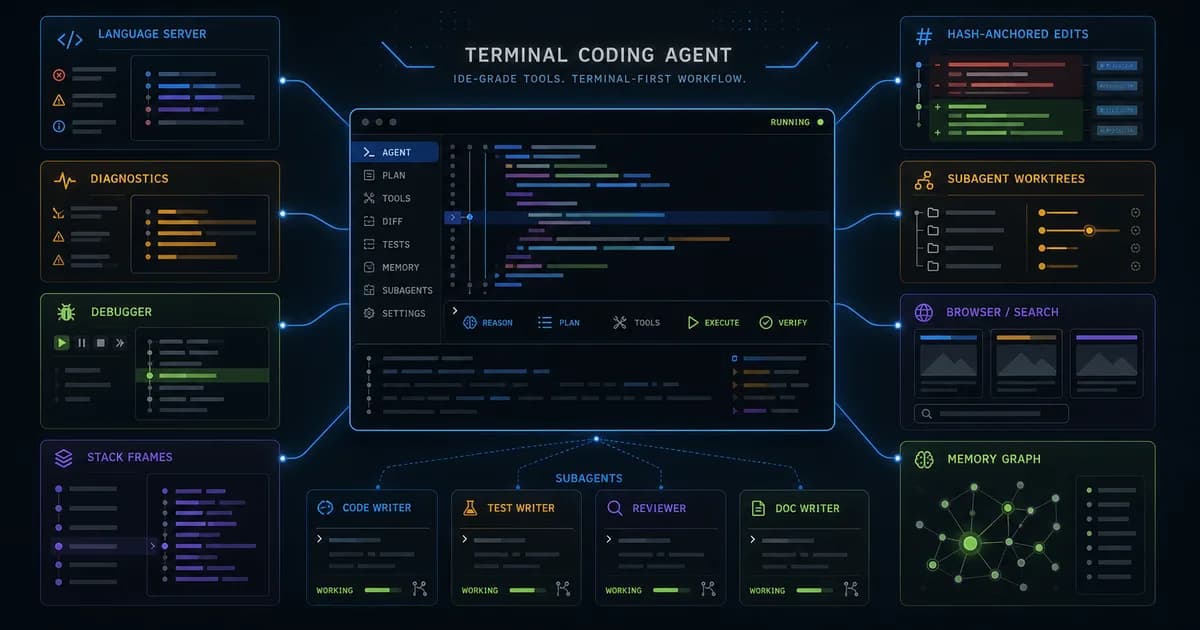
Oh My Pi is a terminal coding agent with hashline edits, LSP/DAP, Rust native tools, subagents, browser/search, GitHub paths, memory, provider routing, Bun requirements, and fast-release caveats.
Read Article →AI Deep Dive
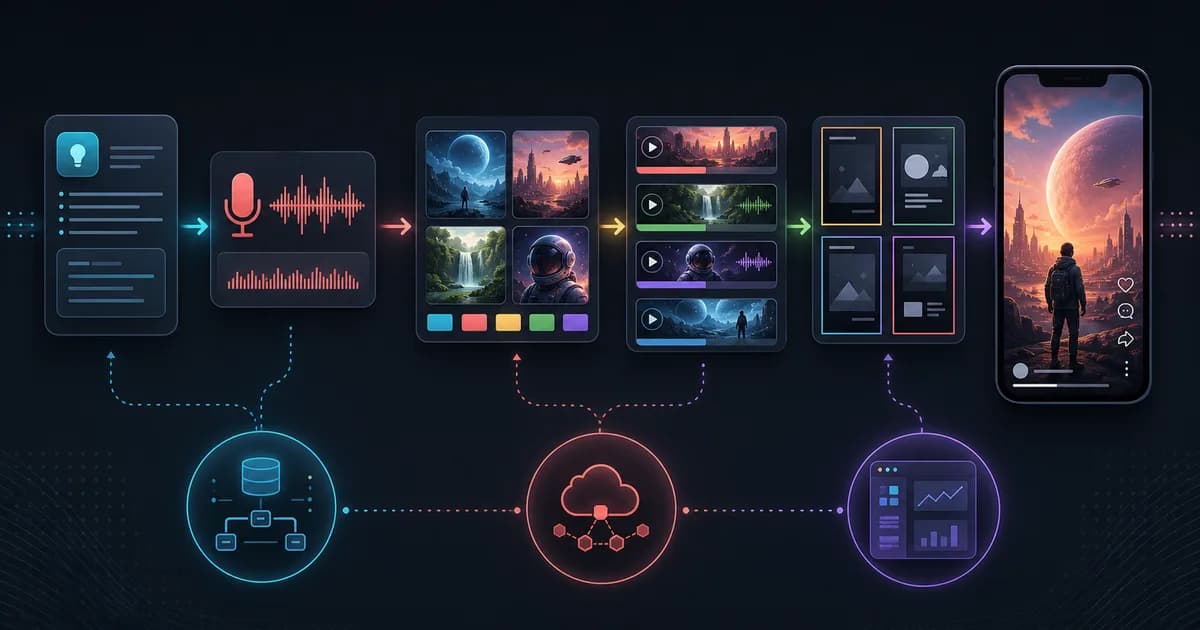
Pixelle-Video automates short-video creation with LLM scripts, TTS, Streamlit, FastAPI, ComfyUI/RunningHub, direct media APIs, templates, local setup caveats, and security notes.
Read Article →AI Deep Dive
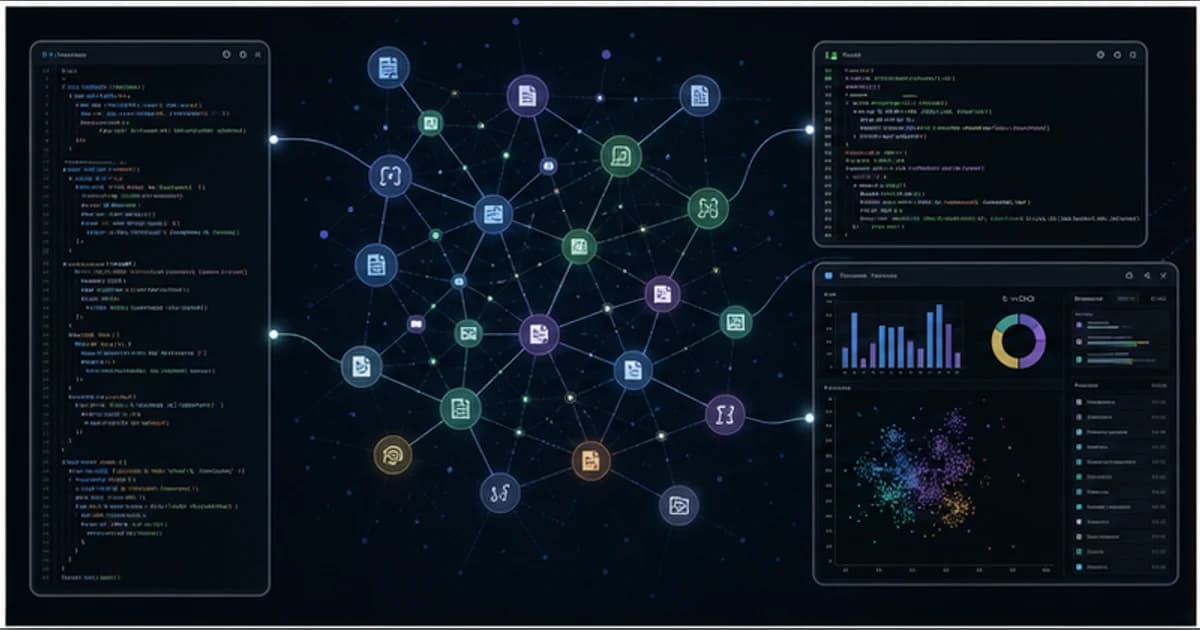
Understand Anything turns codebases, docs, and Karpathy-style wikis into interactive knowledge graphs for Claude Code, Codex, Cursor, Copilot, Gemini CLI, and more. Architecture, setup, batching, dashboard behavior, current graph-fidelity caveats, privacy notes, and verdict.
Read Article →AI Deep Dive
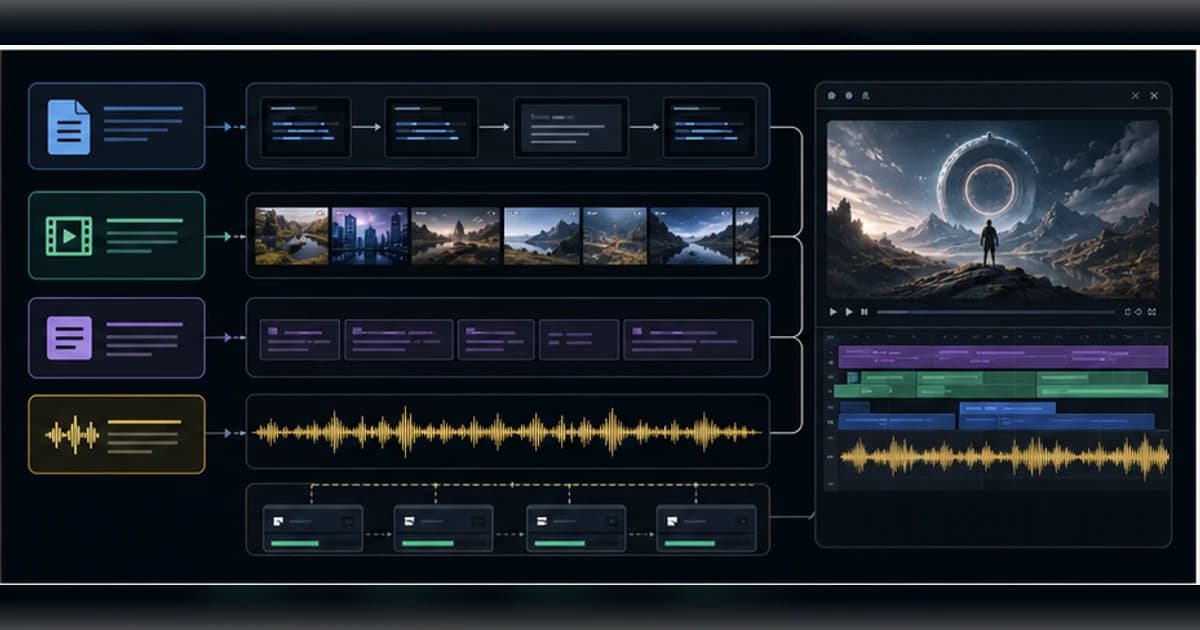
MoneyPrinterTurbo automates short-video drafts: scripts, search terms, stock footage, TTS, subtitles, music, WebUI, API, Docker, encoder fallbacks, provider setup, stock-media license caveats, and why human review still matters.
Read Article →AI Deep Dive
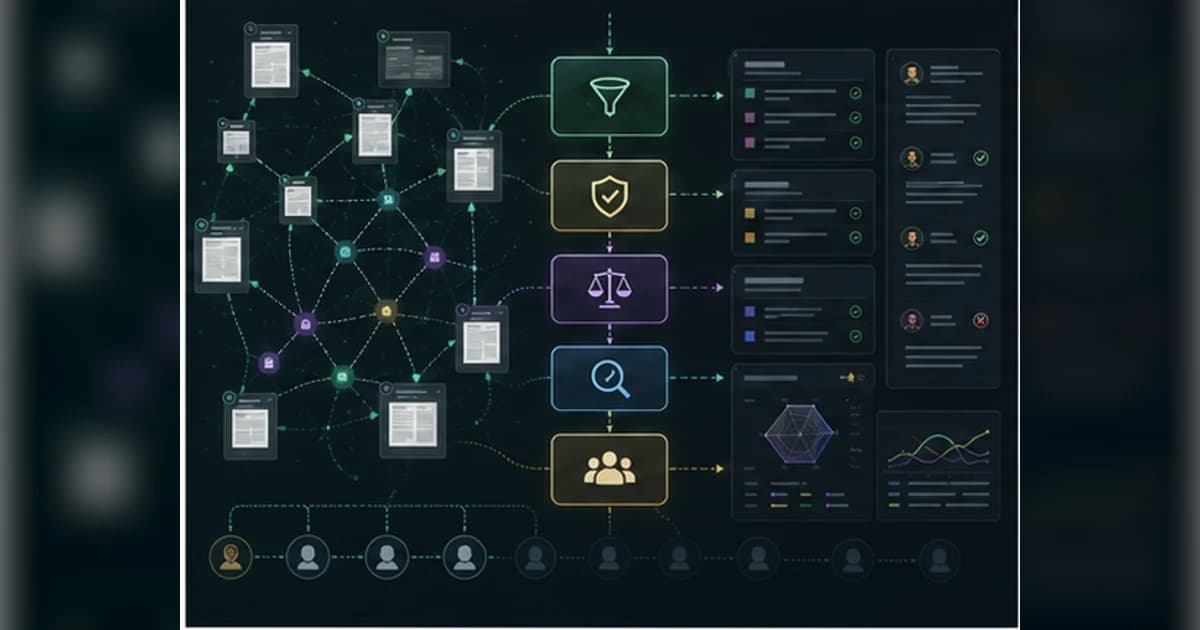
Academic Research Skills packages Claude Code workflows for literature review, paper writing, peer-style review, revision, formatting, disclosure, material passports, citation checks, and human-in-the-loop integrity gates.
Read Article →AI Deep Dive
AI Engineering From Scratch is a hands-on curriculum from math and ML to LLMs, agents, MCP, production infrastructure, safety, and capstones. We cover the lesson architecture, scripts, skills, caveats, and who should use it.
Read Article →AI Deep Dive
Matt Pocock's skills repo turns practical engineering habits into small agent workflows: setup, grilling, shared language, TDD, diagnosis, PRDs, issue slicing, architecture improvement, triage, prototyping, and handoffs.
Read Article →AI Deep Dive
CodeWhale is a Rust terminal coding agent for DeepSeek V4 and MiMo. Full breakdown of the dispatcher/runtime architecture, constitutional harness, approval modes, sub-agents, provider routing, cost model, active Windows/shell caveats, and the verdict.
Read Article →AI Deep Dive
Anthropic's finance repo is not a Python package; it is a file-based marketplace of Claude agents, skills, slash commands, Managed Agent cookbooks, MCP connectors, and Microsoft 365 setup tooling. Architecture, install commands, governance caveats, and current broken edges.
Read Article →AI Deep Dive
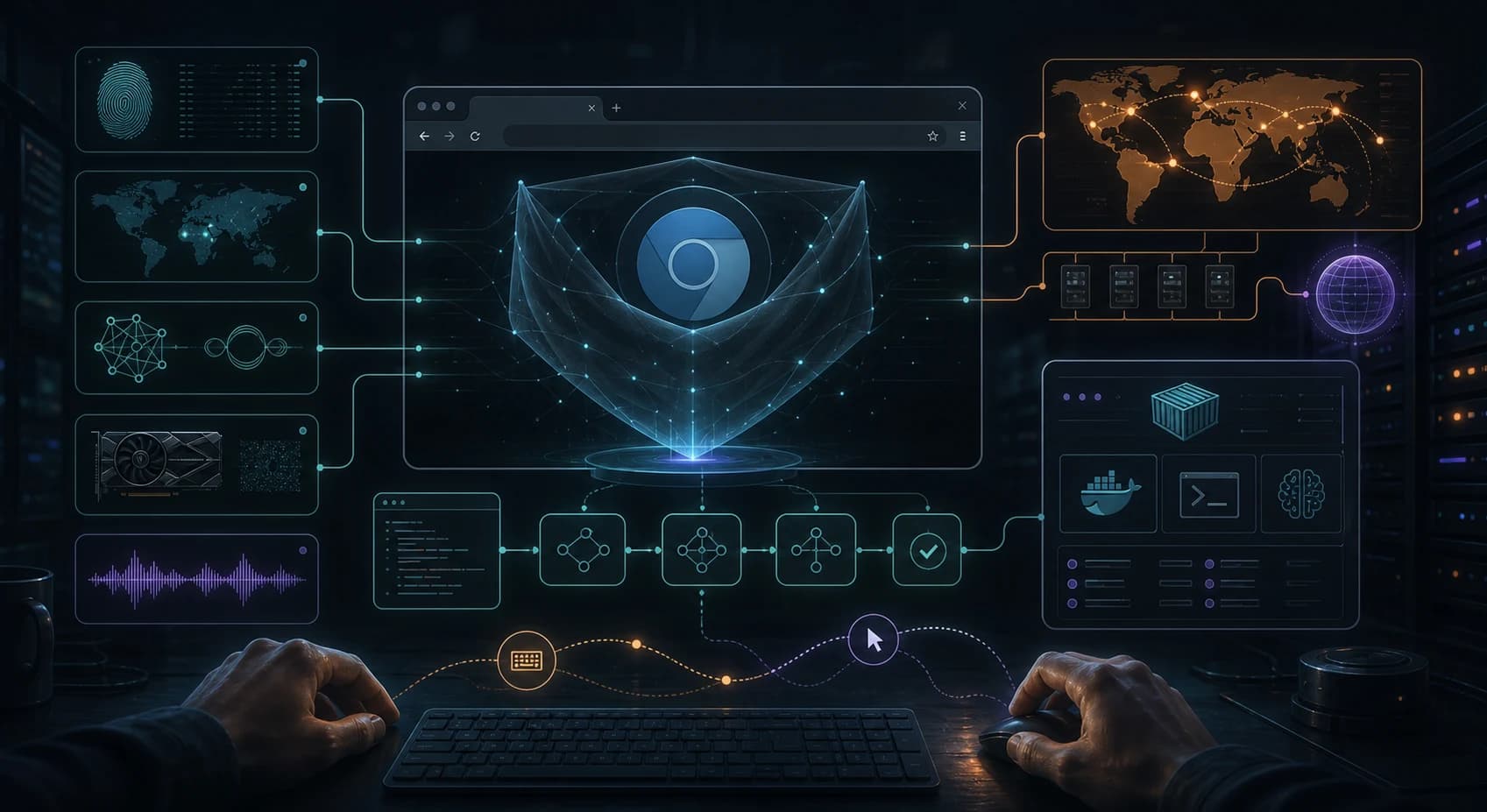
CloakBrowser wraps a patched Chromium binary behind familiar Playwright and Puppeteer APIs. We cover source-level fingerprint patches, proxy/GeoIP/WebRTC identity, persistent profiles, Docker/CDP serving, binary-license caveats, current detection issues, and the verdict.
Read Article →AI Deep Dive
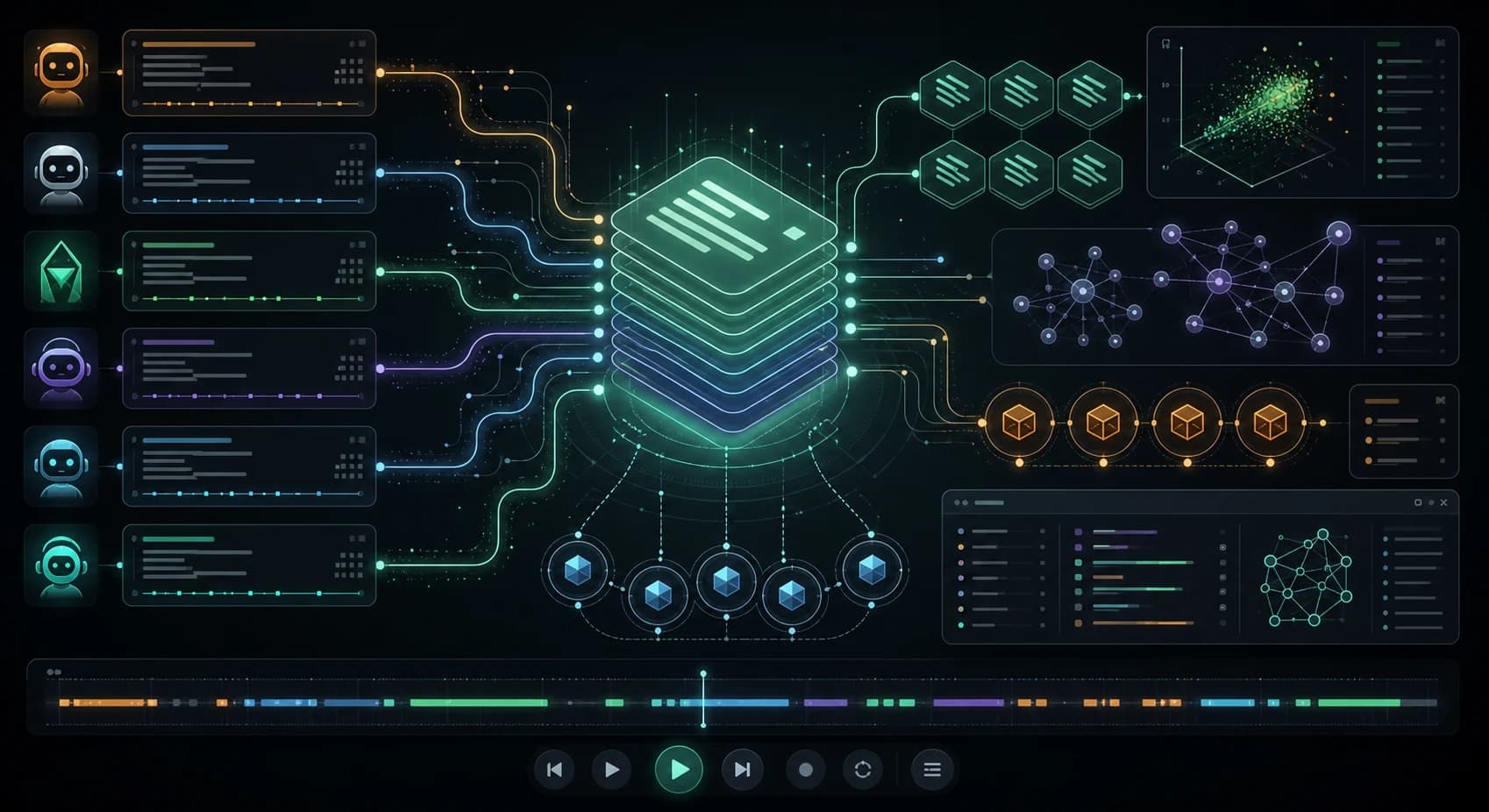
Agentmemory is a local memory runtime for coding agents: hooks, MCP, REST, observations, BM25/vector/graph search, bounded context, viewer replay, benchmark claims, LLM-provider caveats, large-graph issues, and the practical verdict.
Read Article →AI Deep Dive
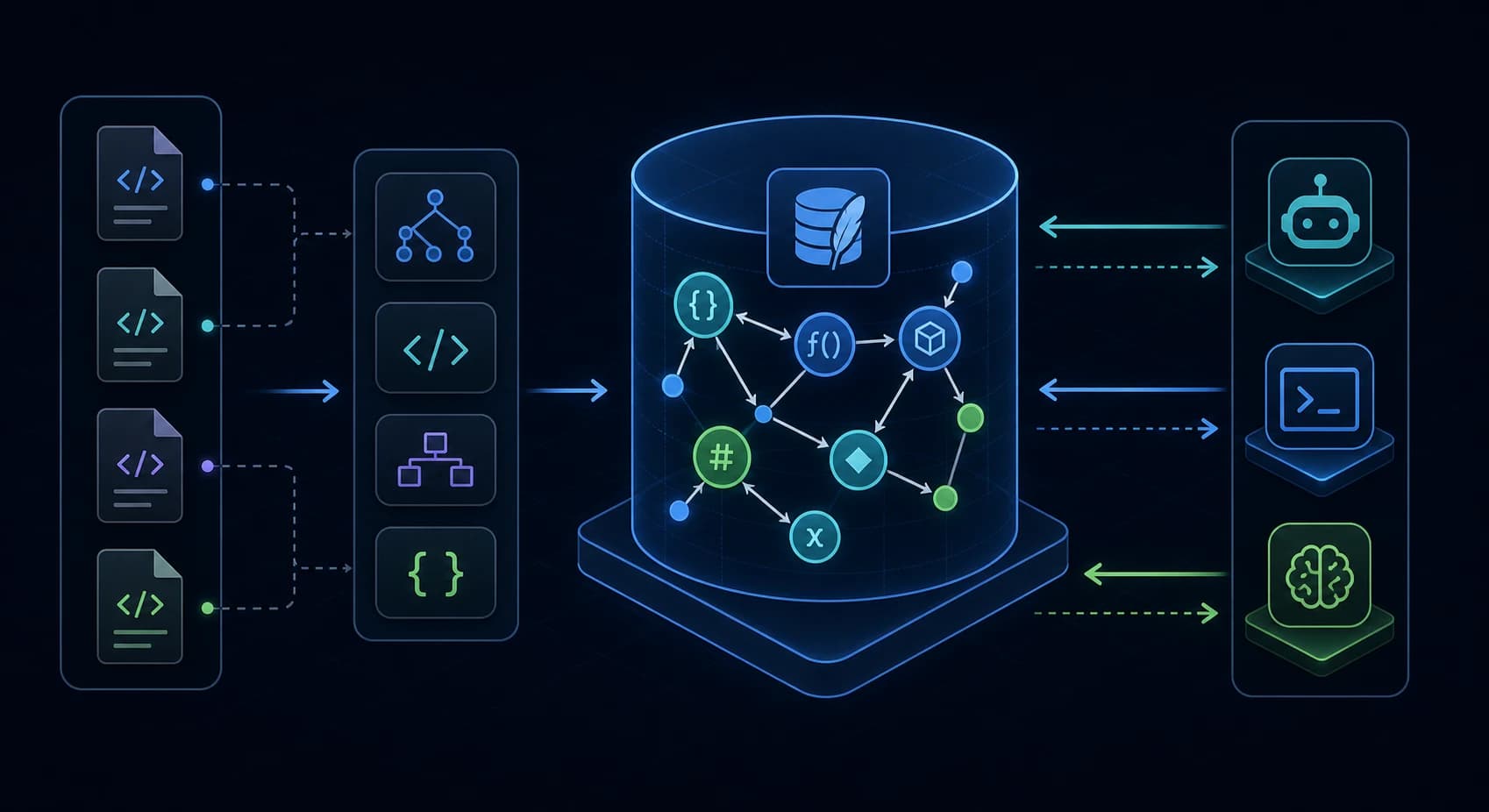
CodeGraph turns a repository into a local SQLite knowledge graph for Claude Code, Codex, Cursor, Antigravity, Kiro, Hermes, Gemini, and opencode. Architecture, setup, MCP tools, benchmark caveats, active issue risks, and the verdict.
Read Article →MCP Deep Dive
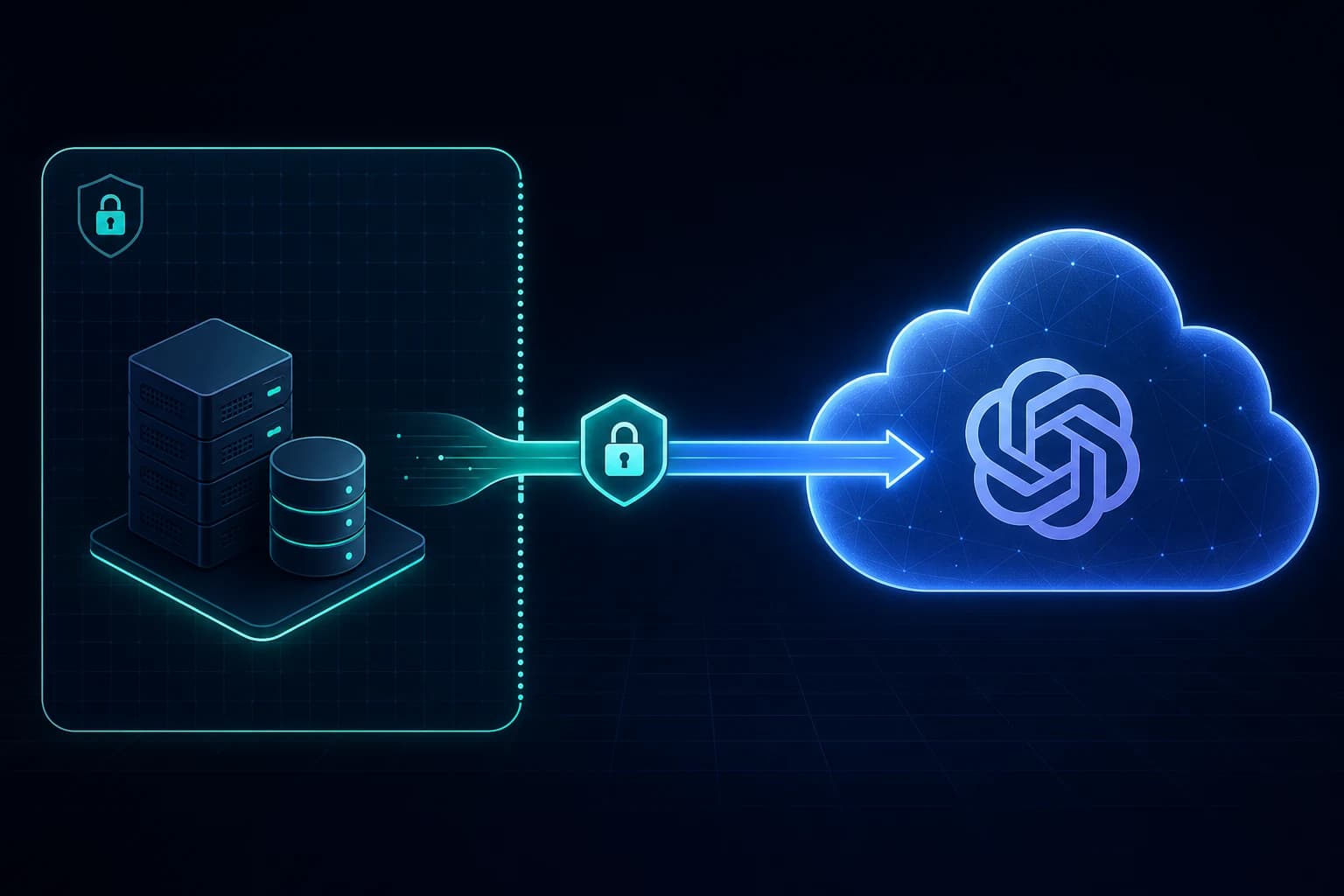
OpenAI shipped Secure MCP Tunnel on May 27, 2026: connect a private MCP server to ChatGPT, Codex, and the Responses API over outbound-only HTTPS, with no public URL and no inbound firewall rule. Full breakdown of the tunnel-client daemon, the setup commands, the permissions and security model, the OAuth caveat, and what a tunnel deliberately does not fix.
Read Article →Model Release
Anthropic launched Claude Opus 4.8 on May 28, 2026. Official-source breakdown of the launch post, system-card benchmarks, pricing, high effort default, 1M context, fast mode, dynamic workflows, and the safety caveats developers should not skip.
Read Article →Claude Code
Official-source guide to Claude Code dynamic workflows: what launched, how to run /deep-research, trigger custom workflows, use ultracode, save reusable commands, monitor runs, control cost, and disable the feature.
Read Article →API Migration
Move to claude-opus-4-8 safely: effort, adaptive thinking, no sampling params, mid-conversation system messages, 1,024-token prompt cache minimum, fast mode, and prompt updates for code review harnesses.
Read Article →Product Launch
At Google I/O 2026, Antigravity became a four-surface platform: a standalone desktop app, a new Go-based CLI that retires Gemini CLI on June 18, an SDK, a Managed Agents API, scheduled tasks, native voice, and Gemini 3.5 Flash as the default. Full breakdown of every piece, the new $100 Ultra tier, day-one rollout issues, and what changed from v1.
Read Article →Platform Launch
Google replaced Gemini CLI with Antigravity CLI on May 19, 2026. Full developer breakdown of the four-surface platform, the Go rewrite, the shared agent harness with Antigravity 2.0, install paths, SSH auth, plugin migration, MCP and skills file locations — all sourced from the official Google docs and the GitHub repo.
Read Article →Migration Guide · Deadline June 18
Google sunsets Gemini CLI for Google AI Pro, Ultra, and free Gemini Code Assist users on June 18, 2026. Step-by-step migration: install, auth (including SSH), agy plugin import gemini, MCP and skills file moves, the url → serverUrl rename, and a rollback plan. Enterprise carveout explained.
Read Article →AI Deep Dive
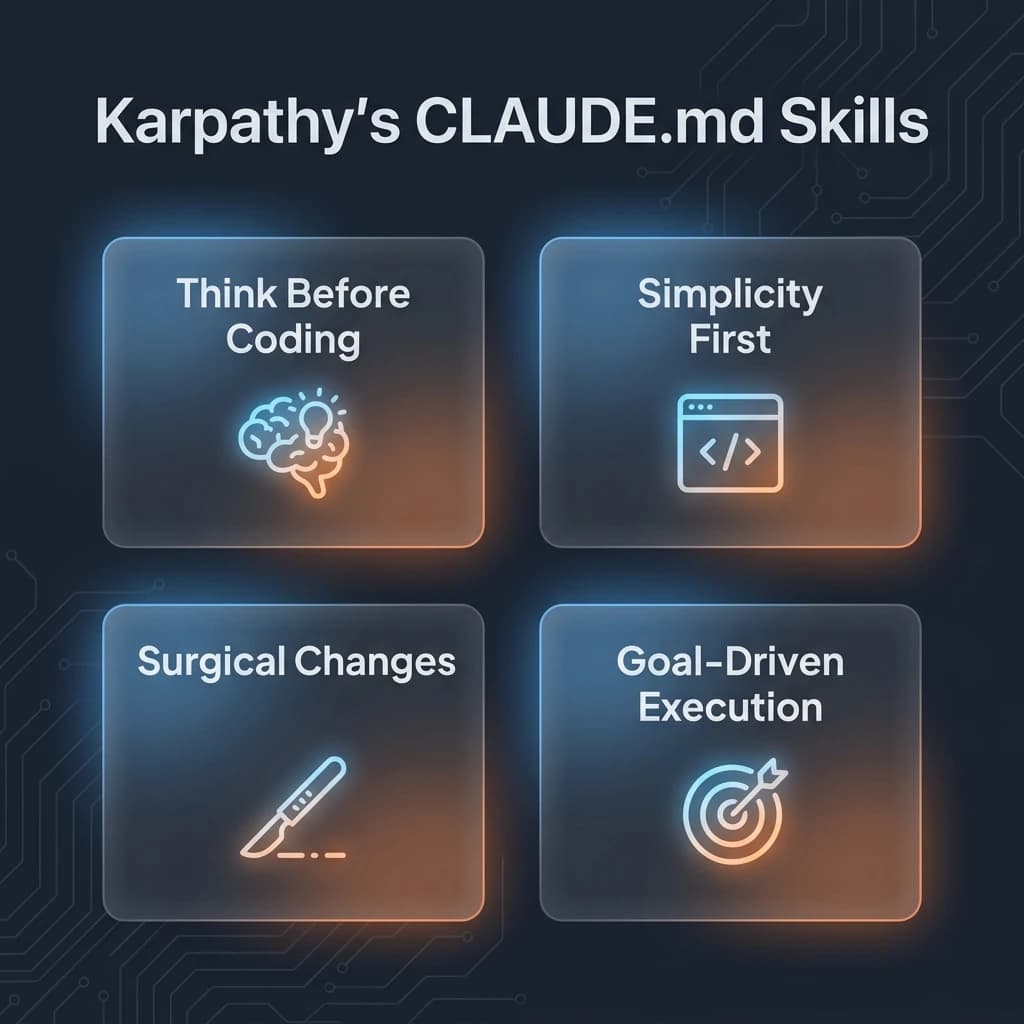
Karpathy's 4 CLAUDE.md rules went viral (120K stars) and cut Claude mistakes from 41% to 11%. @mnilax tested it across 30 codebases for 6 weeks, then added 8 more rules. Full 12-rule breakdown, the 4 places the original template silently breaks, and how it maps to Antigravity's GEMINI.md.
Read Article →Claude Code Skills
blader/humanizer is a 16k-star Claude Code and OpenCode skill that detects 29 AI-writing patterns from Wikipedia's Signs of AI writing guide and rewrites them. Full breakdown of every pattern, the voice-calibration option, and the built-in two-pass audit.
Read Article →AI Deep Dive
The most comprehensive open-source playbook for Claude Code. Maps every primitive (agents, commands, skills, hooks, MCP) and pairs each with 80+ field-tested tips from Boris Cherny, Thariq, Cat Wu, and Karpathy. Full section-by-section breakdown.
Read Article →AI Deep Dive
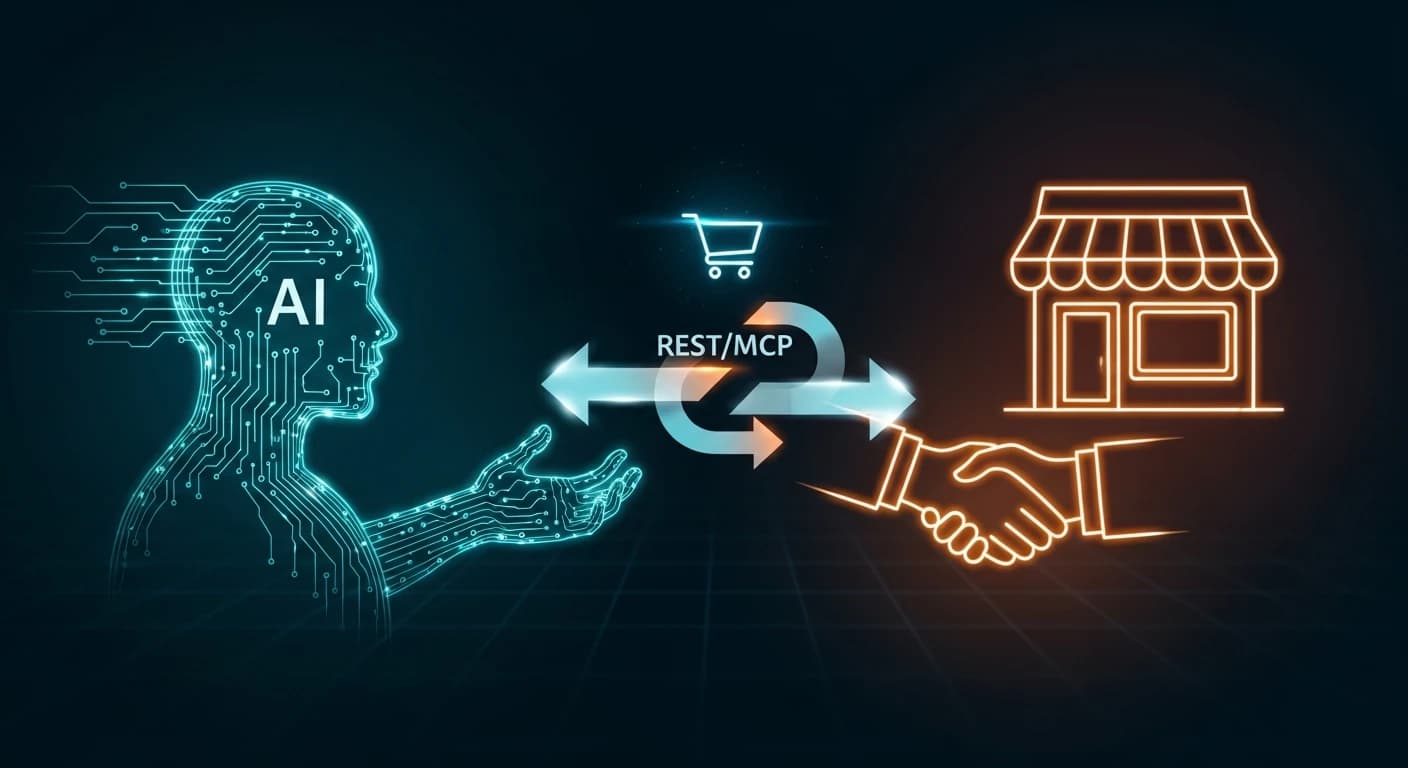
UCP is the Apache-2.0 spec co-developed by Google and Shopify that lets AI agents and merchants negotiate Checkout, Cart, Catalog, and Orders over REST, MCP, A2A, or embedded. Architecture, well-known profile, and where it sits next to ACP and AP2.
Read Article →AI Deep Dive
GenericAgent gives any LLM nine atomic tools, a five-layer on-demand memory, and a self-evolution loop that crystallizes verified trajectories into reusable skills — with a published 6× lower token claim on Lifelong AgentBench. Full breakdown of the architecture and the open questions.
Read Article →Security
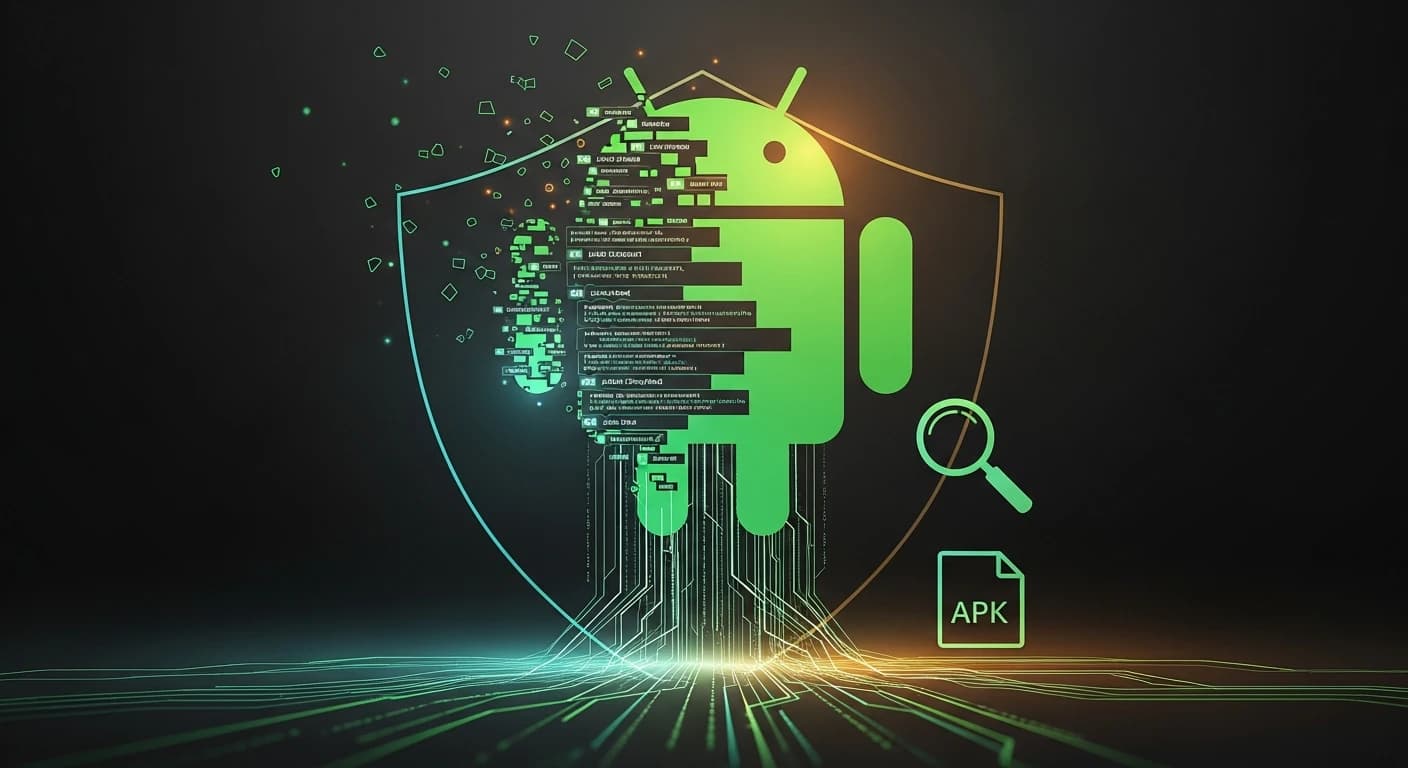
A Claude Code plugin that wires jadx, Vineflower, and dex2jar into a five-phase audit workflow for APK analysis. Lawful-use scoping, real PRs and issues, and where it fits in the defensive Android security toolchain.
Read Article →AI Deep Dive
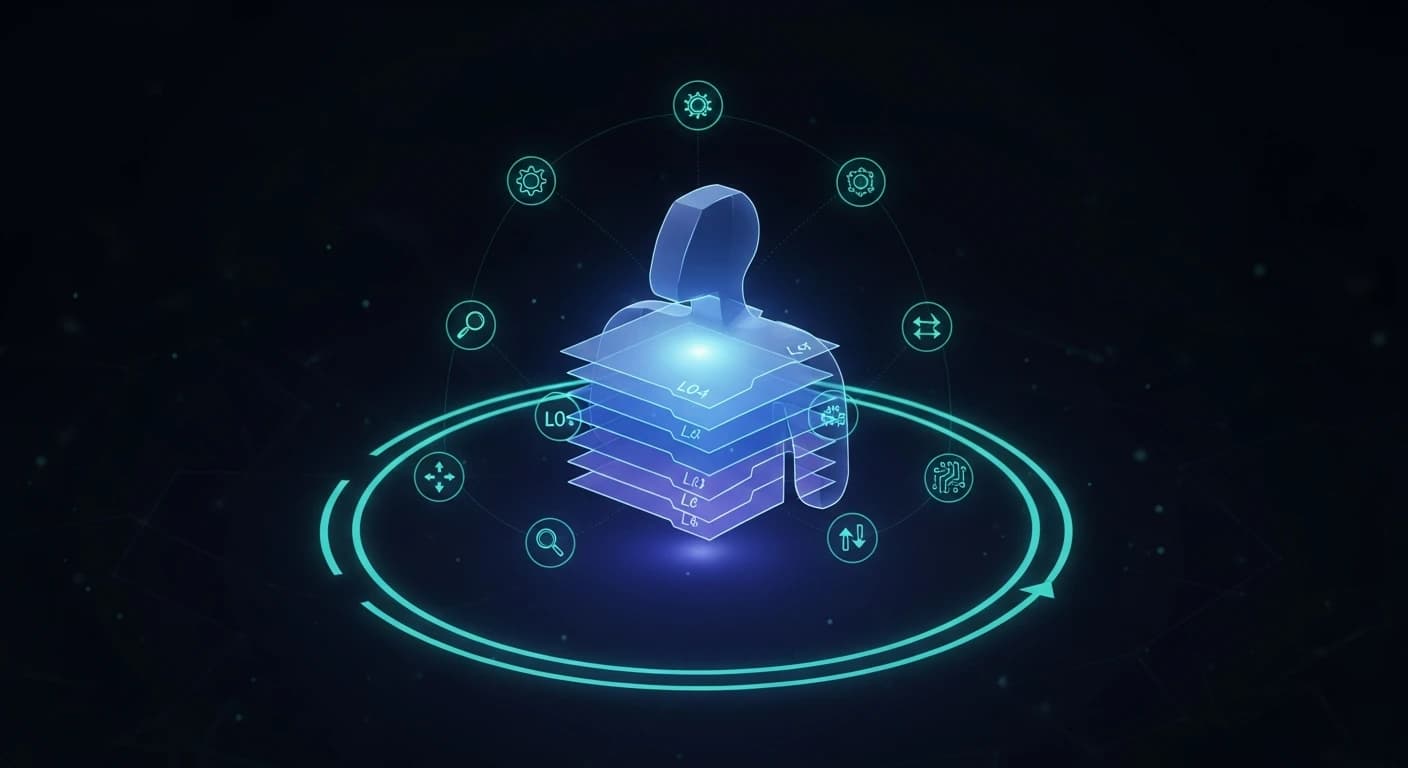
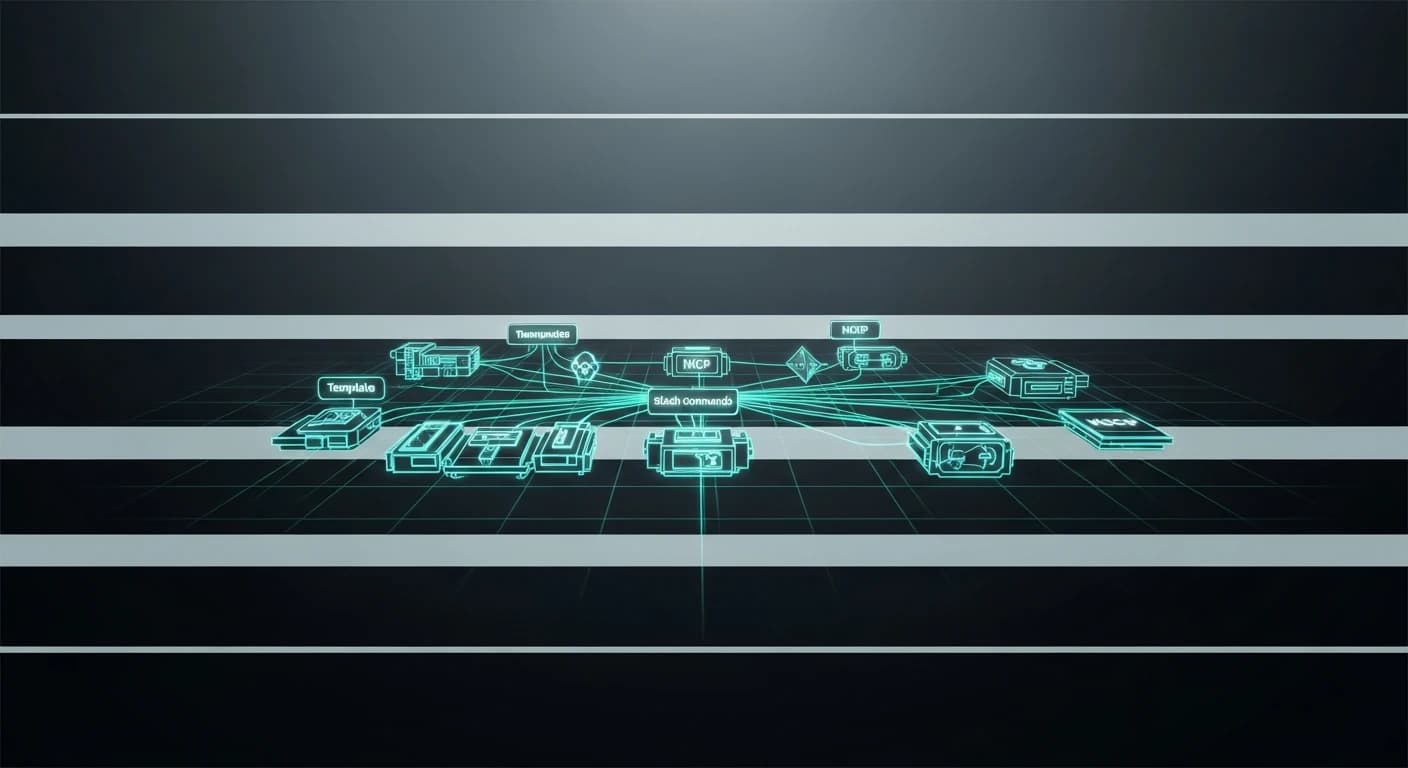
ArcKit is a five-layer architecture toolkit (templates, slash commands, agents, MCP, hooks) for Claude Code, Cursor, Codex, and more. Wardley mapping engineering, UK Gov compliance scaffolding, and where the hook layer earns its keep.
Read Article →AI Deep Dive
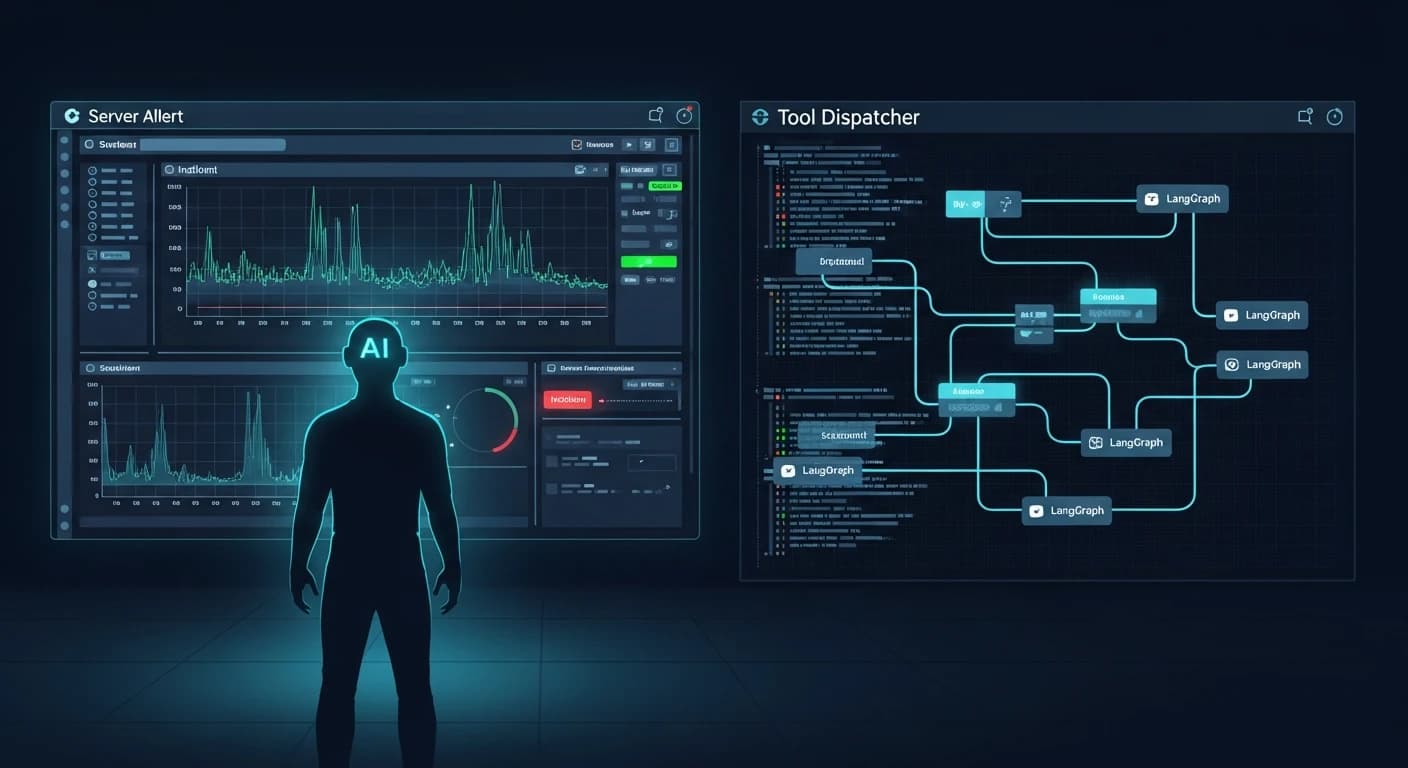
OpenSRE is the open RL environment for training and evaluating AI SREs — a LangGraph investigation loop, a tool dispatcher, eval suites, and integration shims. Full breakdown of the architecture, the live bugs, and the verdict.
Read Article →AI Deep Dive
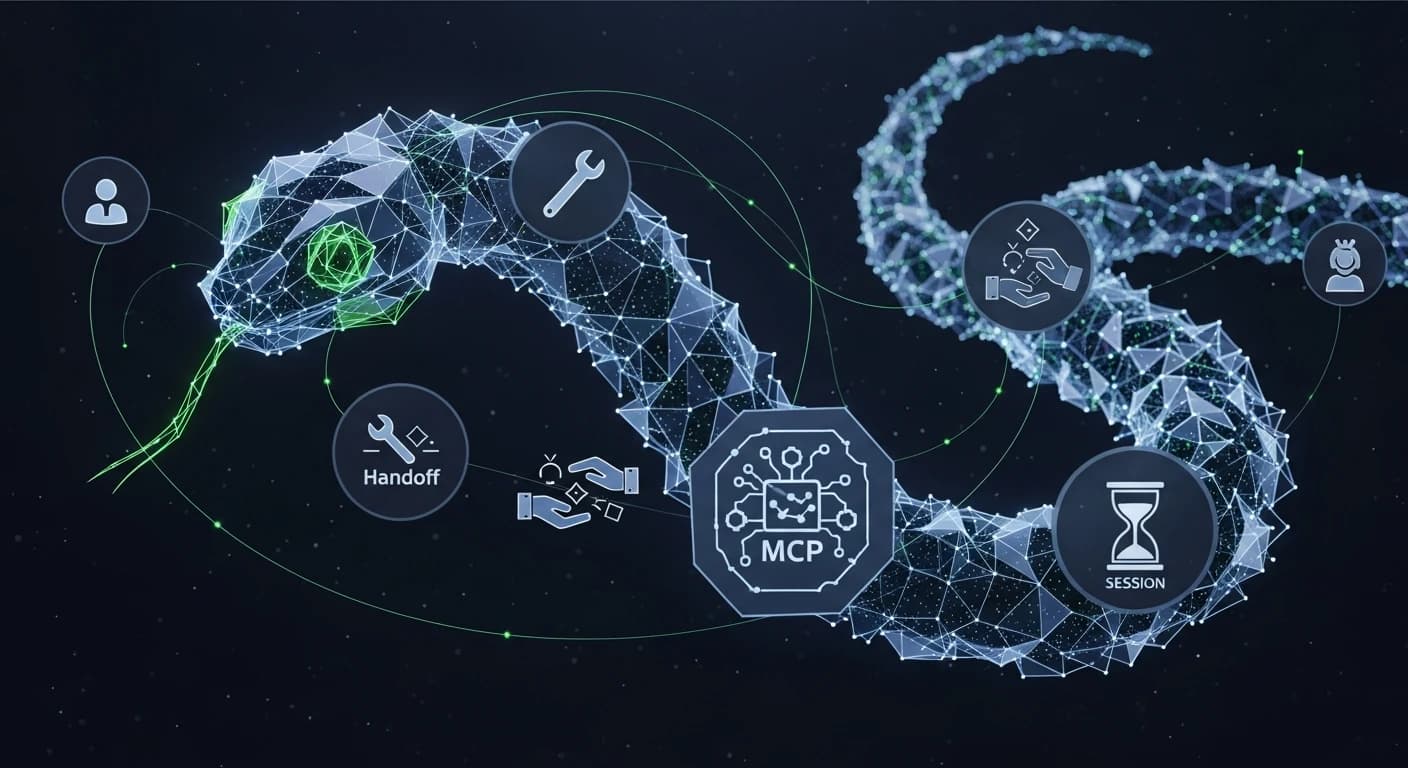
OpenAI's official agents SDK gives you primitives, handoffs, sandboxed tools, sessions, MCP, and tracing. Compared honestly to LangGraph, CrewAI, and PydanticAI, with the smallest end-to-end example and a clear use-it-if/skip-it-if verdict.
Read Article →AI Deep Dive
DeepGEMM is DeepSeek's JIT-compiled FP8/FP4 GEMM kernel library covering fine-grained scaling, grouped GEMMs for MoE, V3.2 lightning indexer kernels, and the April 2026 Mega MoE release. Full architecture and where it sits next to CUTLASS and cuBLAS.
Read Article →AI Deep Dive
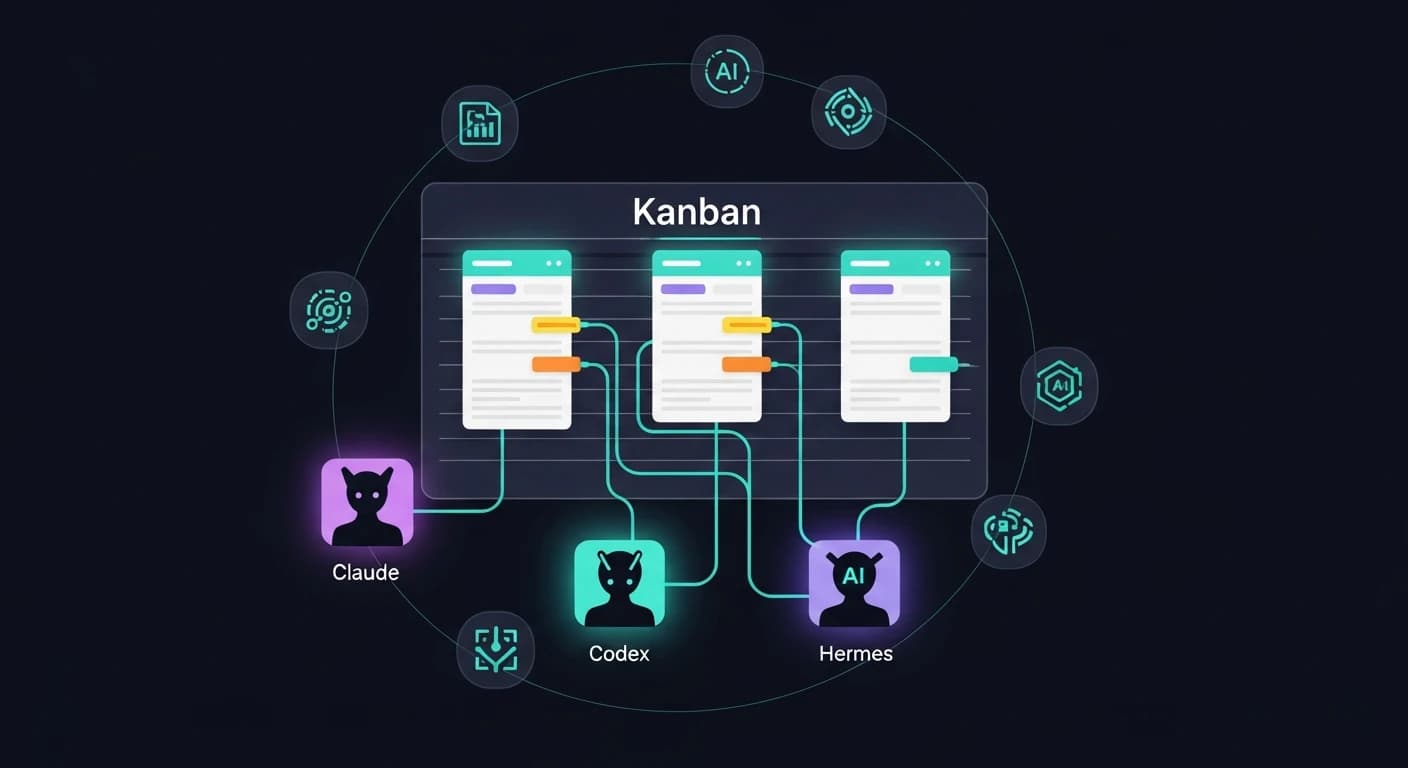
Multica turns CLI agents like Claude Code, Codex, and Hermes into board-assignable teammates with a real task lifecycle and reusable skills. Architecture, the live April issue tracker, and an honest verdict on production readiness.
Read Article →AI Deep Dive
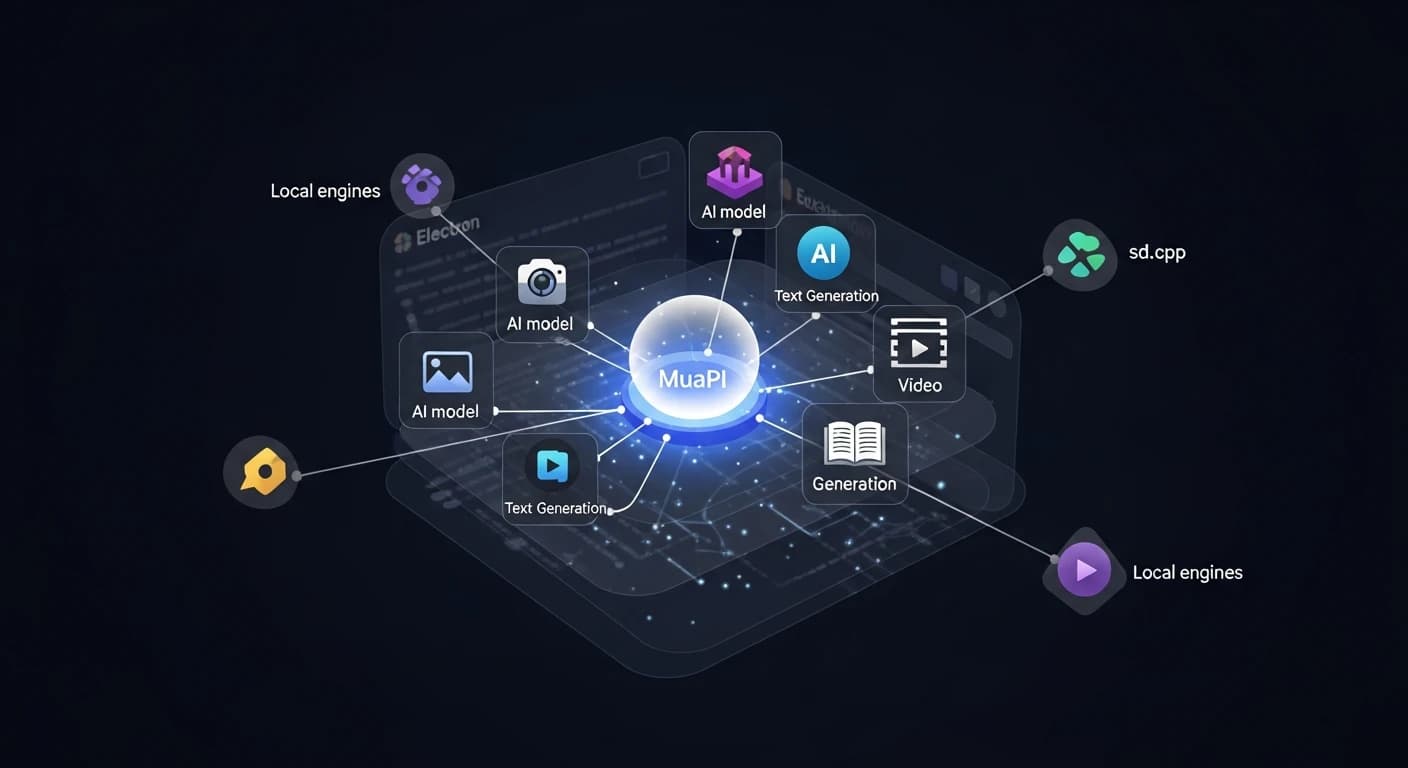
A Next.js/Electron shell over the paid MuAPI gateway plus optional sd.cpp and Wan2GP local engines. Honest treatment of the “free” framing, the engineering debt in closed issues, and when this is actually the right hub for you.
Read Article →AI Deep Dive
Claude Context wires Milvus or Zilliz Cloud into Claude Code as an MCP server for semantic search across large codebases. Merkle-DAG sync, hybrid BM25 + dense retrieval, real production bugs, and the cost trade-offs vs grep.
Read Article →AI Deep Dive
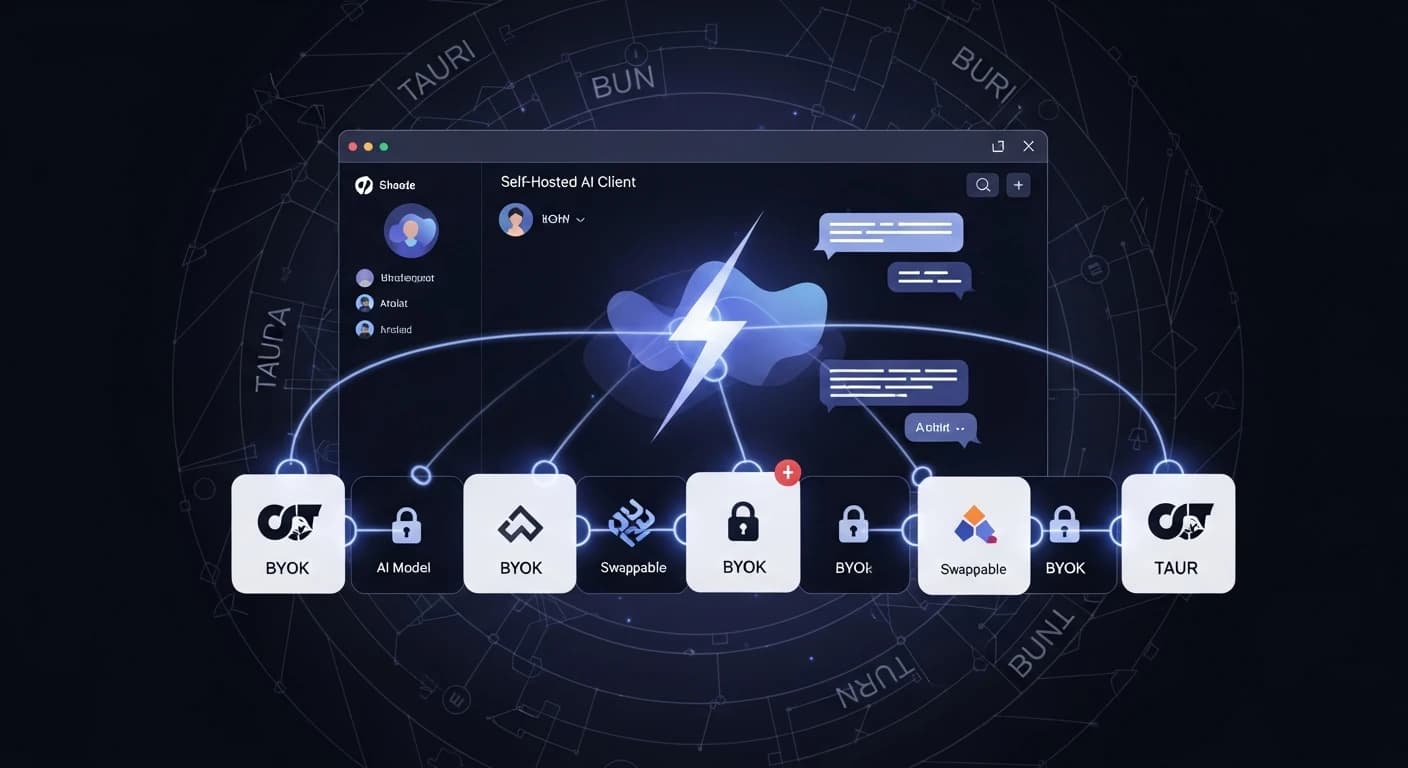
Thunderbolt is MZLA's open-source, self-hostable, model-agnostic AI client — not a Thunderbird email app. Tauri/Bun/Elysia/PowerSync architecture, BYOK + MCP model layer, real self-host friction, and how it stacks up against ChatGPT and Open WebUI.
Read Article →AI Deep Dive
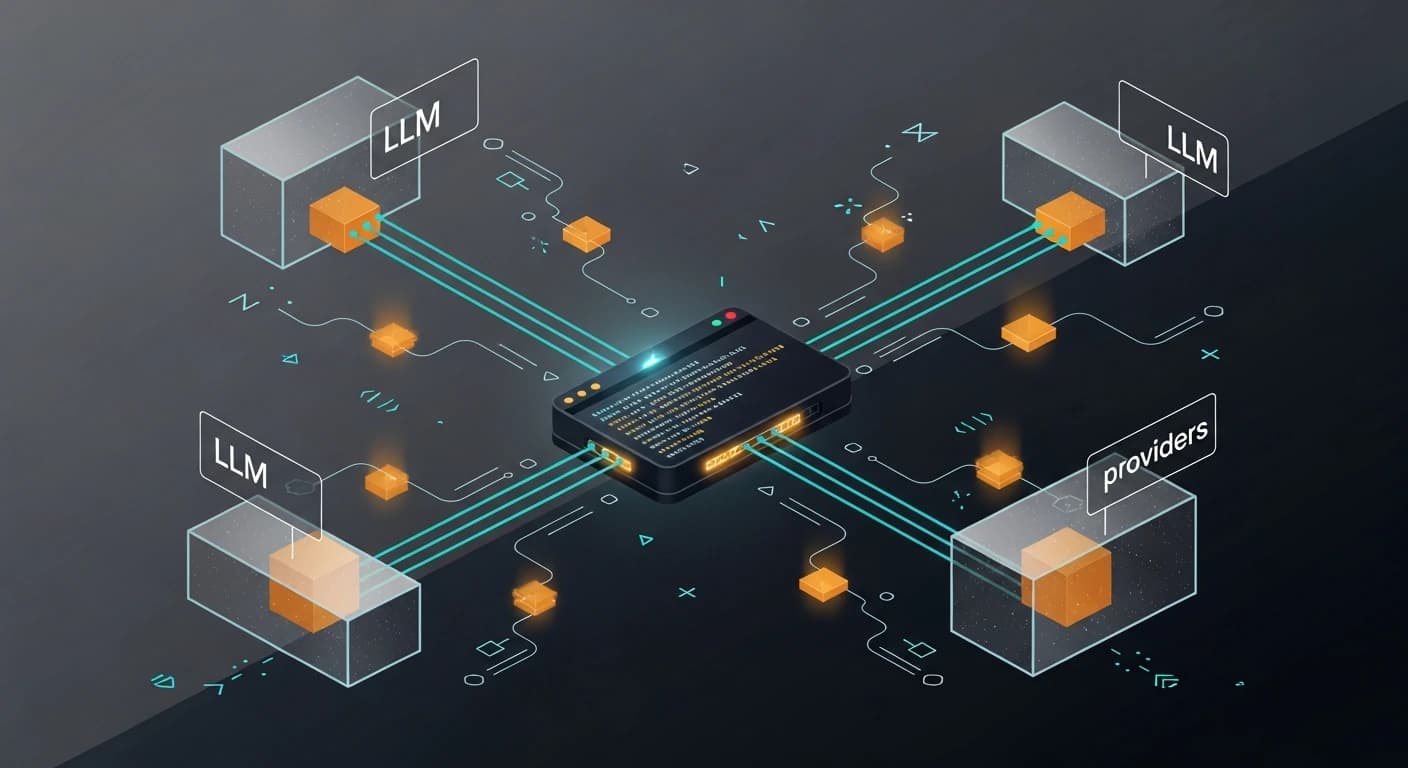
An open-source proxy that routes Claude Code's API calls to NVIDIA NIM, OpenRouter, DeepSeek, or local models — keeping the harness, swapping the model. Full architecture breakdown, setup guide, and honest verdict on where it works and where it doesn't.
Read Article →AI Deep Dive
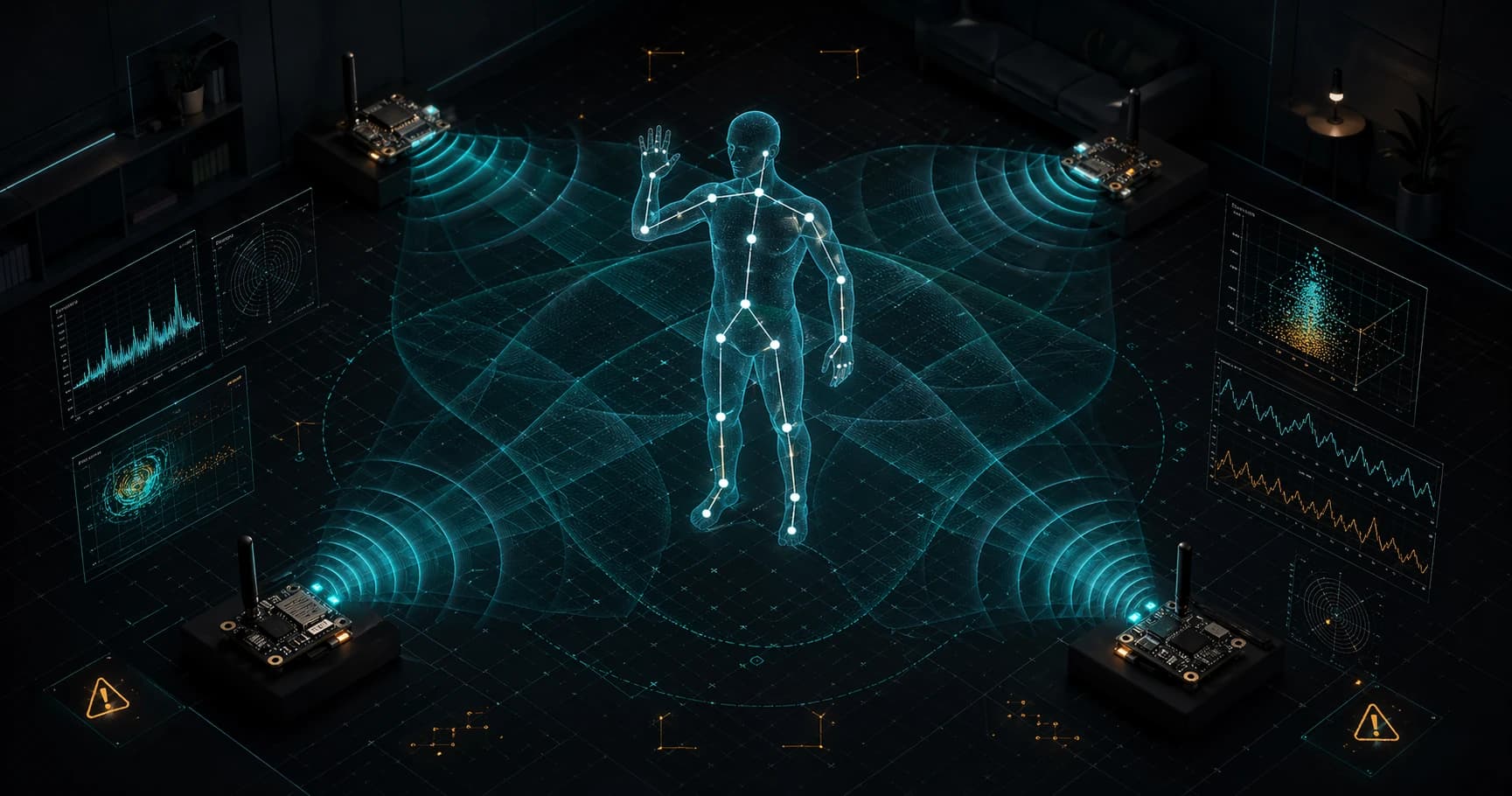
RuView promises pose, presence, and vital sensing from WiFi CSI. Full breakdown of the repo, hardware path, research lineage, and the skepticism around its biggest claims.
Read Article →AI Deep Dive
HyperFrames turns plain HTML, CSS, GSAP, Puppeteer, and FFmpeg into deterministic local video rendering. Full breakdown of the architecture, workflow, and when it beats Remotion for agent-driven production.
Read Article →AI Deep Dive
Hermes Agent blends persistent memory, open-standard skills, messaging gateways, cron, MCP, and safer execution backends into one long-running agent stack. Full breakdown of what it gets right and where it is still rough.
Read Article →AI Deep Dive
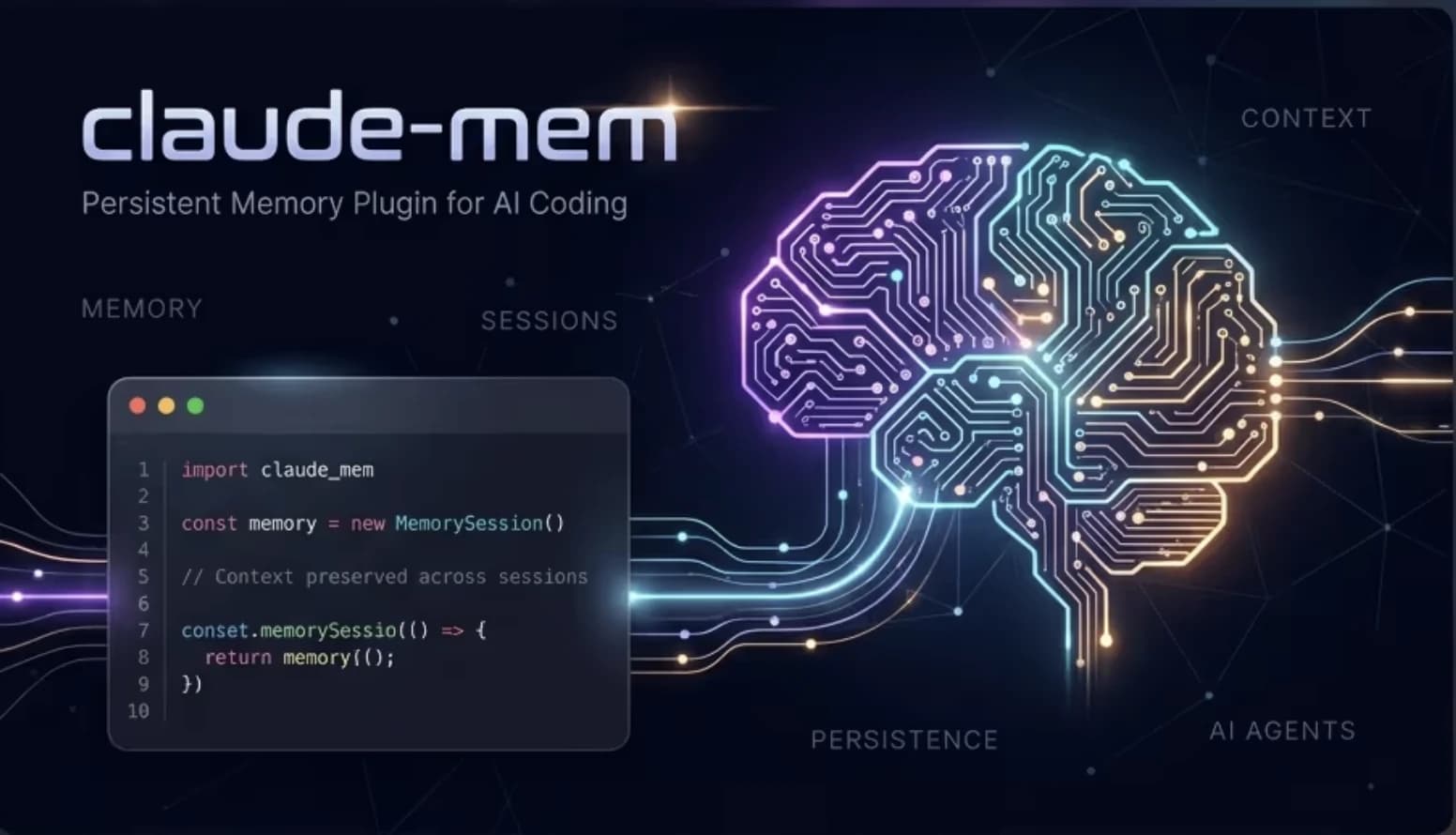
Your AI coding agent forgets everything between sessions. Claude-Mem fixes that — automatically capturing tool usage, compressing observations, and injecting context into future sessions. Full architecture deep-dive, installation guide, and community reactions.
Read Article →AI Deep Dive
A single CLAUDE.md file became one of the fastest-growing repos on GitHub. It turns AI coding agents from overconfident juniors into disciplined engineers — using four principles from Andrej Karpathy's observations on LLM pitfalls. Full breakdown with examples.
Read Article →AI Deep Dive
Karpathy's viral LLM Knowledge Bases tweet got a follow-up: a GitHub gist laying out the full architecture. We go through it word by word — every concept, tool, and technique — with implementation examples and code.
Read Article →Guide
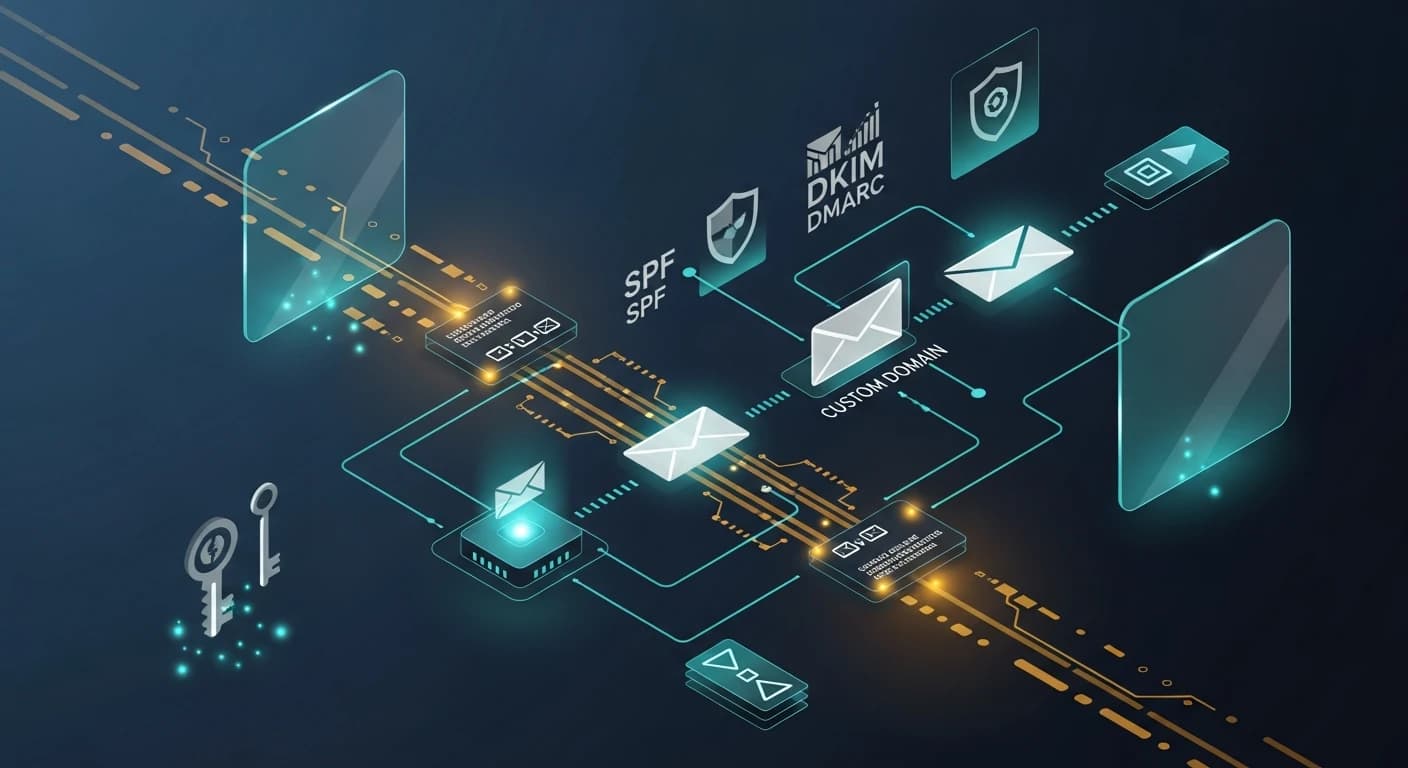
Send and receive emails from your custom domain completely free. Step-by-step guide with Cloudflare Email Routing, Brevo SMTP, and Gmail — with full SPF, DKIM, DMARC for maximum inbox deliverability.
Read Article →AI News
Andrej Karpathy now spends more tokens manipulating knowledge than code. Full breakdown of his LLM wiki compiler workflow, tools, and how to build your own.
Read Article →Workflow
Reduce wasted AI iterations by 70%. Write implementation specs before coding and save tokens with the spec-first methodology.
Read Guide →Tools Guide
Track quota in real-time with the Health Dashboard extension, fuelcheck CLI, and weekly budgeting strategies across AG, Claude, and Gemini.
Read Guide →Beginner Guide
Build real apps without coding experience. From first prompt to first project — the complete beginner's walkthrough.
Read Guide →Guide
Community-rated GEMINI.md examples, token cost analysis, and the decision matrix for Skills vs Rules vs AGENTS.md.
Read Guide →Advanced Guide
Run 16 specialized agents in parallel with AgentKit 2.0. Agent Manager, model-per-agent setup, and orchestration patterns.
Read Guide →Models & Integration
Antigravity does not accept Ollama or BYOK as its reasoning model. Learn what is supported and how a local service can become a narrower MCP tool.
Read Guide →Developer Tutorial
Cut agent tool calls from 30 to 1. Build a custom MCP server with TypeScript, Zod validation, and the MCP SDK.
Read Tutorial →Installation Guide
Fix every WSL2 issue: broken launcher, OAuth time drift, sandbox mode, memory management, and performance optimization.
Read Guide →Guide
Roll back to a stable version on Mac, Windows, or Linux and bypass the auto-updater. Known stable versions and bug reference.
Read Guide →Troubleshooting
Your prompt sends but nothing happens. No error, no response. Corrupted cache, extension conflicts, silent quota exhaustion, and more.
Read Fix Guide →Tutorial
Four methods: SSH tunnels, Docker containers, MCP bridges, and cloud workstations. Plus fixes for port conflicts and latency on remote setups.
Read Tutorial →Security
After a developer lost their entire D: drive to a single Gemini command, here's the complete safety guide: sandbox mode, blocklists, git workflows, and backup strategies.
Read Guide →Tutorial
Practical guide to Agent Skills: install from Awesome Skills repo, fix WSL2 errors, create custom SKILL.md files, and keep your agent fast with 1,300+ skills.
Read Tutorial →Investigation
Community evidence shows UI displaying Gemini 3.1 Pro while the model self-reports as 2.5 Pro. What's happening, how to verify, and what it means for paid users.
Read Investigation →Workflow
The complete model fallback chain from Opus to Sonnet to Gemini Pro to Flash to CLI. Switch mid-conversation, plan your weekly budget, and never lose momentum.
Read Guide →Comparison
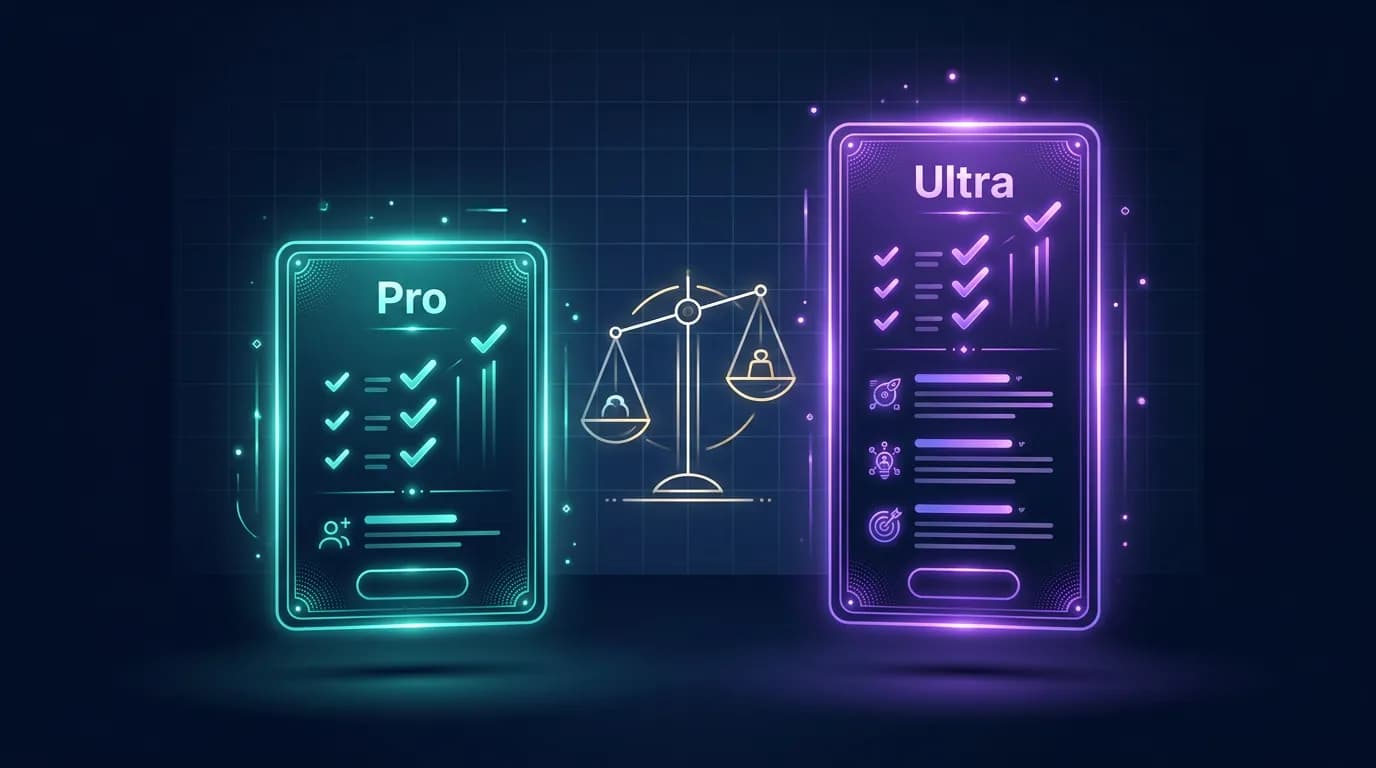
Feature-by-feature breakdown, real-world usage data, cost-per-task analysis, and the break-even math. When Ultra is worth $250/mo and when Pro is enough.
Read Comparison →Tutorial
Why AI generates ugly UI by default and how to fix it. DESIGN.md patterns, component libraries, iterative prompting, and Google Stitch integration.
Read Tutorial →Explainer
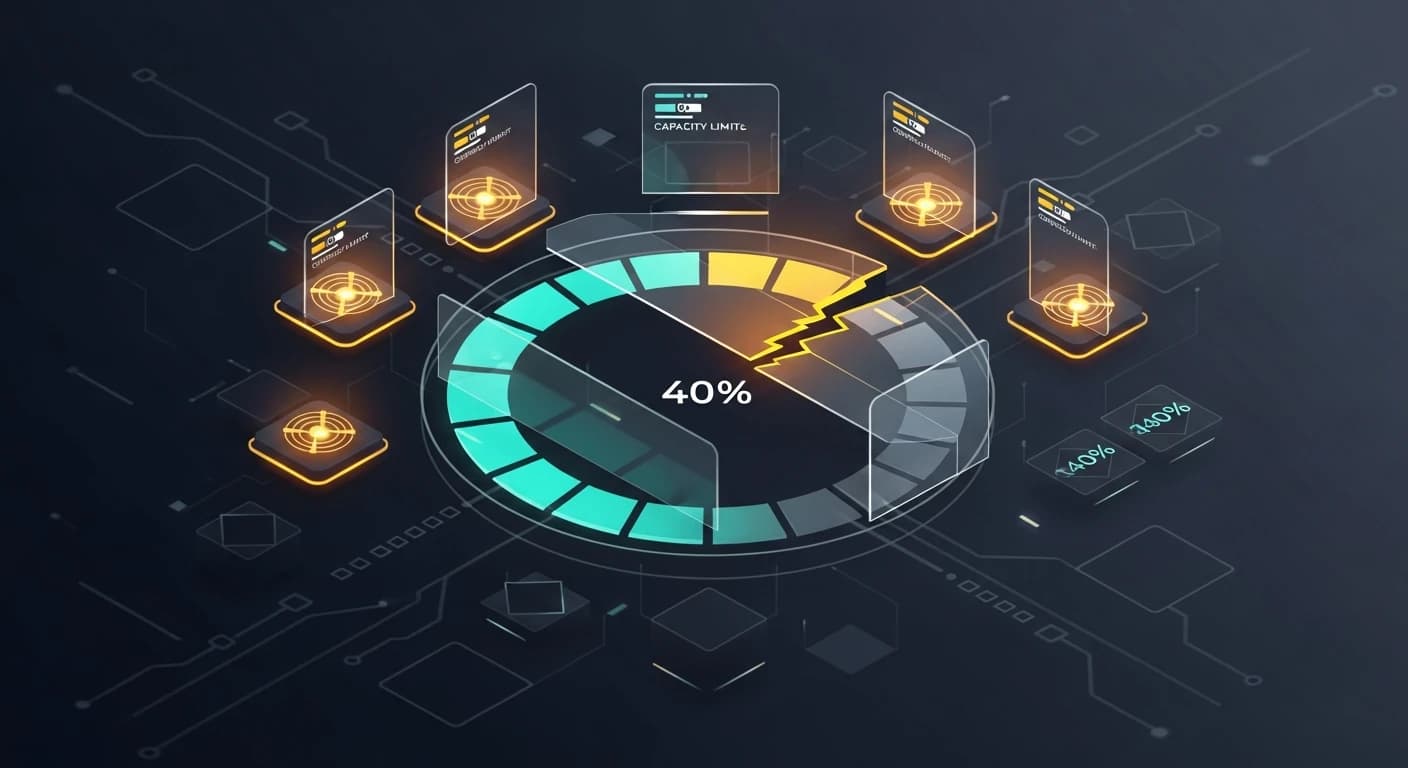
How 5-hour windows, weekly caps, and the credit system interact. Per-model breakdowns, the 40% capacity bug, and power-user strategies.
Read Explainer →Guide
Installation, hybrid CLI+IDE workflows, token efficiency comparison, and using Gemini CLI as a fallback when AG quotas run out.
Read Guide →Productivity
Ralph Loop, SuperSmooth, and the built-in Always Run setting. Set up guarded autopilot that auto-accepts safe commands while blocking destructive ones.
Read Guide →Troubleshooting
Fixes for sandbox lockout on WSL2, broken write_to_file, stuck commands on Windows, disappearing approval UI, and MCP auth failures.
Read Fix →Optimization Guide
10 proven strategies to cut token usage by 50%+. Clean gemini.md, use structured plans, route to NotebookLM, optimize MCP tool calls, and more.
Read Guide →Model Comparison
Real-world comparison of thinking depth, code quality, token costs, and when to use each model inside Antigravity IDE.
Read Comparison →Troubleshooting
Fix 503 server errors, HTTP 429 rate limits, and the BigInt crash. 8 proven solutions plus timing strategies to avoid peak hours.
Read Fix →Optimization
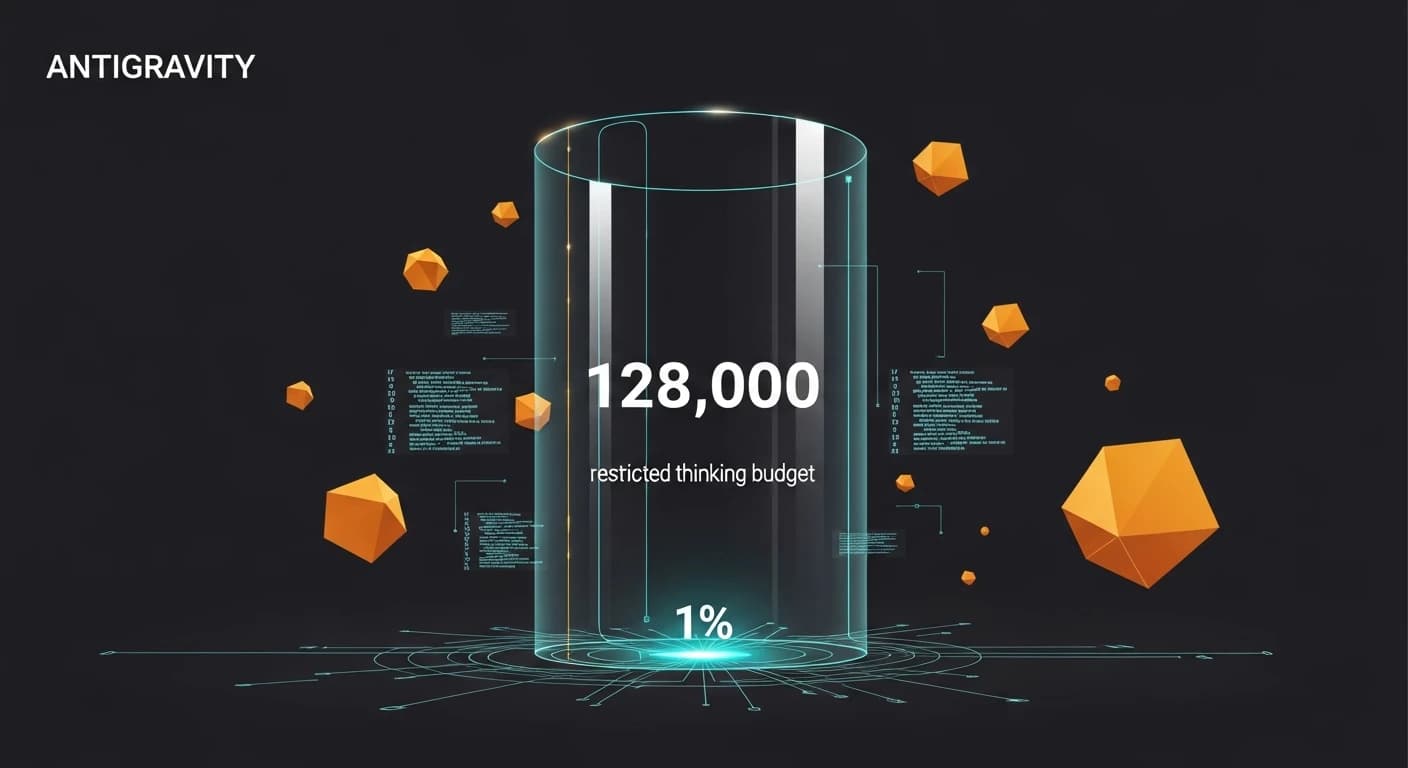
Claude Opus 4.6 gets only 1,024 of 128,000 thinking tokens in Antigravity. Learn why, how it hurts code quality, and 6 workarounds for deeper reasoning.
Read Fix →Design + Code
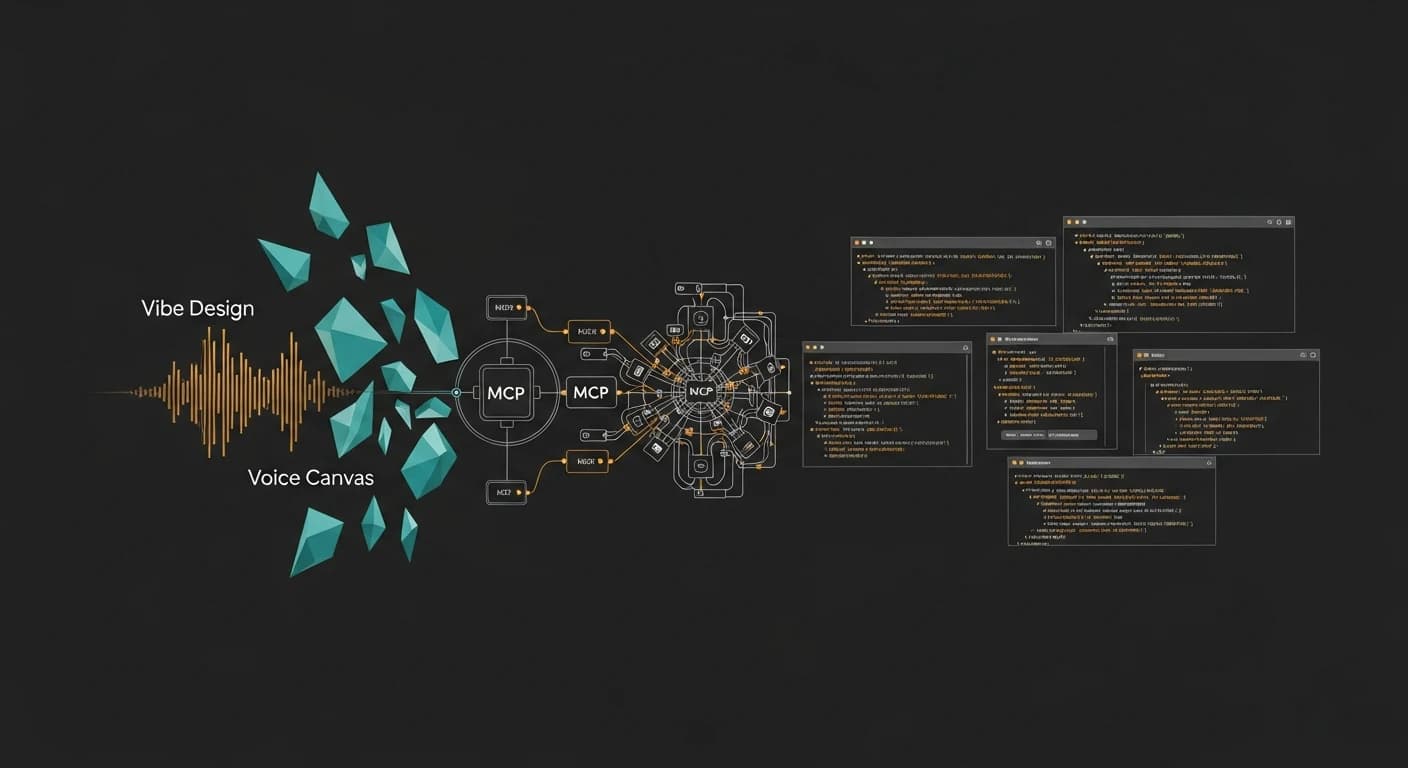
From a text prompt to a deployed app. Master DESIGN.md, Vibe Design, Voice Canvas, Stitch MCP, 7 Agent Skills, and the full design-to-production workflow.
Read Guide →Guide
Copy-paste rule templates for TypeScript, Python, React, security, testing, and more. Includes AGENTS.md and GEMINI.md examples.
Browse Rules →Troubleshooting
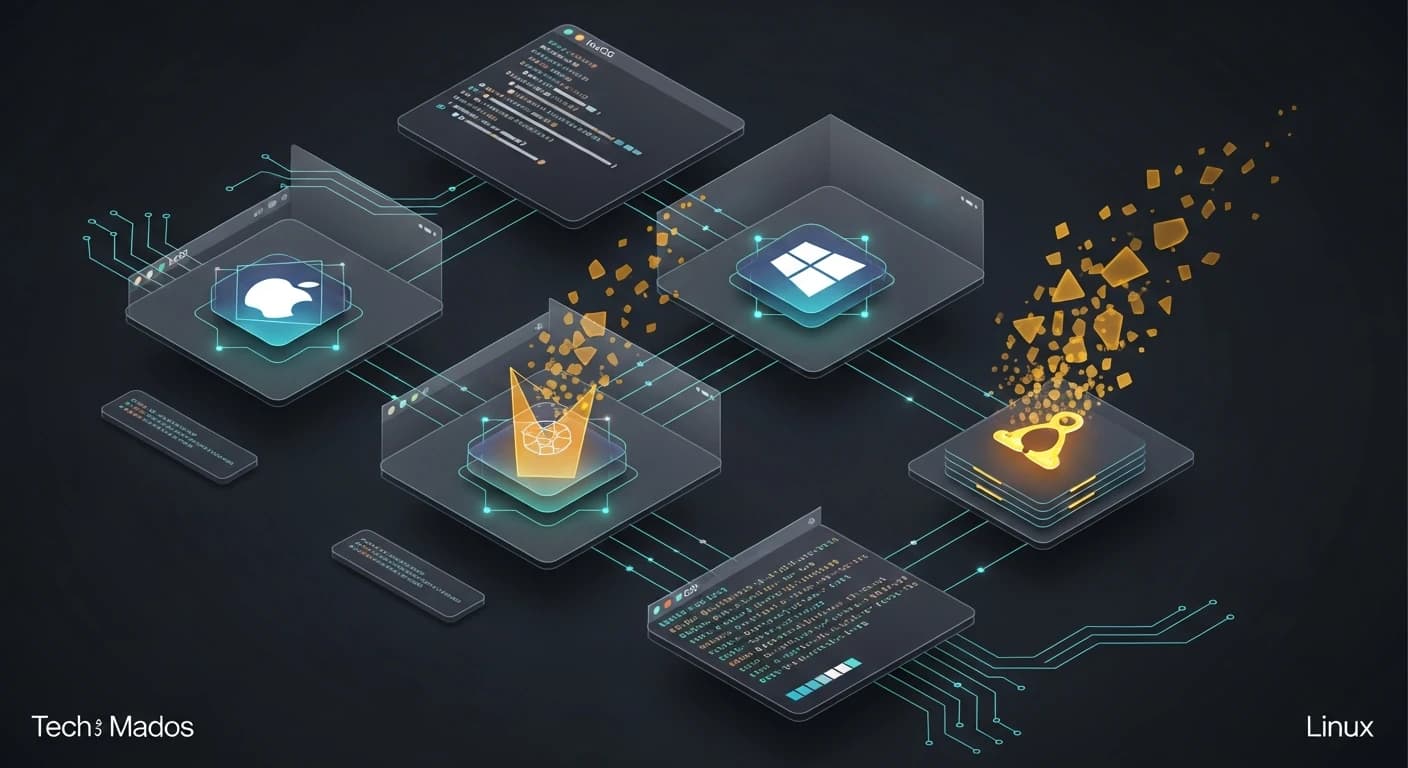
Step-by-step cache clearing for macOS, Windows, and Linux. Fix crashes, stale data, and performance issues.
Read Guide →Reference
Every keyboard shortcut, agent command, and MCP quick command in one scannable reference.
View Cheat Sheet →Guide
Completely remove Antigravity and all leftover data. Covers Homebrew, AUR, APT, and manual cleanup.
Read Guide →MCP
Connect n8n to Antigravity via MCP. Access 1,084+ nodes and 2,709 workflow templates from your AI agent.
Read Guide →Guide
Master the new AGENTS.md standard. Share rules across Antigravity, Cursor, and Claude Code with one file.
Read Guide →Troubleshooting
Antigravity frozen or stuck on generating? 10 proven fixes from force quit to complete reinstall.
Fix Now →Comparison
IDE vs CLI, Gemini 3.1 Pro vs Claude Opus 4.6, pricing, features, and which to choose for your workflow.
Read Comparison →Developer Guide
From Andrej Karpathy's viral tweet to a $4.7B market: what vibe coding is, the best tools, security risks, real stats, and how to do it professionally with Antigravity.
Read Guide →Pricing Guide
Google's new credit system decoded: $25 for 2,500 credits, 92% free-tier cuts, Pro vs Ultra breakdown, and 7 strategies to avoid surprise bills.
Read Guide →Security
Antigravity agents can execute commands, read .env files, and exfiltrate data by default. Learn the 5 critical settings to change and how to harden your setup.
Read Guide →Troubleshooting
Browser says "Successfully Authenticated" but the IDE stays stuck? Fix the login loop, auth required bug, and account bans on every OS.
Read Fix →Troubleshooting
Stuck in an update loop? Can't update on Linux? Step-by-step fix for Windows, Mac, and Linux — including the APT repository lag and cache clearing.
Read Fix →Comparison
Frustrated with quota lockouts? Compare Claude Code, Cursor, Windsurf, and GitHub Copilot — pricing, features, and which AI IDE fits your workflow.
Read Comparison →Troubleshooting
Unexpected Antigravity IDE quota usage? Learn why your quota might be gone even when inactive, after updates, or on Pro. Get solutions to manage and prevent issues.
Read Fix →Technical Guide
Learn how to give AI agents super-powers with the Agent Skills standard. A deep dive into SKILL.md, discovery, and autonomous workflows.
Read Guide →Troubleshooting
Getting a stream error when clicking Generate in Source Control? Learn why this happens and discover a powerful AI workflow workaround.
Read Fix →Guide
Never run out of AI credits mid-workflow. Learn how to use the Antigravity Cockpit to track your Gemini and Claude quota in real-time right inside VS Code.
Track Your Quota →Troubleshooting
A step-by-step visual guide to fixing the "Agent terminated" error. Start with a clean uninstall on Mac and follow our proven recovery workflow.
Read Guide →Performance
Are hardware acceleration or RAM leaks causing Antigravity to crash? Learn how to tune your system for the best AI speed and stability.
Read Fix →Troubleshooting
Diagnose missing files or a stuck agent by checking Project folders, Local vs Worktree mode, Strict Mode, and permissions safely.
Read Fix →MCP Servers
The definitive solution for MCP connection failures. Learn why absolute paths and auth cache resets are critical for custom tool development.
Read Fix →Installation
Are you stuck on "Download Interrupted" in Chrome? Learn the fail-proof manual installation method to get your browser extension working now.
Read Fix →Troubleshooting
Stuck with the "Account not eligible" error? Learn how to fix region locks, account type mismatches, and login conflicts in seconds.
Read Fix →macOS Guide
The fastest way to install and keep Antigravity updated on macOS. A complete guide to using brew cask for your AI development environment.
Read Guide →Installation Guide
Learn how to install Google's Antigravity AI IDE on Arch Linux. A complete guide for AUR (yay, paru), manual builds, and community scripts.
Read Guide →Customization Guide
Transform your development environment. Learn how to change color themes, customize icons, and install premium third-party themes in Google's Antigravity AI IDE.
Read Guide →AI News
A comprehensive guide to DeepSeek-V3.2 and V3.2-Speciale. Learn about the new architecture, gold-medal reasoning benchmarks, and how to implement it in your projects today.
Read Guide →Guide
Learn how to use Model Context Protocol (MCP) in Google AntiGravity to connect your AI agent directly to your database, cloud, and terminal. Stop the "Alt-Tab Dance" forever.
Read Guide →Showcase
A deep dive into the AI revolution. From 3D games to practical apps, see what the community is building with the power of "vibe coding". Featuring over 30 real-world examples with demos.
View Showcase →Comparison
A comprehensive comparison between Cursor IDE and Google AntiGravity. We dig deep into the architecture, benchmarks (Gemini 3 Pro vs. Claude 3.5 Sonnet), hidden features, and security implications.
Read Article →Guide
Learn how to customize your AI pair programmer. A step-by-step tutorial on Global Rules, Workspace Rules, and how to enforce your coding style.
Read Article →Tutorial
Complete step-by-step guide to changing VS Code and Antigravity's interface to Spanish, French, German, or any other supported language. Includes troubleshooting tips and best practices for multilingual development.
Read Article →Workflows
Learn how to create and customize Antigravity Workflows with this step-by-step automation guide. Discover how to automate complex tasks.
Read Article →